 AfriqueUnie
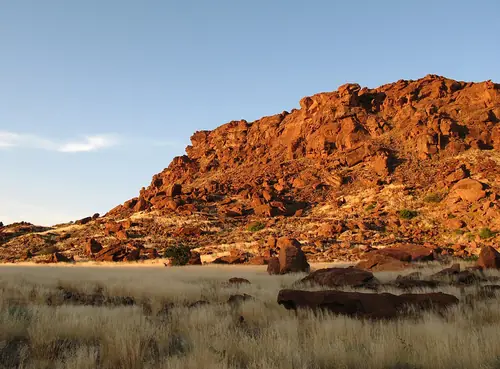
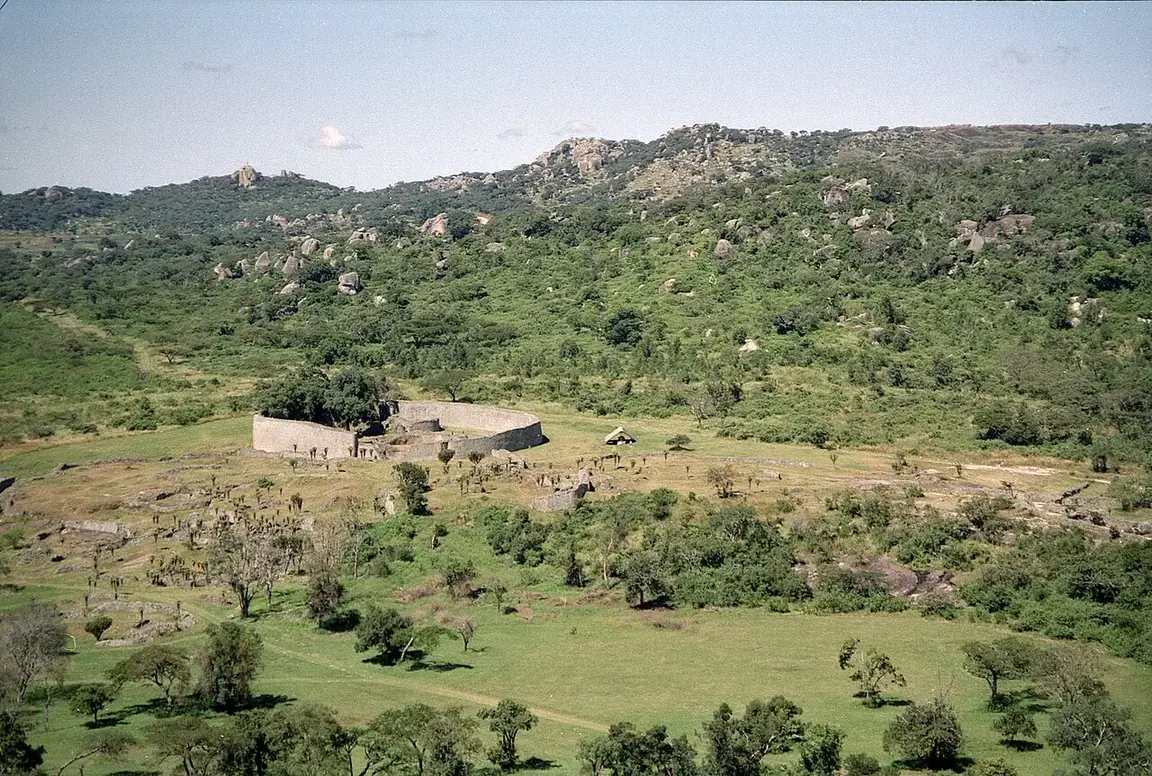 Photo: Image taken by Jan Derk in 1997 in Zimbabwe · Public domain
Published by Adama Doumbia, founder of Afrique Unie · updated 28 November 2026 · our method and sources
Why go
On a plateau in the south-east of the country, near Masvingo, stand the largest precolonial ruins in sub-Saharan Africa. Between the 11th and 15th centuries a city of several thousand people grew up here, capital of a prosperous Shona kingdom that controlled the trade in gold and ivory with the Indian Ocean coast. Glass beads and Persian and Chinese ceramics found on the site bear witness to this trade. The country's very name, Zimbabwe, means “great houses of stone” in Shona.
The site is made up of several groups of structures. The Hill Complex, perched on a rocky spur, is thought to have been the royal and religious seat. The Great Enclosure, below, impresses with its curving walls of dressed granite, assembled without mortar and several metres high, and with its mysterious conical tower. Between the two, the valley holds the traces of dwellings. The famous soapstone birds, which have become a national emblem, now adorn the country's flag; some are displayed in the site's small museum.
Getting there
The site lies about thirty kilometres from Masvingo, reached by car on a tarred road. Masvingo is about four to five hours' drive from Harare or Bulawayo. There are hotels and lodges near the site or on the shores of nearby Lake Mutirikwi, which is bordered by a small game reserve.
Frequently asked questions
How long does it take to visit Great Zimbabwe?
Allow at least half a day to see the Hill Complex, the Great Enclosure, the valley and the small museum. Enthusiasts happily spend the whole day there. Climb the hill early in the morning, before the heat: the paths are steep and include steps.
Do you need a guide to visit Great Zimbabwe?
It is strongly recommended: the site's official guides help you understand how the city was organised and the role of each area. They also explain the controversies arising from colonial interpretations of the ruins. Without them, many details go unnoticed.
Who built Great Zimbabwe?
The ancestors of the Shona, who built the city between the 11th and 15th centuries at the heart of a kingdom that traded gold and ivory with the Indian Ocean coast. During the colonial era, some attributed the ruins to peoples from elsewhere, but archaeology has shown their African origin. The site has been a UNESCO World Heritage Site since 1986.
How do you get to Great Zimbabwe?
The site is about thirty kilometres from Masvingo on a tarred road. Masvingo is roughly four to five hours' drive from Harare or Bulawayo. The French foreign ministry recommends avoiding night driving where possible, because of the state of some roads and the lack of lighting.
What is there to see around Great Zimbabwe?
Nearby Lake Mutirikwi is bordered by a small game reserve where you can see some wildlife. Staying overnight lets you enjoy the soft evening and morning light on the walls. The site fits into an itinerary between Harare, Bulawayo and the parks of the south.
 Botswana
 Lesotho
 Mozambique
 Namibia