AfriqueUnie
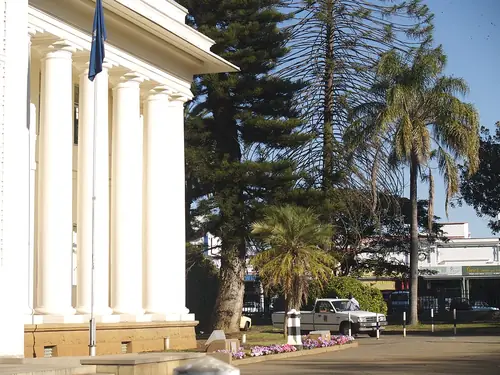
 Photo: Baynham Goredema from Johannesburg, South Africa · CC BY 2.0
Published by Adama Doumbia, founder of Afrique Unie · updated 28 November 2026 · our method and sources
Why visit Harare?
Harare is not a city you visit for its monuments, but for its atmosphere. In September and October, when the jacarandas bloom, its long avenues are covered by a mauve canopy and the pavements by a carpet of petals. The rest of the year, Zimbabwe's capital remains a green, sprawling city with a pleasant highland climate, where the residential suburbs hide behind bougainvillea hedges.
Harare's real wealth is cultural. Shona sculpture, carved from serpentine and other hard stones, has enjoyed international renown since the 1960s; you can discover it at the National Gallery of Zimbabwe, in the sculpture parks and in the workshops on the outskirts, where artists work in the open air. Music is everywhere: mbira, the thumb piano of Shona ceremonies; sungura; chimurenga, popularised by Thomas Mapfumo; and jazz in the clubs at the weekend.
To understand the lives of Harare's residents, you also need to dive into the bustle of Mbare, the oldest township, with its huge market and bus station, or wander through the Sunday craft markets.
Things to do in Harare: 6 ideas
- 01The National GalleryDiscover contemporary art and Zimbabwean sculpture in a building in the city centre.
- 02The sculpture parksMeet sculptors at work on the outskirts and see the pieces displayed in the gardens.
- 03Mbare marketPlunge, with a guide, into one of the biggest markets in the country, among second-hand clothes, spices and crafts.
- 04The Epworth balancing rocksMarvel at these improbably balanced boulders on the edge of the city.
- 05The botanic gardensStroll through the National Botanic Garden, which brings together species from all over southern Africa.
- 06A mbira concertCatch an evening of live music in a bar or cultural centre.
Where to stay in Harare
The northern suburbs, Borrowdale, Mount Pleasant, Avondale and Highlands, have most of the guesthouses set in leafy gardens, along with restaurants and shopping centres; they are quiet and popular with travellers. The Avenues, just north of the centre, are more central, with a mix of hotels and residential blocks. The city centre is lively by day and more deserted in the evening. For a more rural feel, there are lodges in the surrounding area, by lakes or in private reserves.
Frequently asked questions
How many days should you spend in Harare?
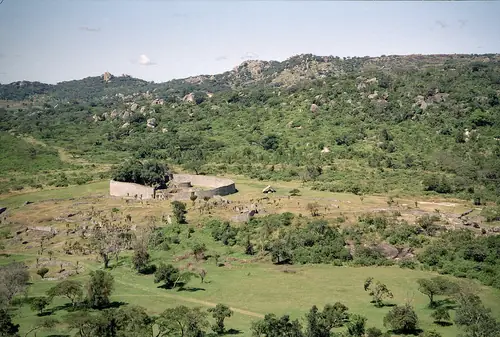
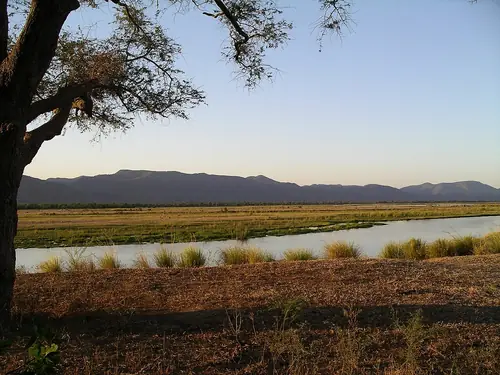
One or two days are enough for the National Gallery, a sculpture park, the botanic gardens and a craft market. Harare is often a stopover on the way to the northern parks such as Mana Pools, the Eastern Highlands or Great Zimbabwe.
How do you get from the airport to central Harare?
Robert Gabriel Mugabe International Airport is about 15 km south-east of the centre, roughly half an hour by road. Book a transfer through your accommodation or a taxi recommended by a hotel. The French government urges great care on the airport road for night flights, and the UK government reports smash-and-grab robberies at major junctions on this route, so keep doors locked and windows closed.
Is Harare safe?
Crime is generally low according to the French government, but bag snatching and pickpocketing are common in the city centre, especially after dark. Walking there in the evening is strongly discouraged, so take a taxi recommended by your hotel. Keep away from gatherings and avoid any public political statement, including online.
Can you take photos in Harare?
With care: photographing the area around State House, the president's residence guarded by soldiers, is illegal, and the surrounding roads close at night. Also refrain from photographing government buildings, soldiers and police. Always ask before photographing people.
What can you see on a day trip from Harare?
Domboshawa, about 30 km north-east, has a huge granite dome and rock paintings, beautiful in the late afternoon. Lake Chivero, to the south-west, has a game park, and the balancing rocks of Epworth are right on the edge of the city. Be back before dark: the French government advises against travelling at night.
 Zimbabwe