Zimbabwe was long one of the great safari destinations of southern Africa, until the political and economic crises of the 2000s drove travellers away. Those returning today find a country that has lost none of its charms and has gained a new one: peace and quiet. The parks are often less busy than those of its neighbours, the welcome is disarmingly kind, and Zimbabwean safari guides, trained on a programme reputed to be among the most demanding on the continent, are some of the best you will ever meet.
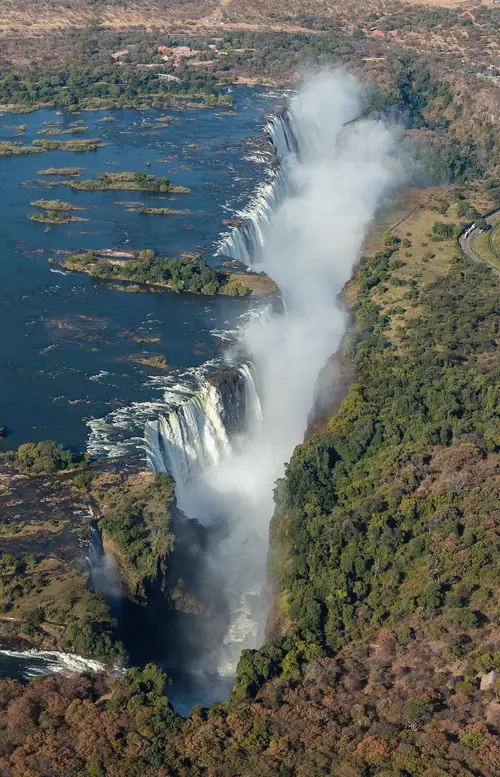
The first image is of course Victoria Falls, which the country shares with Zambia. On the Zimbabwean side you walk along the gorge facing the curtain of water, on a path through a rainforest kept alive by the spray. But reducing Zimbabwe to its falls would be to miss the point. Hwange National Park is home to huge herds of elephants; Mana Pools, on the Zambezi, is one of the few places where you can walk and paddle among big game; Lake Kariba offers sunsets over drowned trees; and the Eastern Highlands unfold in misty mountains, forests and tea plantations along the border with Mozambique.
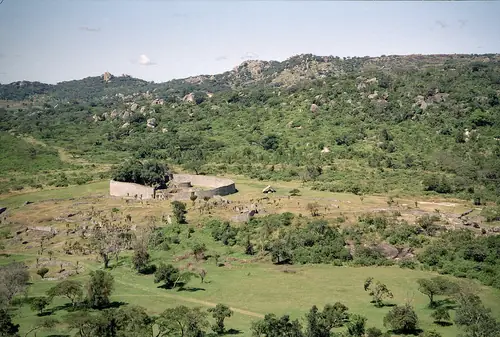
Above all, Zimbabwe has a singular historical depth. The ruins of Great Zimbabwe, a drystone city built by the ancestors of the Shona, bear witness to a civilisation that traded with the Swahili coast and beyond. The Matobo Hills, sacred jumbles of granite covered in rock paintings, shelter rhinos and historic tombs. And the arts scene, from Shona sculpture to mbira music, is a reminder that this country has a great deal to say beyond the headlines.
History and culture
Between the 11th and 15th centuries, the plateau saw the flowering of the kingdom whose capital was Great Zimbabwe, enriched by gold and ivory traded through the ports of the Indian Ocean. It was succeeded by the Mutapa Empire, then the Rozvi kingdom. In the 19th century, Mzilikazi's Ndebele settled in the south-west, around Bulawayo. In 1890 Cecil Rhodes's British South Africa Company seized the territory, which took the name Rhodesia.
In 1965 Ian Smith's white government unilaterally declared independence in order to preserve minority rule. A long liberation war led to Zimbabwe's independence on 18 April 1980. Robert Mugabe then ruled the country for almost forty years, a period marked by severe economic crises, before being ousted in 2017. The country still faces monetary and political difficulties, but tourism is well established.
8 experiences not to miss in Zimbabwe
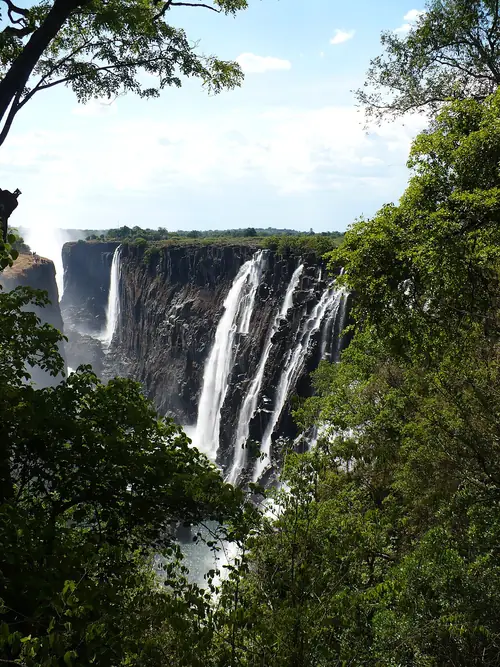
Photo : Florence Devouard · CC BY-SA 4.001The falls in high waterWalk through the rainforest facing the curtain of the falls, soaked by spray that rises hundreds of metres into the air.
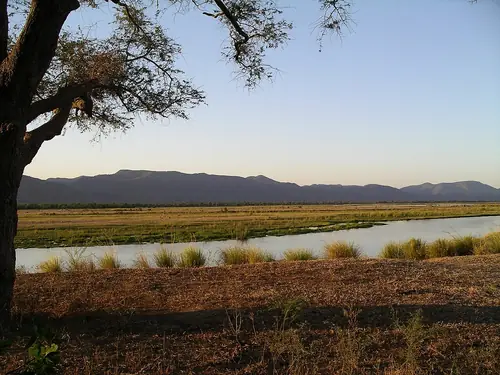
Photo : Auteur inconnu · Public domain02Canoeing at Mana PoolsPaddle down the Zambezi by canoe with a guide, steering round hippos and watching elephants drink on the bank.
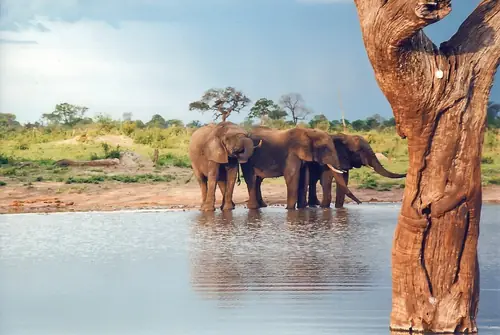
Photo : JackyR · CC BY-SA 3.003The walking safariApproach elephants on foot behind a professional guide, a Zimbabwean speciality.
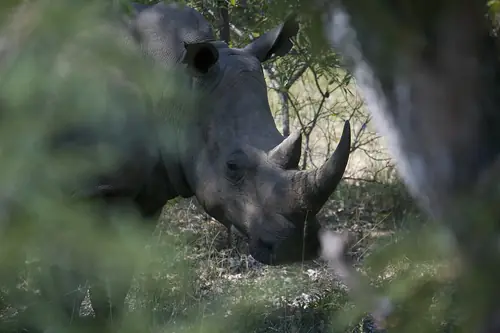
Photo : Susan Adams · CC BY-SA 2.005The rhinos of MatoboTrack white rhinos on foot among the granite hills, then discover the paintings in the rock shelters.
06Sunset over KaribaWatch the sun sink behind the lake's dead trees from a boat or a houseboat.
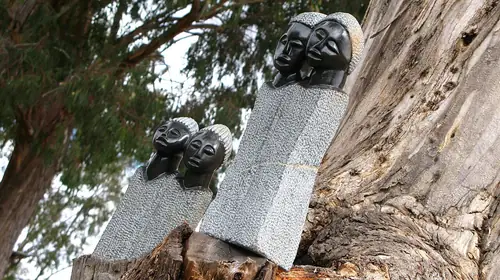
Photo : COSV · CC BY-SA 3.007Shona sculptureMeet sculptors in the workshops and sculpture parks of Harare, among works carved in serpentine.
Photo : Ton Rulkens · CC BY-SA 2.008The Eastern HighlandsHike in Nyanga National Park or the Chimanimani Mountains, among waterfalls, forests and villages.
When to go to Zimbabwe
The dry season, from May to October, is the best for safaris: the vegetation thins out and the wildlife gathers around water, especially from August to October, when the heat really builds in low-lying valleys such as Mana Pools. June and July have cool nights, even cold ones on the plateau. For Victoria Falls the calendar is reversed: the flow peaks from February to May, with spray so heavy you can barely see the cliff, and is at its lowest in October and November, although the Zimbabwean side still has water then. The rainy season, from November to March, makes some parks hard to reach, and Mana Pools partly closes.
Getting around
Domestic flights link Harare, Bulawayo, Victoria Falls and sometimes Kariba or Hwange; light aircraft serve the safari camps. On the road, you drive on the left, on tarred highways often in variable condition, with frequent police roadblocks: keep your papers in order and carry the vehicle's compulsory equipment. Fuel shortages have been common in the past, so fill up whenever you can. Long-distance buses link the main towns. As for money, the US dollar circulates widely, in small denominations, alongside the local currency, the ZiG. Bring cash, as cards are not accepted everywhere.
Etiquette and customs
Zimbabweans set great store by politeness. You greet people before anything else, asking how they are, and wait for the answer. A “Mhoro” in Shona, or “Salibonani” in Ndebele, always goes down well. To say thank you or to receive something, you can bring both hands together or hold out your right hand while supporting the wrist with your left. Avoid political discussions in public and do not photograph government buildings, soldiers or police officers. Dress is fairly conservative in town. Tipping is appreciated in the lodges, in US dollars.
Food and drink in Zimbabwe
At the heart of every meal is sadza: a firm paste of white maize meal that you roll into a ball in your right hand to soak up the sauce. It comes with nyama, meat such as beef or goat stew, or with muriwo, green vegetables sautéed with tomato and onion, sometimes thickened with peanut paste. Village chicken, firmer in texture, is highly prized. In the countryside you can try fried mopane worms, madora, and around Kariba kapenta, a small dried fish. Weekend braais are a ritual. As for drinks, maheu, made from fermented maize, and the local beers go well with street food.
The must-sees: Victoria Falls, Hwange National Park, Great Zimbabwe, Mana Pools National Park.
Which cities should I visit in Zimbabwe?
Victoria Falls, Harare, Bulawayo. The capital is Harare.
How much should I budget for a trip to Zimbabwe?
Mid-range: around €60–120 per person per day, excluding flights. This is only a guide and depends above all on the accommodation and activities you choose.
What currency and languages are used in Zimbabwe?
Currency: US dollar (USD) and ZiG. Languages: English, Shona, Ndebele.
How do I get to Zimbabwe?
The main international airport has the code VFA. Compare flights with the ‘Flights’ button on this page.
Do I need a visa to visit Zimbabwe?
Entry requirements depend on your nationality and change regularly. Check them on the country's official website or with your foreign ministry before booking, and make sure your passport is valid.
What should I eat in Zimbabwe?
Dishes to try while you're there: Sadza, nyama, muriwo.
Domestic flights link Harare, Bulawayo and Victoria Falls, notably with Air Zimbabwe and Fastjet. The overnight Bulawayo–Victoria Falls train resumed in late 2025 with a few departures a week, but check its schedule locally. Long-distance buses connect the main cities, and kombis (minibuses) cover short trips. Renting a car works well here, though it is best to avoid driving at night; traffic drives on the left.
Health and safety
Yellow fever
Certificate required only if you arrive from, or transited through, a country with a risk of yellow fever (from 9 months, incl. airport transits over 12 h); vaccine generally not recommended.
Malaria
Present throughout the country: ask a doctor about preventive medication and protect yourself from mosquitoes.
Water and food
Unless your accommodation says otherwise, drink sealed bottled or filtered water, and wash your hands often.
Sources: France Diplomatie, Viaggiare Sicuri, Belgian Foreign Affairs, GOV.UK, checked in November 2026. All 54 countries
Entry requirements (visas, vaccinations) and security conditions change regularly: check them with the official authorities before booking. Official tourism website: Zimbabwe Tourism Authority.
Affiliate cookiesWe would like to load a script from our partner Travelpayouts. It may set cookies so that we receive a commission when you book through our links, at no extra cost to you. If you decline, the site works in exactly the same way. Find out more
 AfriqueUnie
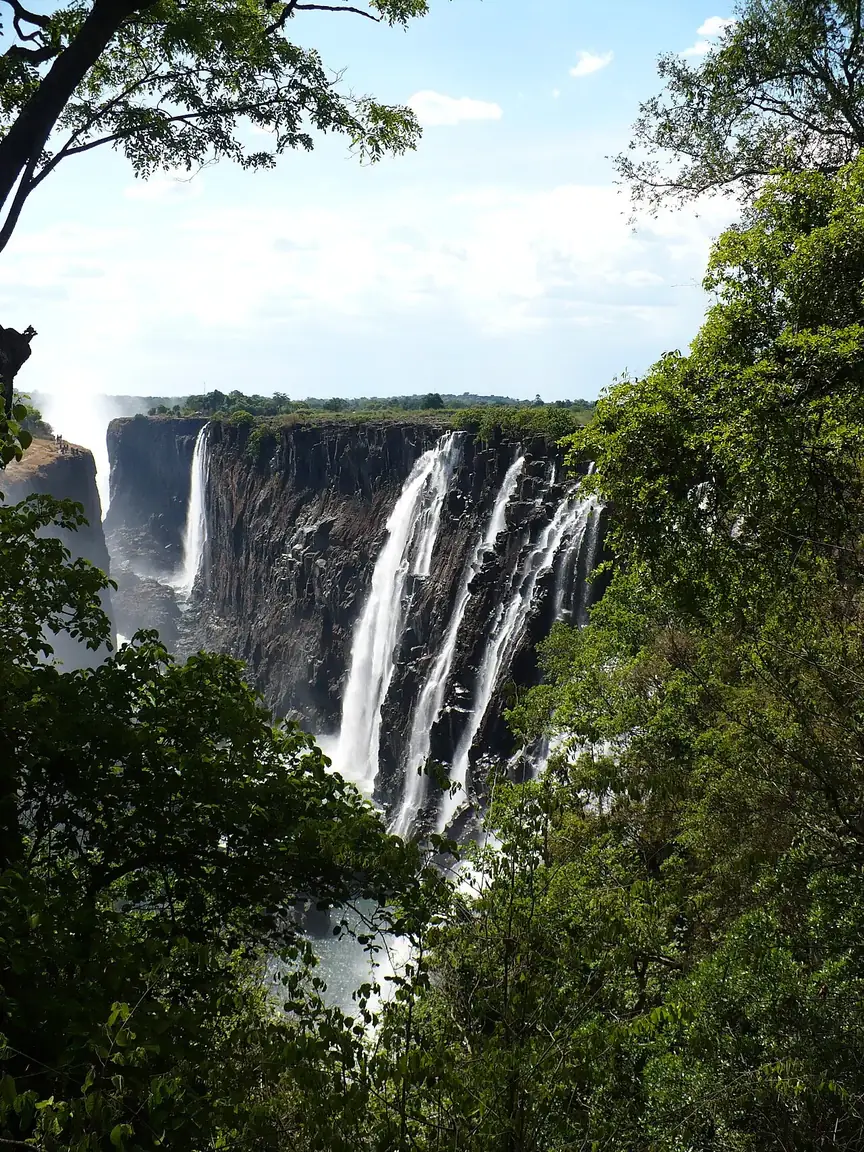 Photo: Florence Devouard · CC BY-SA 4.0
 Zimbabwe
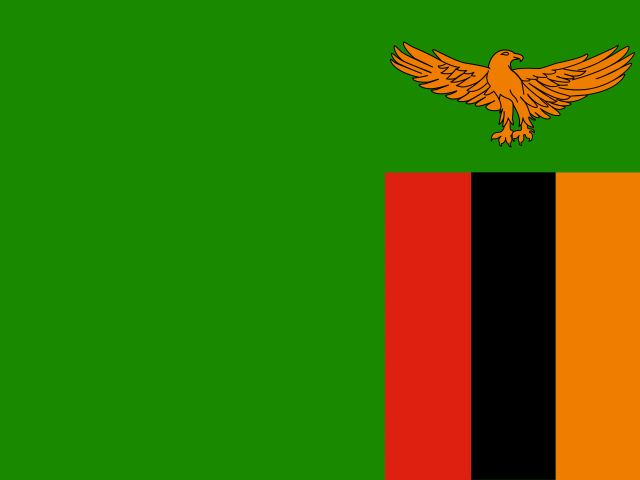 Zimbabwe or Zambia
 Botswana
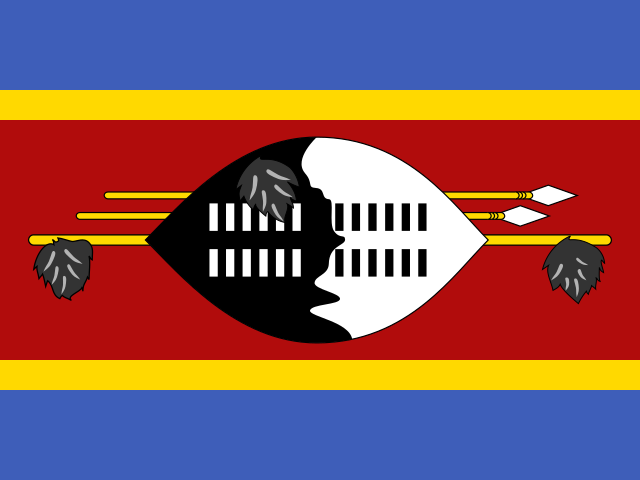 Eswatini
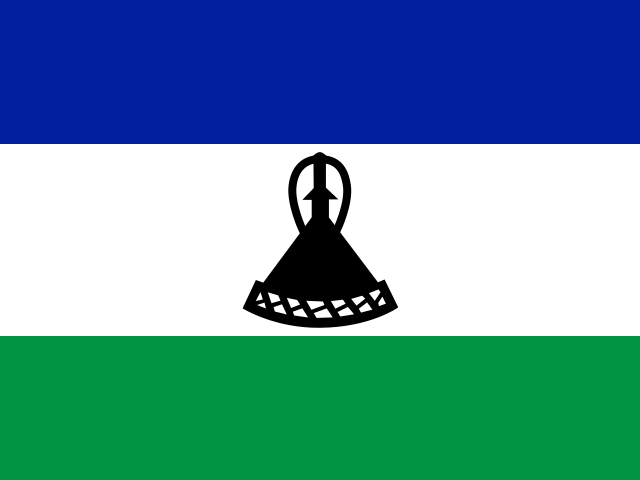 Lesotho
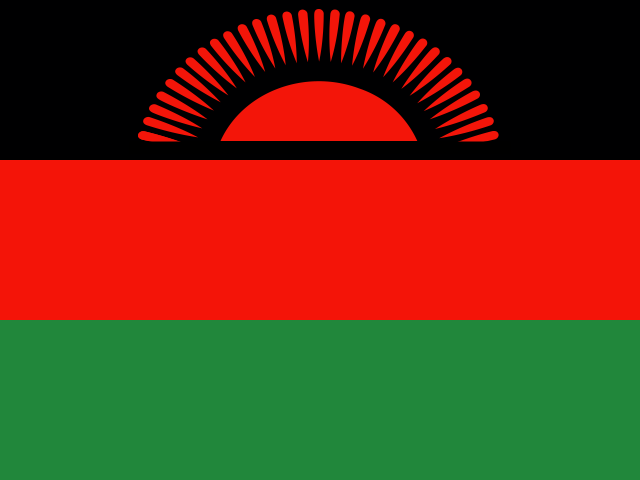 Malawi
 Mozambique
 Namibia
 South Africa