 AfriqueUnie
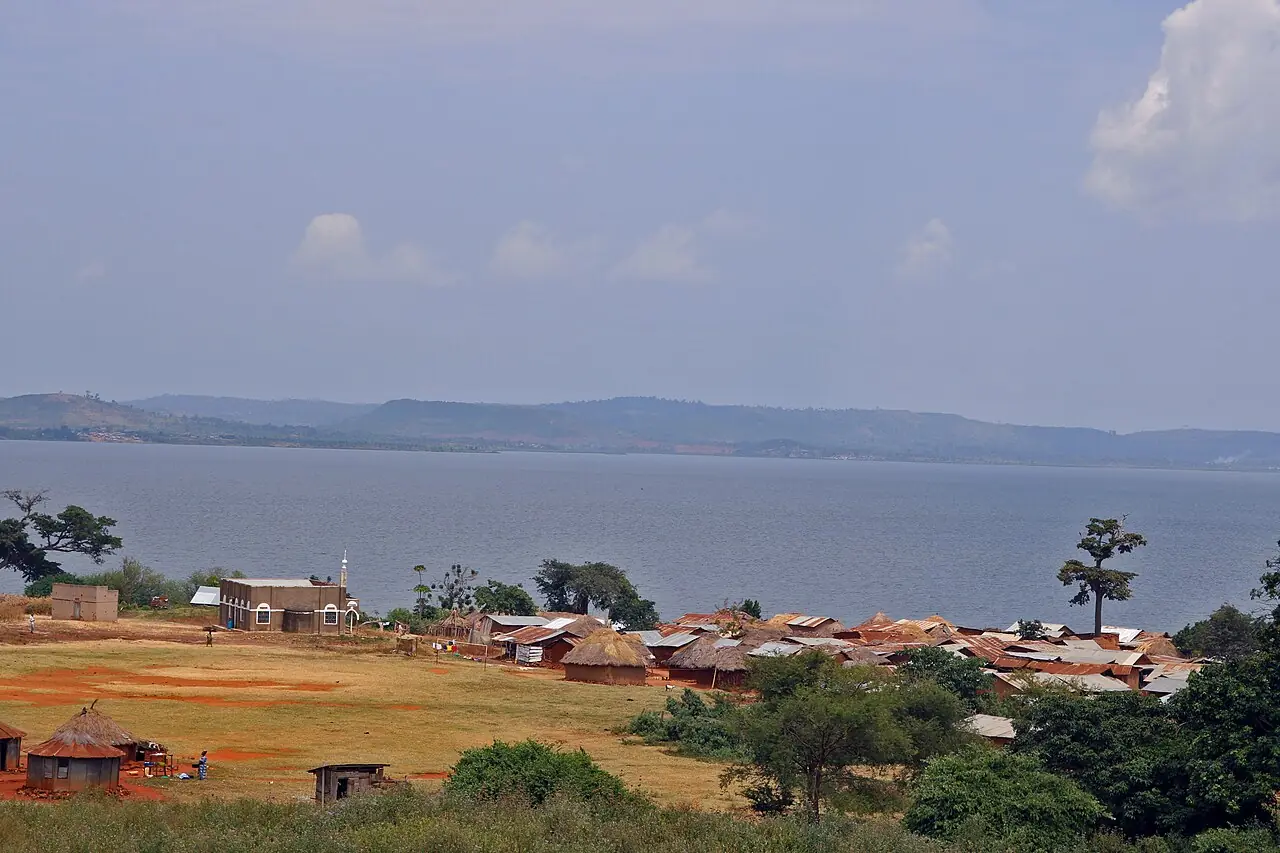 Photo: Chapelle musa · CC BY-SA 4.0
Published by Adama Doumbia, founder of Afrique Unie · updated 28 November 2026 · our method and sources
Why go
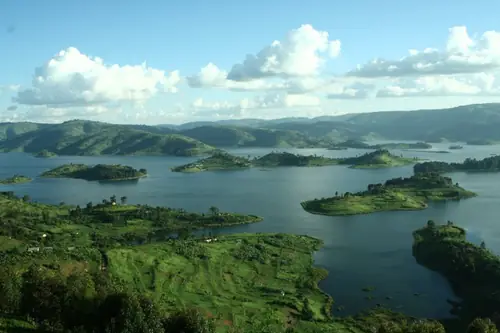
Lake Victoria is Africa's largest lake, the world's largest tropical lake and the second-largest freshwater lake on the planet by surface area, after Lake Superior in North America. Shared by Tanzania, Uganda and Kenya, it lies at around 1,130 metres above sea level, straddling the equator. The Baganda call it Nnalubaale; the British explorer John Hanning Speke, the first European to reach it in 1858, named it after Queen Victoria. Its only outflow is the Nile, which leaves the lake near Jinja to begin its long journey to the Mediterranean.
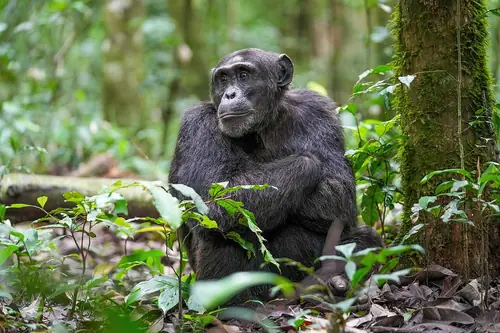
On the Ugandan side, Entebbe is the natural gateway to the lake. Once the seat of the colonial administration, the town spreads across a leafy peninsula, with botanical gardens laid out in 1898 and the Uganda Wildlife Conservation Education Centre (UWEC), founded in 1952 to care for injured or confiscated animals. Offshore, Ngamba Island has been home since 1998 to a sanctuary for orphaned chimpanzees, reached by boat. North-west of Entebbe, the Mabamba Bay wetland, a Ramsar site since 2006, has recorded more than 300 bird species, including the rare shoebill, which you search for by canoe among the papyrus.
Further south-west, the Ssese archipelago is made up of 84 islands, about half of them inhabited. The largest, Bugala, is served by ferries and is home to the small town of Kalangala, sandy beaches and forests where vervet monkeys, hornbills and kingfishers live, while fish eagles soar over the bays. For the Baganda, these are the “islands of the gods”: the kings of Buganda once came here to honour the spirits, including Mukasa, the spirit of the lake, revered on Bubembe Island. Today, life revolves around Nile perch fishing and oil palm plantations, at a far slower pace than on the mainland.
Getting there
Entebbe lies about 35 kilometres south-west of Kampala, around an hour's drive on the Kampala-Entebbe Expressway depending on traffic, and is home to the country's main international airport. For the Ssese Islands, a ferry links Nakiwogo port in Entebbe with Bugala Island in about three and a half hours; timetables change often, so check them before you go. From the west, a free car ferry crosses in thirty minutes to an hour, depending on the vessel, between Bukakata, about 36 kilometres from Masaka, and Luku on Bugala. Ngamba and Mabamba Bay are reached by boat or road from Entebbe, usually as a half-day excursion.
Frequently asked questions
Can you swim in Lake Victoria?
It is not advisable. Bilharzia, a parasitic disease transmitted through fresh water, is present in the lake, and travel health advice is to avoid prolonged contact with fresh water in Uganda. The lake is also home to Nile crocodiles and hippos. Enjoy the beaches for the scenery and use a swimming pool for a swim.
How do you get to the Ssese Islands?
The easiest option is the ferry from Nakiwogo in Entebbe to Bugala Island; the crossing takes about three and a half hours. From the west of the country, a free car ferry links Bukakata, near Masaka, with Luku on Bugala in thirty minutes to an hour depending on the vessel, so you can take a vehicle across. On the island, shared taxis and motorbike taxis get you around.
Where can you see shoebills near Entebbe?
In the Mabamba Bay wetland, north-west of Entebbe, listed as a Ramsar wetland of international importance since 2006. You explore it by canoe with a local guide through the papyrus, ideally early in the morning. Sightings are never guaranteed, but more than 300 bird species have been recorded there, including the papyrus gonolek.
How long should you spend on Lake Victoria?
One day is enough for Entebbe, its botanical gardens and the wildlife centre, plus another half-day for the Ngamba chimpanzee island or the Mabamba wetland. For the Ssese Islands, allow at least two nights, as the crossing takes time. Entebbe is ideal for a first or last night, close to the airport.
When is the best time to visit Lake Victoria?
The lake can be visited all year round. The driest months, from December to February and from June to August, are the most pleasant for crossings and birdwatching. During the rainy seasons, from March to May and from September to November, storms are frequent and the lake can get rough, so avoid small boats in the afternoon.
 Burundi
 Djibouti
 Kenya