 AfriqueUnie
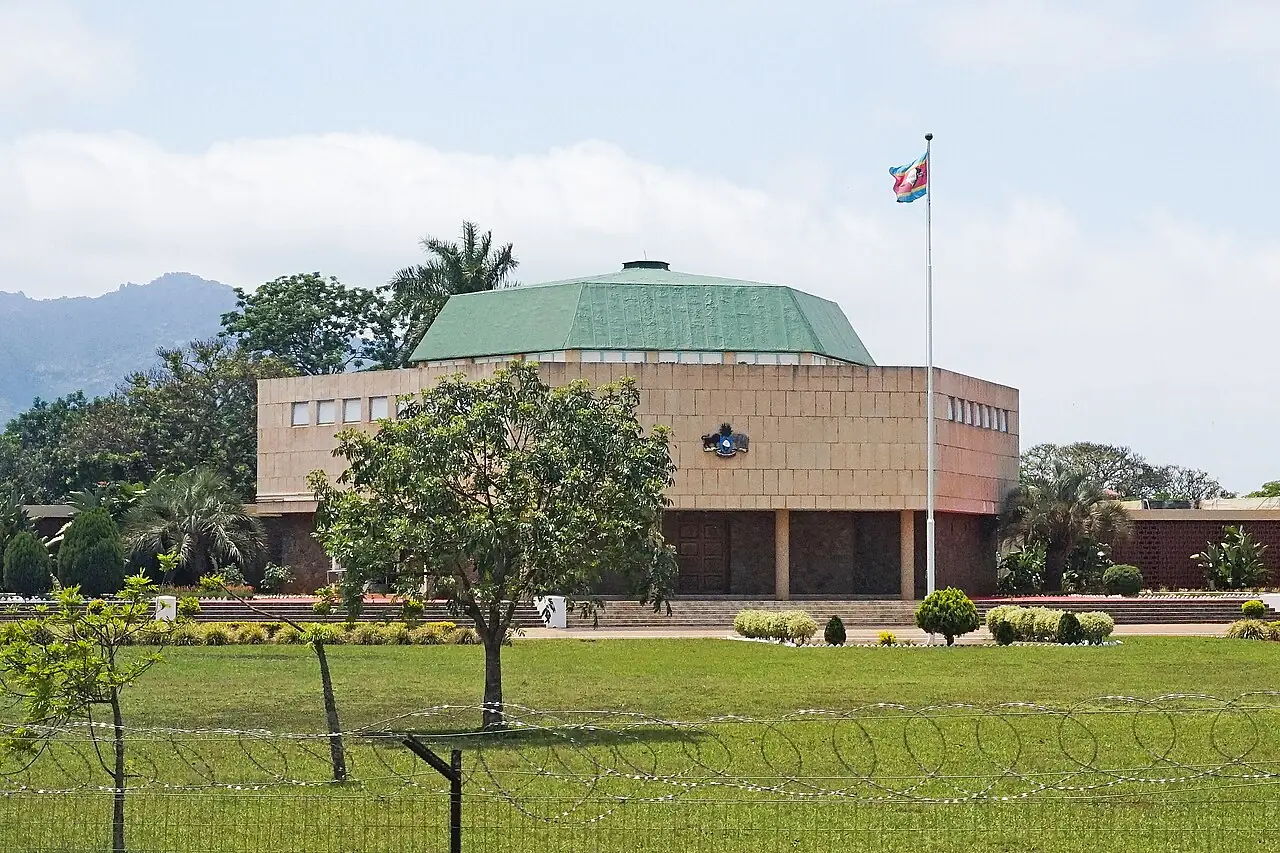 Photo: Bernard Gagnon · CC BY-SA 4.0
Published by Adama Doumbia, founder of Afrique Unie · updated 28 November 2026 · our method and sources
What to expect
Umhlanga is one of the largest traditional ceremonies in southern Africa. For about eight days, tens of thousands of unmarried young women from all over the kingdom set out to cut reeds in the valleys, then carry them to the royal residence of Ludzidzini, in Lobamba, to repair the Queen Mother's enclosure. The ritual celebrates youth, national unity and the bond between the people and the royal family.
The last two days are the most spectacular. The participants parade in groups, dressed in beaded skirts, brightly coloured sashes and woollen pompoms, singing and dancing, while the King and the Queen Mother watch the procession. The collective energy, the music and the sheer size of the crowd leave a lasting memory.
Frequently asked questions
When is Umhlanga in 2027?
The 2027 dates are not known yet: they are set by the traditional calendar and announced a few weeks ahead, for a ceremony held in late August or early September. In 2026 it ran from 25 to 31 August, with the main dance on the 31st. Build in flexibility and watch the kingdom's official announcements.
Can tourists attend the Reed Dance?
Yes, visitors can attend the final, most spectacular days, when the young women parade before the King and the Queen Mother. They must stay out of the restricted areas and follow the rules, especially on photography. Modest dress is expected.
Where is Umhlanga held and how do I get there?
The ceremony takes place at Ludzidzini Royal Village in Lobamba, in the Ezulwini Valley between Mbabane and Manzini. The simplest option is to stay in the valley and drive there by day. French official advice warns against driving at night in Eswatini because of accidents and violent carjackings on the main roads.
What should I bring to Umhlanga?
Bring water, a hat and sunscreen, as there is a long wait in the sun before the first groups arrive. Get there early to find a spot. Carry few valuables in the crowd.
What is there to see in Lobamba and the Ezulwini Valley?
Lobamba is home to the Eswatini National Museum and the King Sobhuza II Memorial Park, both helpful for understanding the Swazi monarchy. The Ezulwini Valley also has the Mantenga Cultural Village, with its waterfall, and the Mlilwane sanctuary, ideal for a walk among antelope and zebra.
Dates vary from year to year: confirm them with the organisers before booking.
 Eswatini
 Ghana