AfriqueUnie
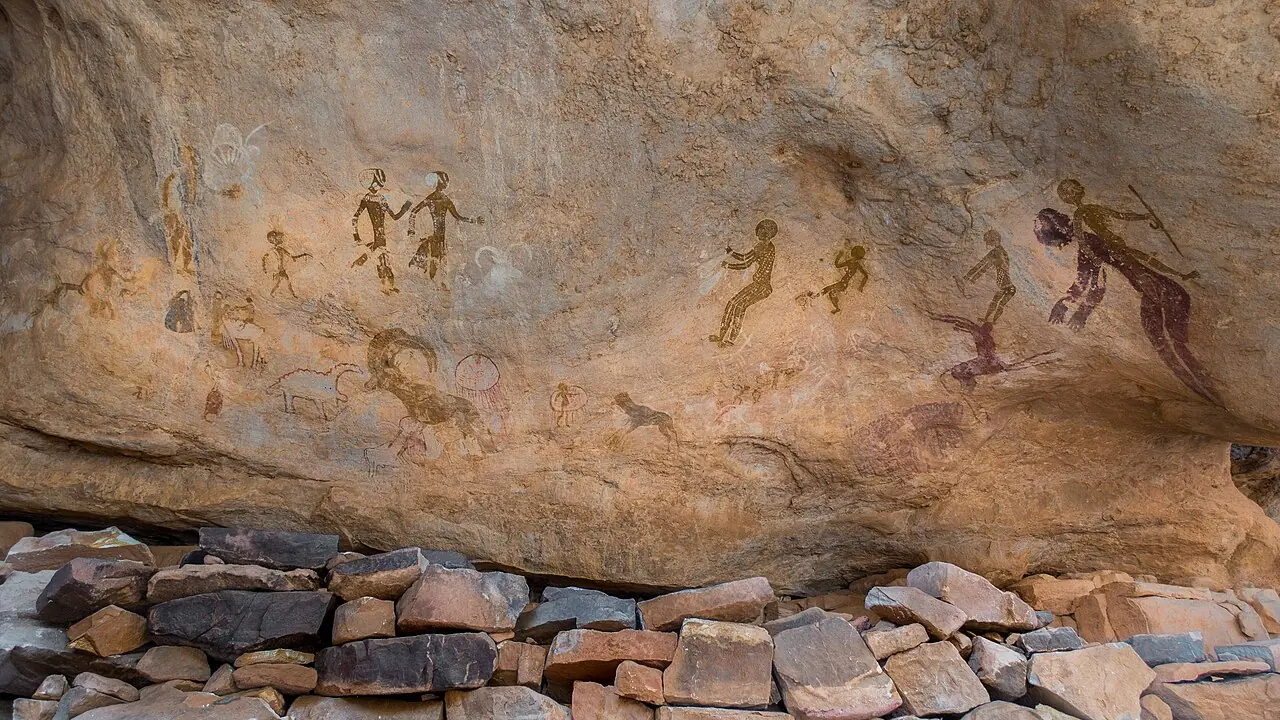 Photo: IssamBarhoumi · CC BY-SA 4.0
Published by Adama Doumbia, founder of Afrique Unie · updated 28 November 2026 · our method and sources
What to know before you choose
There are two very different ways to visit Algeria. The north, with Algiers, Oran, Constantine, Kabylia and the great Roman sites, can be explored independently by train, plane or with a driver. The Deep South, with the Tassili n'Ajjer, the Hoggar or the Gourara oases, can only be visited with an approved agency and a guide: the French foreign ministry says it is not possible to travel without a guide in the Algerian Sahara.
The two trips are planned differently and suit different seasons. The north is pleasant in spring and autumn, the Sahara from October to April. On a first visit many travellers choose one or the other; you can combine both in two weeks, provided you plan domestic flights and the right visa.
2027 also brings a rare event: the total solar eclipse of 2 August 2027 will cross the north of the country, with about 5 minutes 8 seconds of totality in Oran. Details are in our eclipse guide.
Visa: the two ways into Algeria
Information checked in November 2026, based on the French foreign ministry's Algeria page (updated in September 2026) and the UK government's Algeria travel advice. These rules can change: read the official sources again before you travel.
A consular visa is the rule. French, other European, British, Swiss and Canadian nationals need a visa before they travel, from the Algerian consulate covering their place of residence. There is no e-visa for an ordinary tourist trip. It is the only visa that lets you travel freely in the north.
The visa on arrival is reserved for organised Saharan tourism. According to the French foreign ministry, it is issued for up to 30 days to tourists travelling with an approved agency whose programme includes at least one southern province, such as Djanet, Tamanrasset, Illizi, Timimoun, Ghardaïa, Adrar or Béchar. The agency files the application and sends you a boarding authorisation with a QR code; the fee is paid on arrival. This visa is tied to the agency's tour: if you want to add a few independent days in the north, ask the agency in writing what your visa allows, or apply through the consulate.
The UK government requires a passport valid for at least six months after the date you arrive: allow the same margin whatever your nationality. Details of the paperwork, money and health are in our budget and entry requirements guide.
Where to go and where not to go: official travel advice
The French foreign ministry classes Algeria's border areas as formally advised against: the borders with Libya, Niger, Mali and Mauritania, and part of the Tunisian border. The UK government advises against all travel within 30 km of the borders with Libya, Niger, Mali and Mauritania and along certain stretches of the Tunisian border, and against all but essential travel to the rest of that 30 km strip along the border with Tunisia.
We do not recommend any place or route in these areas. Tours of the Tassili and the Hoggar are run by approved agencies in liaison with the authorities, who may impose a route, an escort or restrictions: follow their instructions and never stray from the agreed programme.
In the north, Algiers and Oran are rated normal vigilance by the French foreign ministry. As anywhere, avoid demonstrations, carry a copy of your passport and do not photograph official buildings, soldiers or police. Check the French map and the UK page just before you leave, as ratings change.
What to see in the north: cities and ancient sites
Northern Algeria is home to most of the population, more than a thousand kilometres of coastline and an exceptionally rich ancient heritage. You can explore it independently, without an agency, on a consular visa.
- Algiers: The Casbah, a World Heritage Site, with its Ottoman palaces and stairways, the bay, the Jardin d'Essai botanical garden and the museums of the white city.
- Tipasa: Roman ruins by the sea among the pines, about an hour from Algiers; a World Heritage Site.
- Constantine: The city of bridges suspended over the Rhumel gorge, with the Bey's palace and the medina.
- Djemila and Timgad: Two of the best-preserved Roman cities in the world, both World Heritage Sites, on the high plains and at the foot of the Aurès.
- Oran: The great city of the west and birthplace of raï, with its seafront, the Santa Cruz fort and lively neighbourhoods.
- Kabylia: The Djurdjura mountains, hilltop villages, olive groves and a rugged coast around Béjaïa, a few hours from Algiers.
What to see in the Deep South: the Sahara with an agency
The Sahara covers most of the country. You travel in a small group or privately with an approved agency, a guide, a driver and often a cook, by 4x4 or on foot, camping under the stars. Domestic flights from Algiers serve Djanet, Tamanrasset, Ghardaïa and Timimoun.
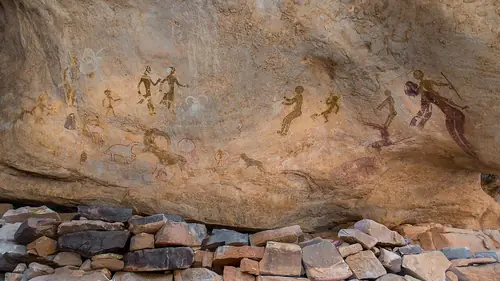
- Tassili n'Ajjer: Around Djanet, sculpted sandstone plateaus, dunes and thousands of rock paintings and engravings: a mixed natural and cultural World Heritage Site.
- Hoggar and Assekrem: From Tamanrasset, volcanic mountains and sunrise or sunset from the Assekrem, near Charles de Foucauld's hermitage.
- M'zab Valley: Ghardaïa and the Ibadite towns of the pentapolis, a masterpiece of Saharan town planning and a World Heritage Site, best visited with a local guide.
- Timimoun and the Gourara: The red oasis, with its mud-brick ksour, palm groves and foggaras, underground irrigation channels.
When to go to Algeria
For the north, spring, from March to May, is the best season: green countryside, mild temperatures and flowers among the ancient ruins. October and November are also pleasant. Summer is hot on the coast, which is busy with Algerian holidaymakers, and scorching inland.
For the Sahara, the season runs from October to April: hot, bright days and cool nights, sometimes cold in December and January, especially in the Hoggar. In summer the heat is extreme and most tours stop. Ramadan changes the pace of daily life: shorter opening hours, restaurants closed during the day and lively evenings.
How many days and which routes
- A week in the north: Algiers and Tipasa, then Constantine, with a day trip to Djemila and, if possible, Timgad.
- Eight to ten days in the Sahara: A tour with an approved agency around Djanet and the Tassili n'Ajjer, or around Tamanrasset and the Hoggar, with a few nights camping.
- Two weeks to combine both: The north and one Saharan region, linked by a domestic flight; our 14-day itinerary gives a day-by-day example. Make sure your visa covers both parts of the trip.
On the ground: good habits
- Getting around: For long distances, the French foreign ministry advises flying rather than driving. Between northern cities, trains and buses are convenient; avoid the roads at night.
- Money: Algeria runs mostly on cash: bring euros to change at banks and approved bureaux, and keep the receipts.
- Photos and equipment: Drones, and even GPS units or binoculars, require very restrictive permits according to the French foreign ministry. Do not photograph sensitive sites.
- Social media: If you plan to publish online, the French foreign ministry advises declaring it when you apply for your visa, even if it is not professional.
- Dress and customs: Covered-up clothing is appreciated away from the beach; say hello before asking anything, and accept the tea or coffee you are offered.
Further reading
- Algeria: our country guide, with its cities, places, food and customs
- Algeria: budget and paperwork: daily budget, dinars and cash, visa, health
- When to go to Algeria: the weather month by month
- Algeria in 14 days: a day-by-day itinerary from the north to the Sahara
- Algiers
- Constantine
- Oran
- Timgad
- Tassili n'Ajjer
- Hoggar and Tamanrasset
- M'zab Valley
- Total solar eclipse of 2 August 2027: where to see it in Algeria and elsewhere in Africa