AfriqueUnie
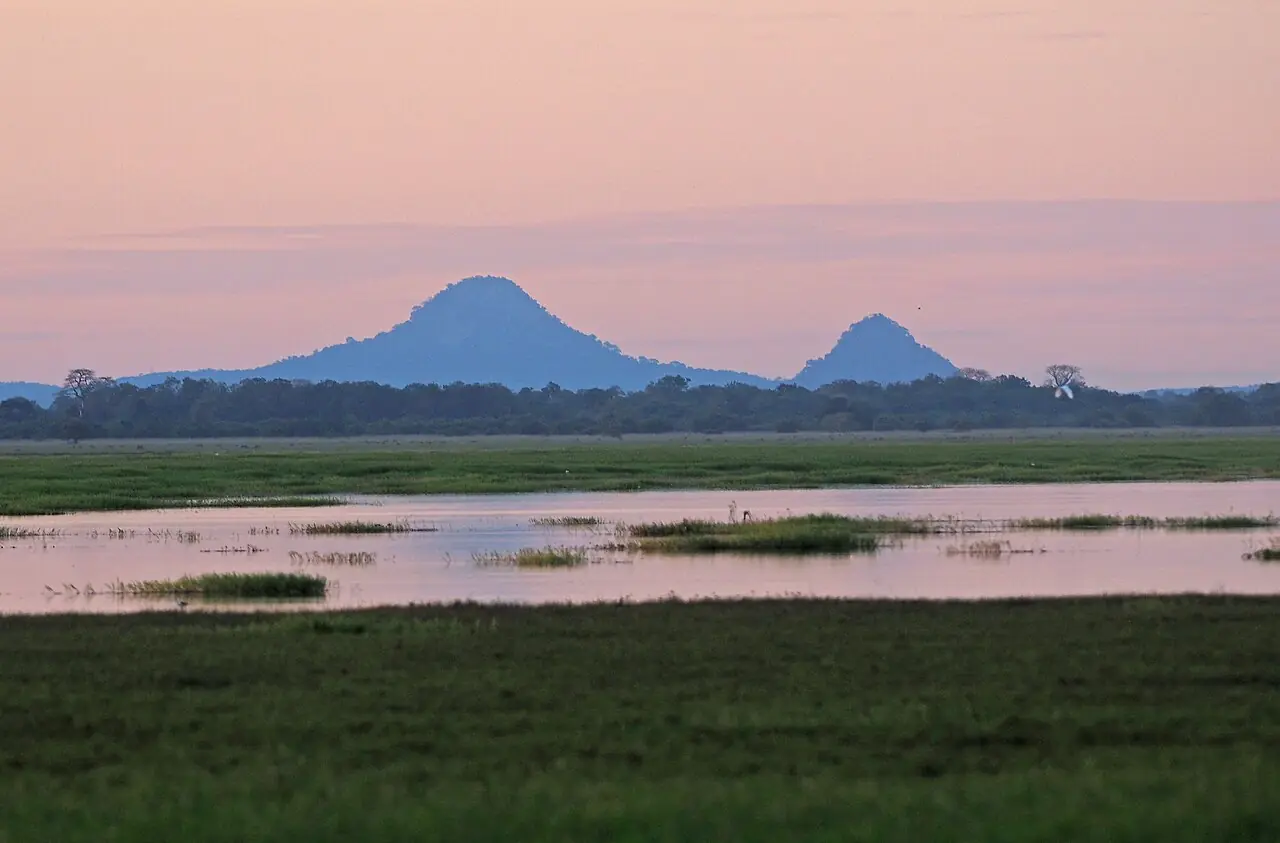 Photo: Judy Gallagher · CC BY 2.0
Published by Adama Doumbia, founder of Afrique Unie · updated 28 November 2026 · our method and sources
Why go
In central Mozambique, at the southern end of Africa's Great Rift Valley, Gorongosa was, in the 1960s and 1970s, one of the most famous parks in Africa, renowned for its lions and its great concentrations of animals. The civil war devastated it: the vast majority of its wildlife disappeared, shot for meat or ivory. Since the early 2000s, an ambitious restoration project, run as a partnership between the Mozambican government and a private foundation, has brought about a spectacular revival.
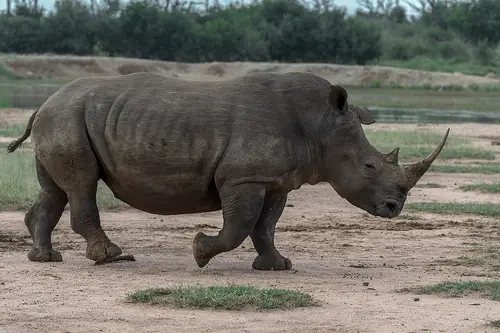
Herbivore populations have risen sharply, lions are back and wild dogs have been reintroduced. The park now combines conservation, scientific research and development for the neighbouring communities: schools, health centres, farming programmes and shade-grown coffee on the slopes of Mount Gorongosa. The landscapes are varied: floodplains around Lake Urema, forests, savannahs and gorges. You can see elephants, hippos, buffalo, antelope and exceptional birdlife.
Getting there
The park lies about four hours' drive from Beira, which has an airport. The main camp, Chitengo, welcomes visitors, and a few lodges are located in or near the park. Transfers can be arranged through your accommodation.
Frequently asked questions
When is the best time to visit Gorongosa National Park?
The best period is May to November, during the dry season, when the tracks are passable and wildlife is easier to spot. During the rainy season, the park usually closes to tourism from mid-December to the end of March, and some tracks may stay closed after it reopens, so check opening dates before booking.
How do you get to Gorongosa from Beira?
Allow around four hours by road from Beira, which has an airport, to Chitengo Camp. Accommodation providers can arrange transfers. Drive only by day, as official advice strongly recommends avoiding night driving outside towns in Mozambique.
Can you see lions and elephants in Gorongosa?
Yes, lions are back and elephants are well established, along with hippos, buffalo and large herds of antelope. Wild dogs have also been reintroduced. As in any park, sightings are never guaranteed, so several game drives improve your chances.
Is Gorongosa National Park safe?
Sofala Province is among the areas where France Diplomatie asks for heightened vigilance, with no stricter classification. The main risks reported are on the roads, as well as kidnappings for ransom in large cities such as Beira, which have not so far targeted tourists but cannot be ruled out. In the park, follow the guides' instructions around wild animals.
How long should you stay in Gorongosa?
Allow at least three nights to combine game drives with a look at the conservation and community development programmes. These visits, every bit as fascinating as the safaris, can be booked on site or through your accommodation. Take malaria precautions and pack insect repellent.
 Botswana
 Eswatini