AfriqueUnie
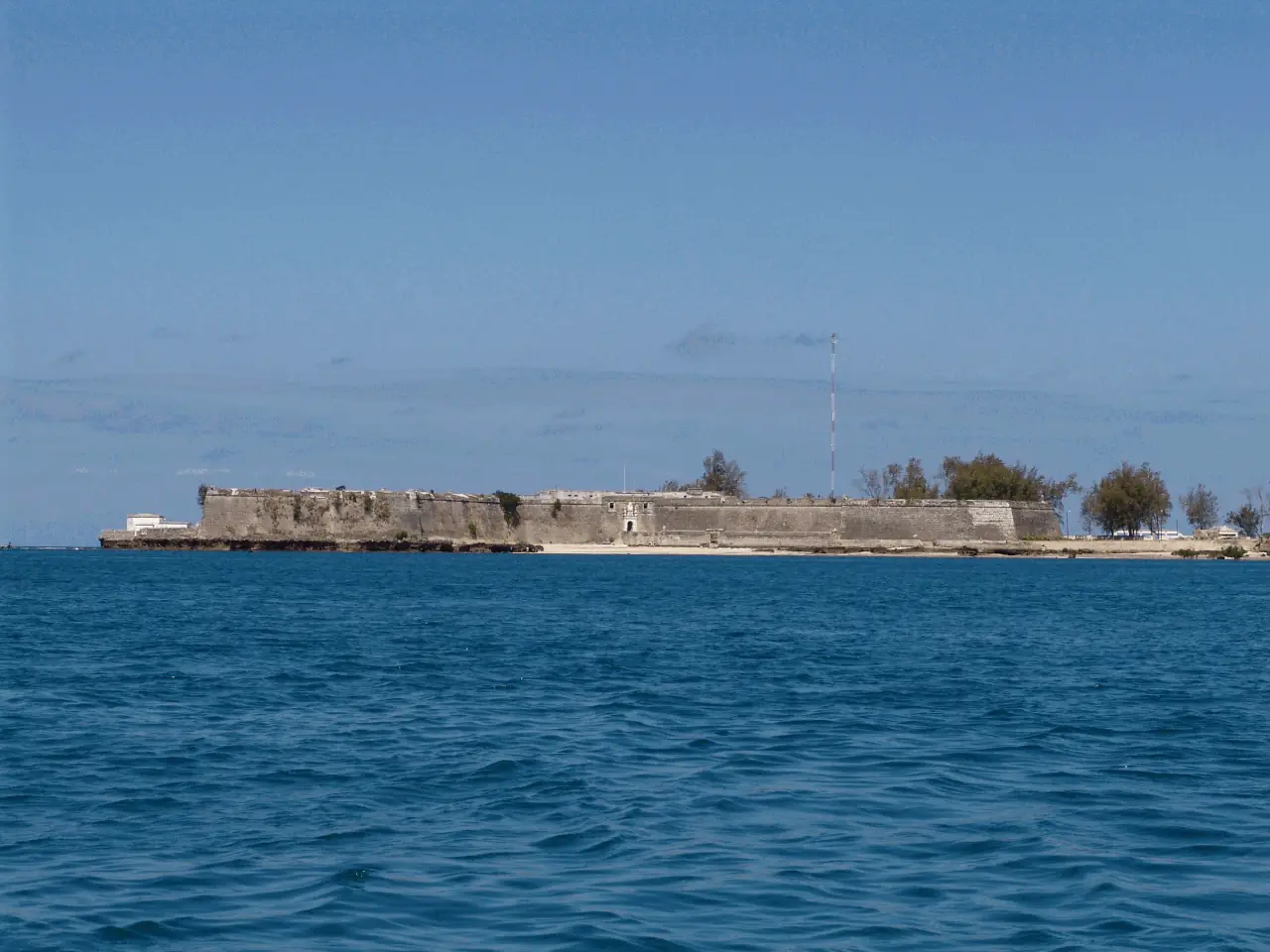 Photo: Auteur inconnu · Public domain
Published by Adama Doumbia, founder of Afrique Unie · updated 28 November 2026 · our method and sources
Why go
The capital of the Portuguese colony until the end of the 19th century, Mozambique Island, a small strip of land about three kilometres long, is a UNESCO World Heritage Site. It gave its name to the whole country. Its history is that of the Indian Ocean: Swahili trading post, port of call for Vasco da Gama in 1498, Portuguese base on the route to the Indies, crossroads of Arab, Indian and African merchants, and a slave-trading port.
The island is divided into two parts. In the north, the Stone Town lines up its palaces, churches and colonial houses with colourful, peeling facades, along with the imposing Fort of São Sebastião, which contains the chapel of Nossa Senhora do Baluarte, considered one of the oldest European buildings in the southern hemisphere. In the south, the Macuti Town, its houses roofed with palm leaves, is home to most of the inhabitants, in a maze of lively lanes. The Palace of São Paulo, the former governors' residence, is now a museum.
Getting there
The island is linked to the mainland by a bridge about three and a half kilometres long. The nearest big city is Nampula, which has an airport, about three hours' drive away. The island itself is not classed as an area to avoid, but the road from Nampula or Nacala crosses districts that France Diplomatie advises against except for essential travel, including the city of Nampula and Mossuril district, opposite the island; further north, several districts are advised against entirely. Read the latest official advice before you go, travel by day and avoid chapas, the shared minibuses.
Frequently asked questions
Is it safe to travel to the Island of Mozambique?
Caution is needed above all for getting there: as of November 2026, the Island of Mozambique district itself is not among the areas France Diplomatie advises against, but every overland route passes through areas it advises against except for essential travel, including the city of Nampula, the usual gateway, the southern parts of Nampula and Monapo districts, and Mossuril district, on the mainland opposite the island. Further north, several districts of the province are advised against entirely; the UK advises against all travel to Memba and Eráti districts and warns of a terrorist kidnap threat in the districts of Nampula bordering Cabo Delgado. Check the latest official advice before booking and make sure your insurance covers you.
How do you get to the Island of Mozambique from Nampula?
Allow around three hours by road from Nampula, which has an airport, before crossing the bridge of just over three kilometres that links the island to the mainland. The road crosses districts that France Diplomatie advises against except for essential travel, starting with the city of Nampula, so read the official advice before you go. Travel by day: driving at night outside towns should be avoided, and official advice recommends not using chapas, the shared minibuses.
What is there to see on the Island of Mozambique?
In the northern Stone Town, visit the Fortress of São Sebastião and its Chapel of Nossa Senhora do Baluarte, the São Paulo Palace, the former governors' residence and now a museum, and the Museum of Sacred Art by the Church of the Misericórdia. In the south, Makuti Town, with its palm-thatched houses, is best explored on foot, ideally with a local guide.
When is the best time to visit the Island of Mozambique?
The dry season, from May to November, is the most pleasant. The cyclone season usually runs from December to March along the whole Mozambican coast, bringing heavy rain. Allow at least two nights to enjoy the island's pace and visit the fortress early in the morning, before the heat.
Can you photograph the island's residents and houses?
Monuments and façades can be photographed freely, but always ask before photographing anyone. Makuti Town is a lived-in neighbourhood, and a local guide will help you move around it respectfully. Do not carry valuables on show.
 Botswana
 Lesotho
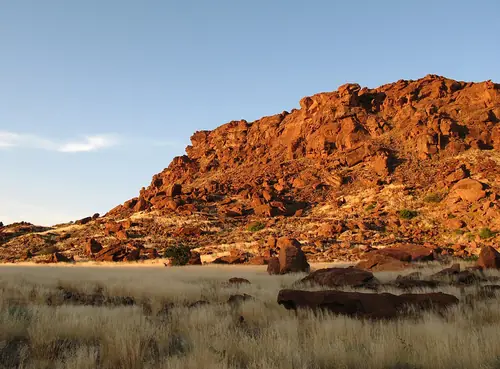
 Namibia