 AfriqueUnie
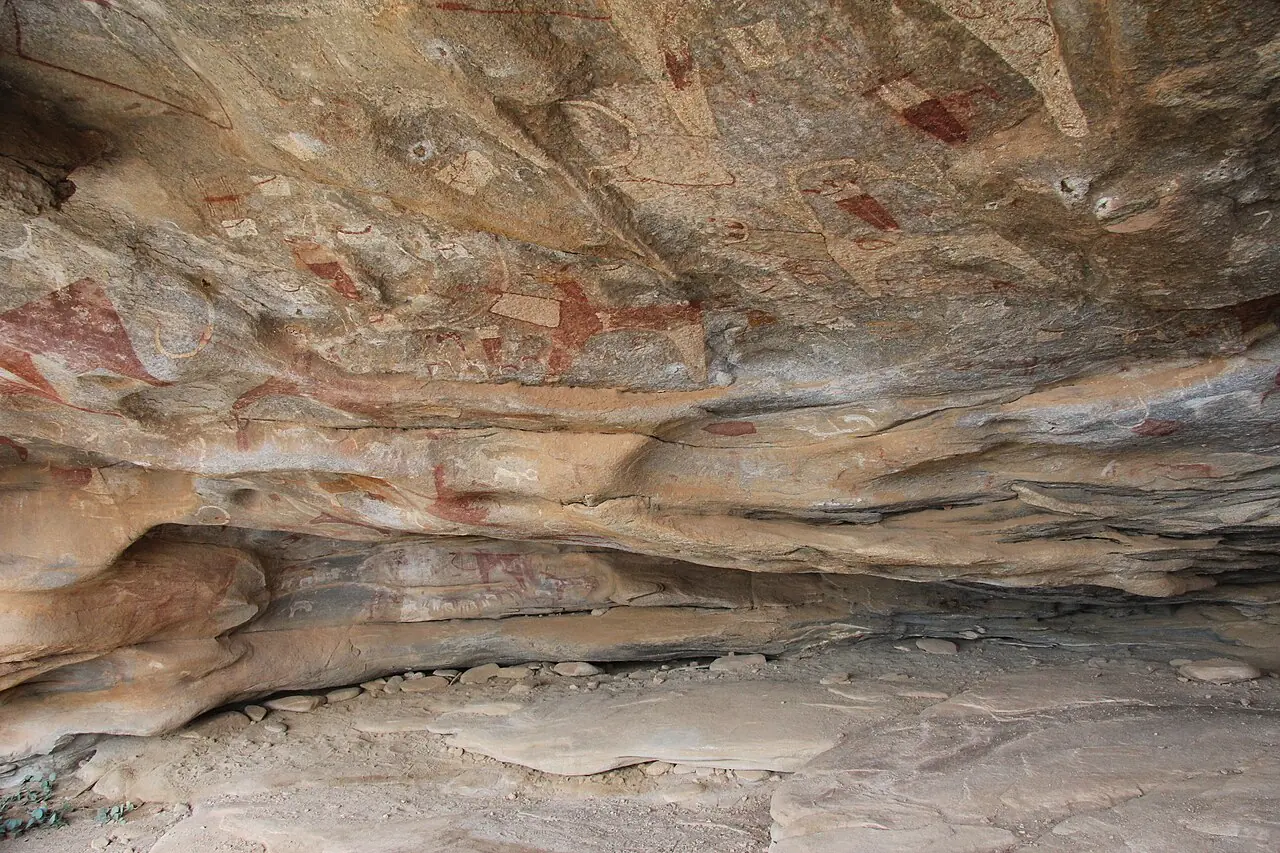 Photo: joepyrek · CC BY-SA 2.0
Published by Adama Doumbia, founder of Afrique Unie · updated 28 November 2026 · our method and sources
Why go
Some fifty kilometres north-east of Hargeisa, where two dry riverbeds meet, a granite outcrop shelters a group of rock shelters covered with rock paintings of striking freshness. Revealed to the scientific world in 2002 by a French archaeological team, these paintings are generally dated to several millennia BC; an age of around 5,000 years is often suggested, although estimates vary. They are among the best preserved in Africa.
The walls show mainly cattle with lyre-shaped horns, painted in red, white, ochre and yellow, adorned with what look like necklaces or ornaments, accompanied by human figures with raised arms who seem to be worshipping them. They reveal the central role of livestock in the lives of these ancient herders. The vividness of the colours, protected by the rocky overhangs, astonishes everyone who steps inside.
Getting there
The site is about an hour to an hour and a half's drive from Hargeisa, along the Berbera road and then a track. Until recently the Somaliland authorities required foreigners to have authorisation and to be accompanied by an armed escort. Travel in the region remains subject to your government's official travel advice, which you must consult.
 Ethiopia
 Tanzania
 Algeria
 Benin