 AfriqueUnie
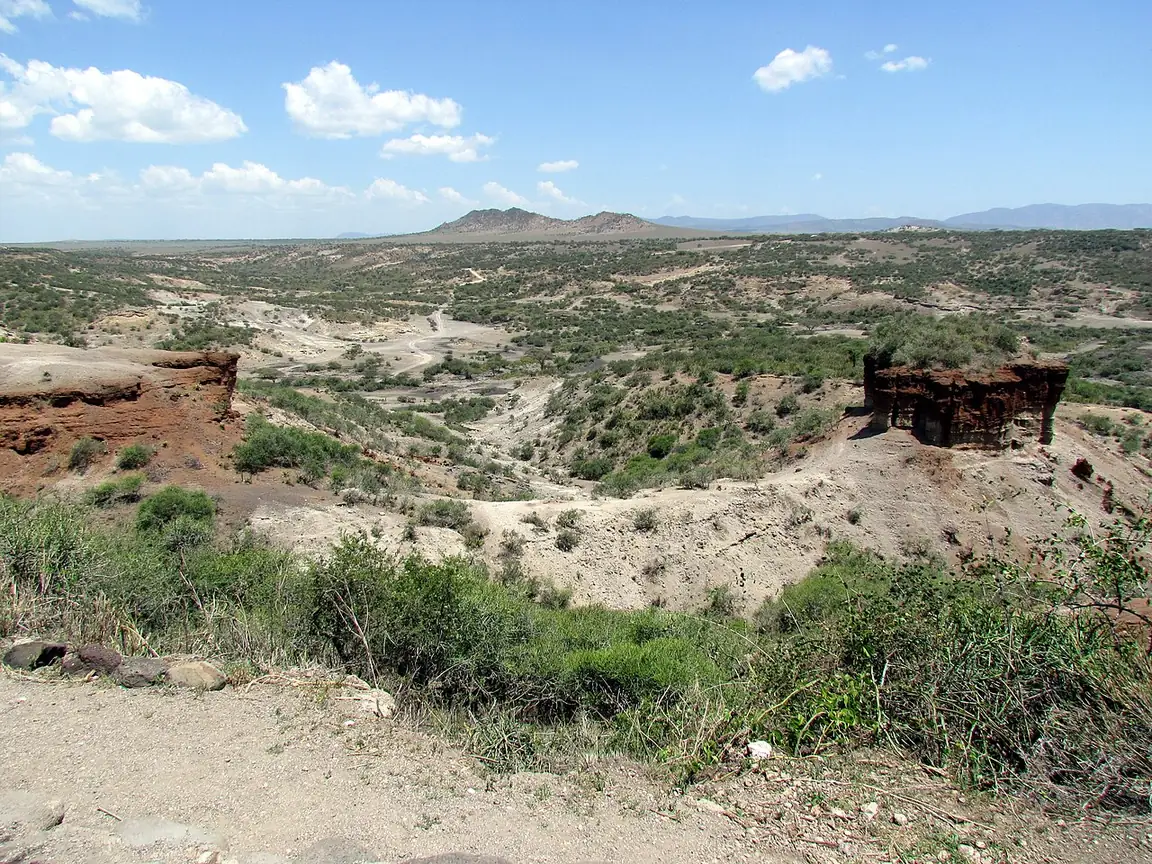 Photo: David Berkowitz · CC BY 2.0
Published by Adama Doumbia, founder of Afrique Unie · updated 28 November 2026 · our method and sources
Why go
Between Ngorongoro Crater and the Serengeti plains, Olduvai Gorge cuts through the savannah for some fifty kilometres and up to 90 metres deep. Its name comes from the Maasai word “oldupai”, meaning the wild sisal that grows abundantly on its slopes, which is why it is also spelt Oldupai. By cutting into the sediments of an ancient lake, the river exposed layers of rock spanning nearly two million years. It is one of the most important sites in the world for understanding the origins of humankind.
The site owes its fame to the palaeoanthropologists Louis and Mary Leakey, who worked here for decades. In 1959, Mary Leakey discovered the skull nicknamed “Zinj”, a robust hominin now called Paranthropus boisei, about 1.8 million years old. The following year, remains found by their son Jonathan were used to describe a new species, Homo habilis, one of the earliest members of the human genus. The gorge also gave its name to the Oldowan, one of the oldest stone-tool industries.
The gorge lies within the Ngorongoro Conservation Area, a UNESCO World Heritage Site. A museum on the rim of the ravine displays fossils, tools, casts and the history of the excavations, before a viewpoint over the gorge where a guide explains the different layers and the main sites. A few dozen kilometres away lies Laetoli, famous for its hominin footprints about 3.6 million years old, and to the north are the shifting dunes of black ash, another local curiosity.
Getting there
The gorge lies off the main road between Ngorongoro Crater and the Serengeti, about an hour to an hour and a half's drive from the crater rim. A monument marks the turn-off, a few kilometres from the museum along a track. It is almost always visited on the way, during a 4x4 safari with a driver-guide between the two parks. Ngorongoro Conservation Area entry fees apply.
Frequently asked questions
Is Olduvai Gorge worth a visit?
Yes, if you are interested in human history: it is one of the great sites of palaeoanthropology, and it is an easy stop on the road between Ngorongoro and the Serengeti. The museum is modest but clear, and a guide's explanation in front of the rock layers brings the site to life. Those who are only there for the wildlife may find it short, however.
How long does it take to visit Olduvai Gorge?
Allow one to two hours on site for the museum, a guide's talk and the viewpoint over the gorge, plus the round trip on the track from the main road. It makes a good midday break between the crater and the Serengeti.
What was discovered at Olduvai Gorge?
Hominin fossils nearly two million years old, including the Paranthropus boisei skull found by Mary Leakey in 1959 and the remains used to describe Homo habilis. The site has also yielded thousands of stone tools, which gave their name to the Oldowan industry, as well as many fossils of extinct animals.
When is the best time to visit Olduvai Gorge?
The site can be visited all year round. The dry season, from June to October, makes the tracks easier and coincides with the peak safari season in northern Tanzania. From December to March, the herds of the Great Migration are often on the nearby plains of the southern Serengeti. During the long rains, from March to May, the access track can become muddy.
Do you have to pay to visit Olduvai Gorge?
Yes, a separate entry fee is charged on top of the fees for the Ngorongoro Conservation Area, in which the gorge lies. If you are travelling with a safari operator, check whether it is included in your package.
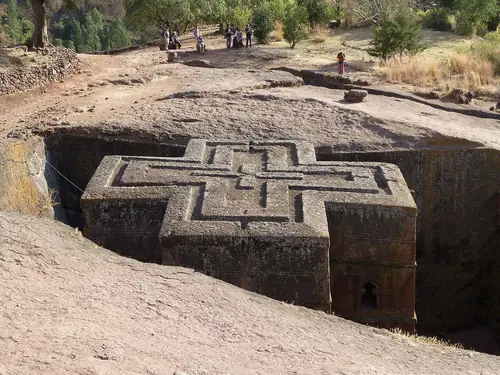
 Ethiopia
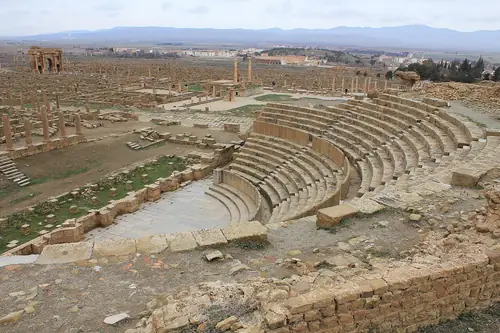
 Algeria
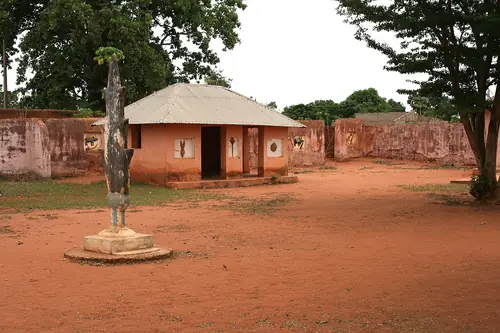
 Benin
 Botswana