 AfriqueUnie
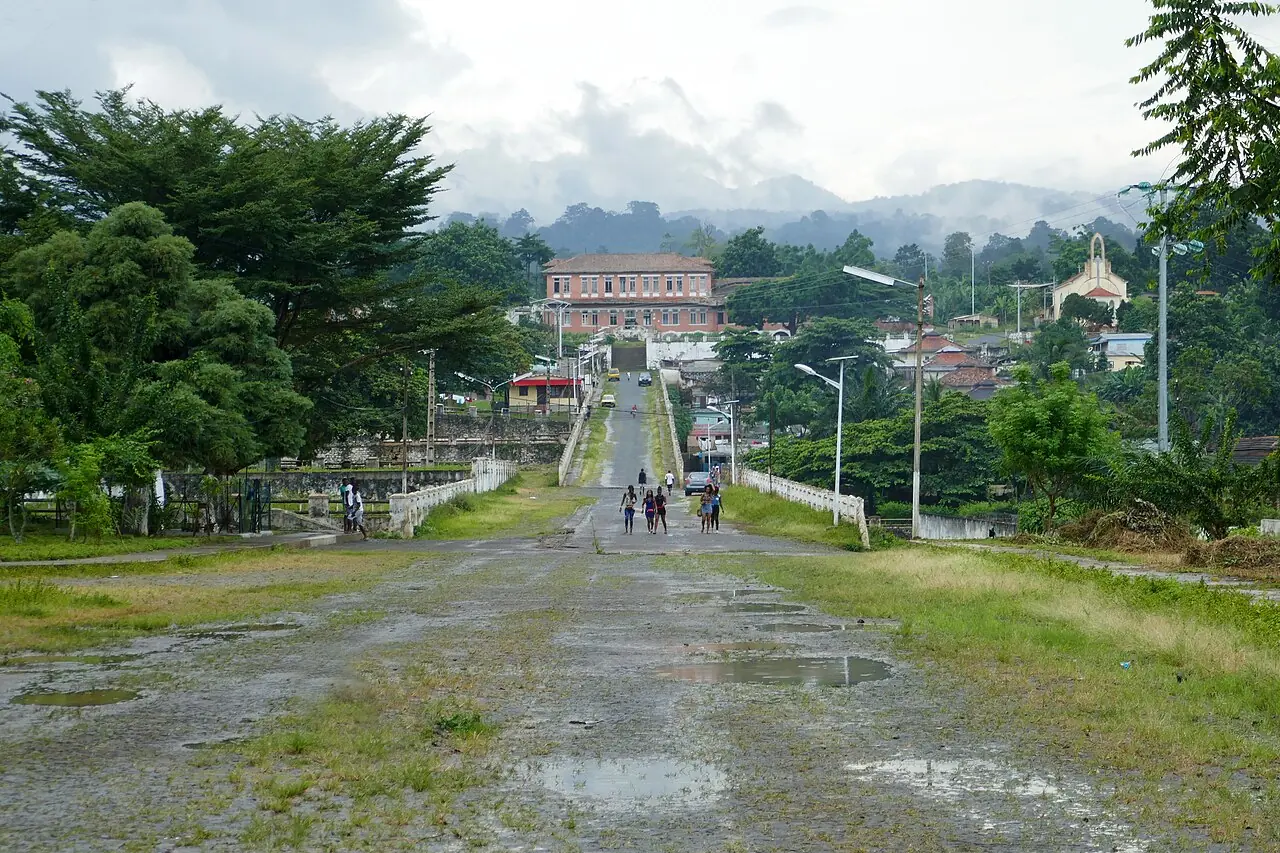 Photo: Ji-Elle · CC BY-SA 4.0
Published by Adama Doumbia, founder of Afrique Unie · updated 28 November 2026 · our method and sources
Why go
The roças are the historic soul of São Tomé and Príncipe. These old cocoa and coffee plantations, built in the nineteenth and twentieth centuries, were genuine small towns, with a manor house, hospital, workers' housing, drying sheds, warehouses and sometimes a railway. They bear witness to the era when the archipelago was one of the world's leading cocoa producers, but also to the very harsh conditions imposed on contract workers. Their architecture, mixing stone, timber and wrought iron, often remains spectacular despite the decay.
Today most are partly in ruins, overgrown with vegetation and inhabited by the descendants of the former workers. Some, such as Agostinho Neto or Monte Café, can be visited; others have been restored and turned into guesthouses or places producing cocoa and chocolate. Visiting them means delving into the country's complex history, somewhere between architectural beauty and painful memory.
Getting there
The roças are scattered across both islands, often less than an hour or two's drive from São Tomé or Santo António. A car with a driver or a local guide is recommended for visiting them and understanding their history.
Frequently asked questions
Which roças should you visit in São Tomé and Príncipe?
On São Tomé, Agostinho Neto, one of the largest with its former hospital, and Monte Café, devoted to coffee, are among the most visited, as is São João dos Angolares in the south. On Príncipe, Roça Sundy is famous: it was on this island that Eddington observed the 1919 solar eclipse that confirmed Einstein's theory of relativity.
Can you stay overnight in a roça?
Yes, several roças on both islands have been restored and turned into guesthouses. A night in one lets you experience the architecture and history of the plantations from the inside. Book ahead, as there are not many.
Do you need a guide to visit the roças?
It is not compulsory, but a local guide or a driver who knows the area helps a great deal in understanding their history. Residents often offer to show visitors around; ask about any visiting fees. Some roças still produce cocoa or chocolate and open their workshops.
Can you take photos at the roças?
Yes, but always ask before photographing residents. Many roças are still home to the descendants of former workers, often living modestly. A discreet and respectful attitude is essential.
How much time should you allow for the roças?
Half a day lets you see two or three roças near the capital, and a full day lets you reach the south or the centre of the island. For Príncipe, allow at least two days. Visiting them at different points of your stay helps you appreciate their variety.
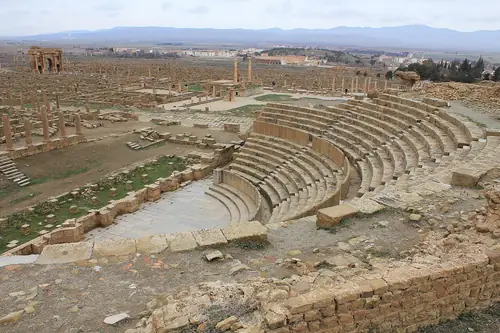
 Algeria
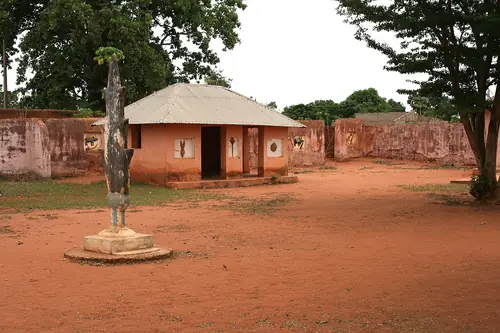
 Benin
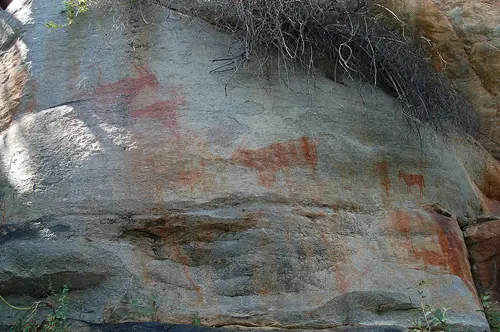
 Botswana
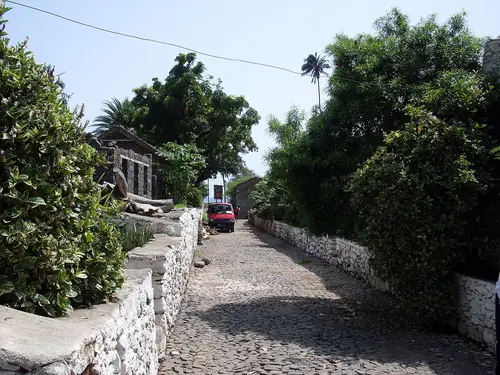
 Cape Verde