 AfriqueUnie
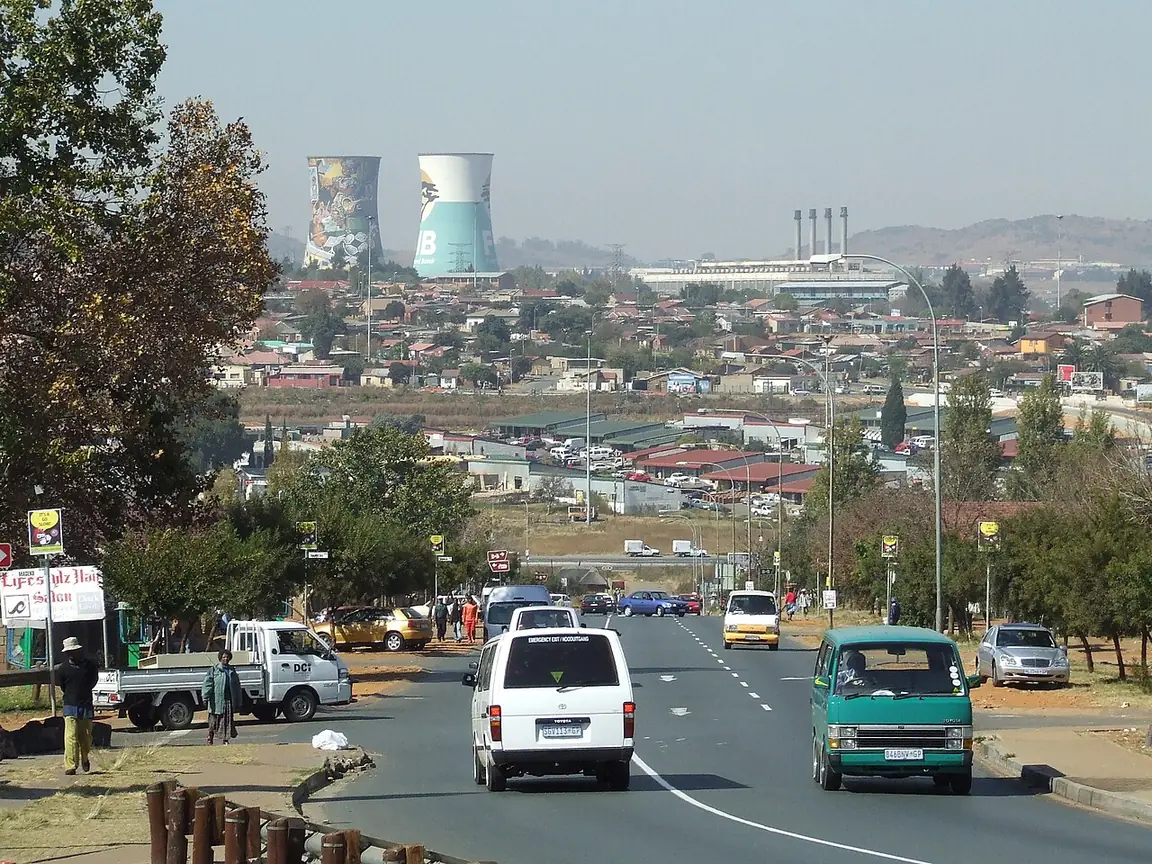 Photo: Michael Denne · CC BY-SA 2.0
Published by Adama Doumbia, founder of Afrique Unie · updated 28 November 2026 · our method and sources
Why go
South-west of Johannesburg, Soweto takes its name from an English abbreviation, “South Western Townships”. Born from neighbourhoods built from the 1930s to house Johannesburg's black workers away from the white city, it became the largest black city in South Africa under apartheid and the symbol of resistance to the regime. Incorporated into the City of Johannesburg in 2002, Soweto is now home to more than a million people and mixes rows of identical brick houses from that era, affluent suburbs, markets and very poor areas.
On 16 June 1976, thousands of pupils marched here against the imposition of Afrikaans as a language of instruction. The police opened fire: the Soweto uprising left at least 176 dead according to the most widely cited toll, and up to 700 by some estimates, and the photograph of young Hector Pieterson, carried dying by a fellow student, went around the world. The Hector Pieterson Museum, opened in 2002 two blocks from where he was shot, retraces those days through films, testimonies and photographs. Today, 16 June is Youth Day, a public holiday in South Africa.
Nearby, Vilakazi Street is often described as the only street in the world where two Nobel Peace Prize laureates have lived, Nelson Mandela and Archbishop Desmond Tutu. Mandela's house at number 8115, where he lived from 1946 to 1962, became a museum in 1997; its walls still bear bullet holes and scorch marks from petrol bombs. Elsewhere, Regina Mundi Church, which sheltered protesters in 1976, Walter Sisulu Square in Kliptown, where the Freedom Charter was adopted in 1955, and the two painted cooling towers of the old Orlando power station round off a visit to a lively, proud and welcoming place.
Getting there
Soweto lies 15 to 20 kilometres south-west of central Johannesburg, thirty to forty-five minutes by road depending on traffic. From OR Tambo Airport, allow around an hour. The easiest and safest option is to join an organised guided tour, on foot, by bike or by minibus, with a local guide, or to take a ride-hailing car straight to Vilakazi Street. The Rea Vaya bus rapid transit network also links central Johannesburg with Soweto, but foreign visitors generally prefer an accompanied visit.
Frequently asked questions
Is it safe to visit Soweto?
Yes, with precautions. The main sights, such as Vilakazi Street, Mandela House and the Hector Pieterson Museum, are busy with visitors during the day. The French authorities nevertheless recommend visiting Soweto on an organised tour. Avoid moving around alone outside the tourist areas and do not stay after dark without a guide.
What can you see in Soweto in a day?
Start at the Hector Pieterson Museum, then walk up Vilakazi Street to Mandela House and Desmond Tutu's house, which can be seen from outside. With a guide, continue to Regina Mundi Church, Walter Sisulu Square in Kliptown, where the Freedom Charter was adopted, and the painted Orlando cooling towers. A meal in one of the restaurants on Vilakazi Street rounds off the day.
How do you get to Soweto from Johannesburg?
The simplest option is a guided tour from your accommodation, by minibus, by bike or on foot with a local guide. You can also take a ride-hailing car to Vilakazi Street, about thirty to forty-five minutes from the centre. Rea Vaya rapid buses serve Soweto, but they are less convenient on a first visit.
Why is 16 June important in Soweto?
On 16 June 1976, Soweto pupils protested against compulsory teaching in Afrikaans; the police crackdown left at least 176 dead. The date marked a turning point in the struggle against apartheid. It has become Youth Day, a national public holiday, and commemorations are held every year at the Hector Pieterson Memorial.
Do you need to book to visit Mandela House?
It is generally not necessary for an individual visit, but it gets busy at weekends and during the holidays, and groups arrive from late morning. Come early on a weekday if you can and check opening hours before you go. Guided tours of Soweto almost always include Mandela House.

 Botswana
 Lesotho
 Mozambique
 Namibia