 AfriqueUnie
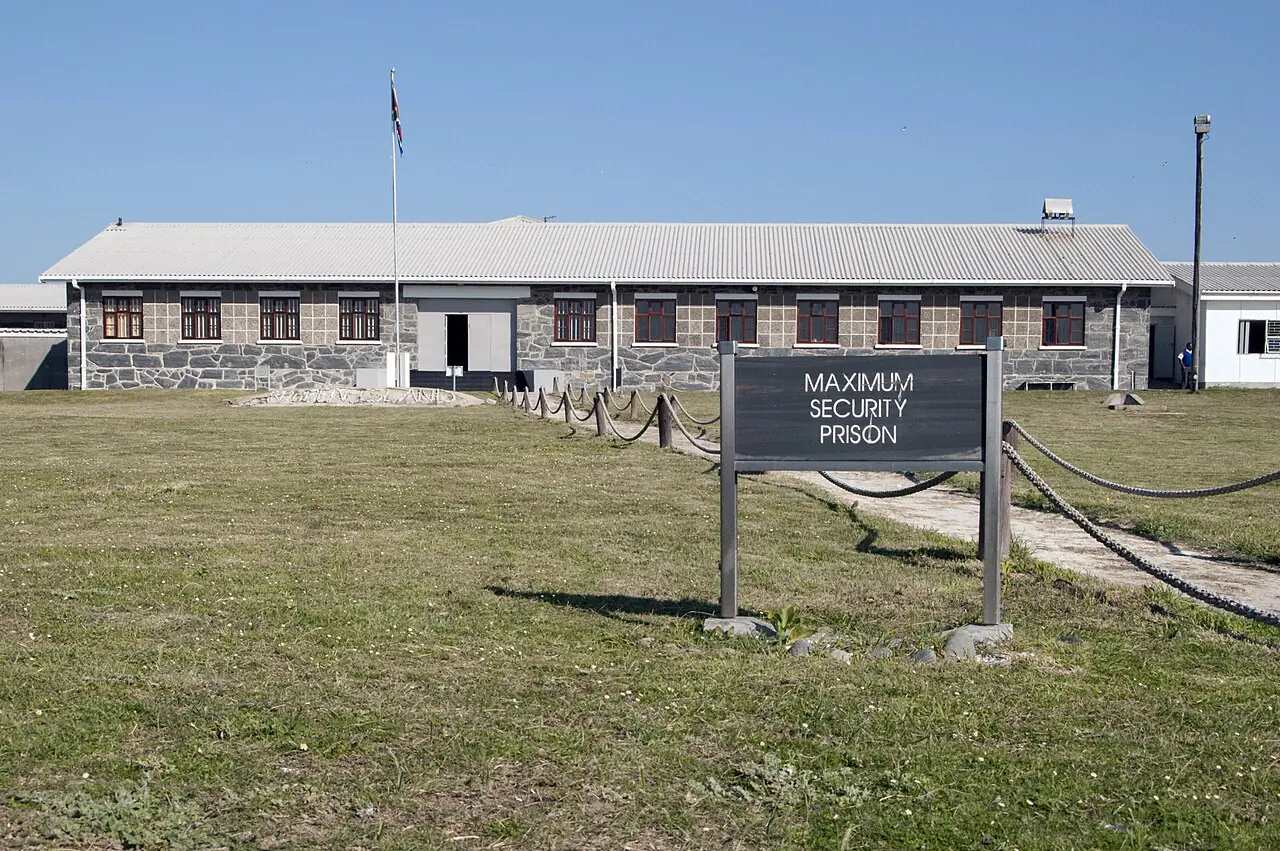 Photo: Moheen Reeyad · CC BY-SA 4.0
Published by Adama Doumbia, founder of Afrique Unie · updated 28 November 2026 · our method and sources
Why go
About ten kilometres off Cape Town, in the middle of Table Bay, Robben Island is a flat, windswept island that for nearly four centuries served as a place of banishment: prison, leper colony, military garrison. It is best known for the maximum-security prison where the apartheid regime locked up political opponents from the 1960s onwards, among them Nelson Mandela, who spent eighteen of his twenty-seven years in custody there. Now a museum, it has been a UNESCO World Heritage Site since 1999.
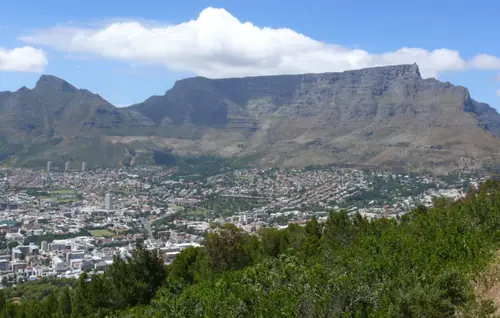
The guided tour, by boat and then by bus, circles the island: the lime quarry where prisoners broke rock under a blinding sun, the warders' village, the old lepers' graveyard and the house of Robert Sobukwe, who was held in isolation. It ends in the prison buildings, where you see Mandela's tiny cell. For many years the story has been told by former political prisoners turned guides, which gives the visit a rare power. From the island, the view of Table Mountain is spectacular.
Getting there
Boats leave from the Nelson Mandela Gateway at Cape Town's V&A Waterfront several times a day depending on the season; the crossing takes about half an hour to three quarters of an hour. The full tour, crossings included, takes around three and a half to four hours. Tickets are sold online through the Robben Island Museum or at the Gateway ticket office, which also houses a small exhibition.
Frequently asked questions
Do you need to book Robben Island in advance?
Yes, it is strongly recommended, especially in the southern summer and during school holidays, as departures sell out quickly. Tickets are sold on the official Robben Island Museum website or at the Nelson Mandela Gateway ticket office at the V&A Waterfront. Leave some slack in your trip, as crossings can be cancelled in bad weather.
Who leads the guided tour of the prison?
For many years the prison tour was led by former political prisoners, who described their own imprisonment. Their numbers are falling over time, and tours may also be led by guides trained by the museum. Either way, take the chance to ask questions: it is one of the highlights of the visit.
Can you see Nelson Mandela's cell?
Yes, the prison tour passes the cell where Nelson Mandela was held, in the section for political prisoners. You usually see it from the doorway. Its tiny size and bare furnishings are among the most striking images of the visit.
What happens if the sea is too rough?
Crossings are cancelled in heavy seas or strong winds, which are more common in the southern winter, from June to August. The museum usually informs visitors on the day; check the rebooking or refund conditions when you buy your ticket. That is why it is wise not to plan the visit for the last day of your stay.
What do you see on the bus tour of the island?
The bus passes the lime quarry where prisoners worked, the house where Robert Sobukwe was held in isolation, the old leper graveyard and the warders' village. It also gives a spectacular view of Table Mountain across the bay. A colony of African penguins and many seabirds live on the island, though you are not guaranteed to see them from the bus.



 Botswana
 Lesotho
 Mozambique
 Namibia