AfriqueUnie
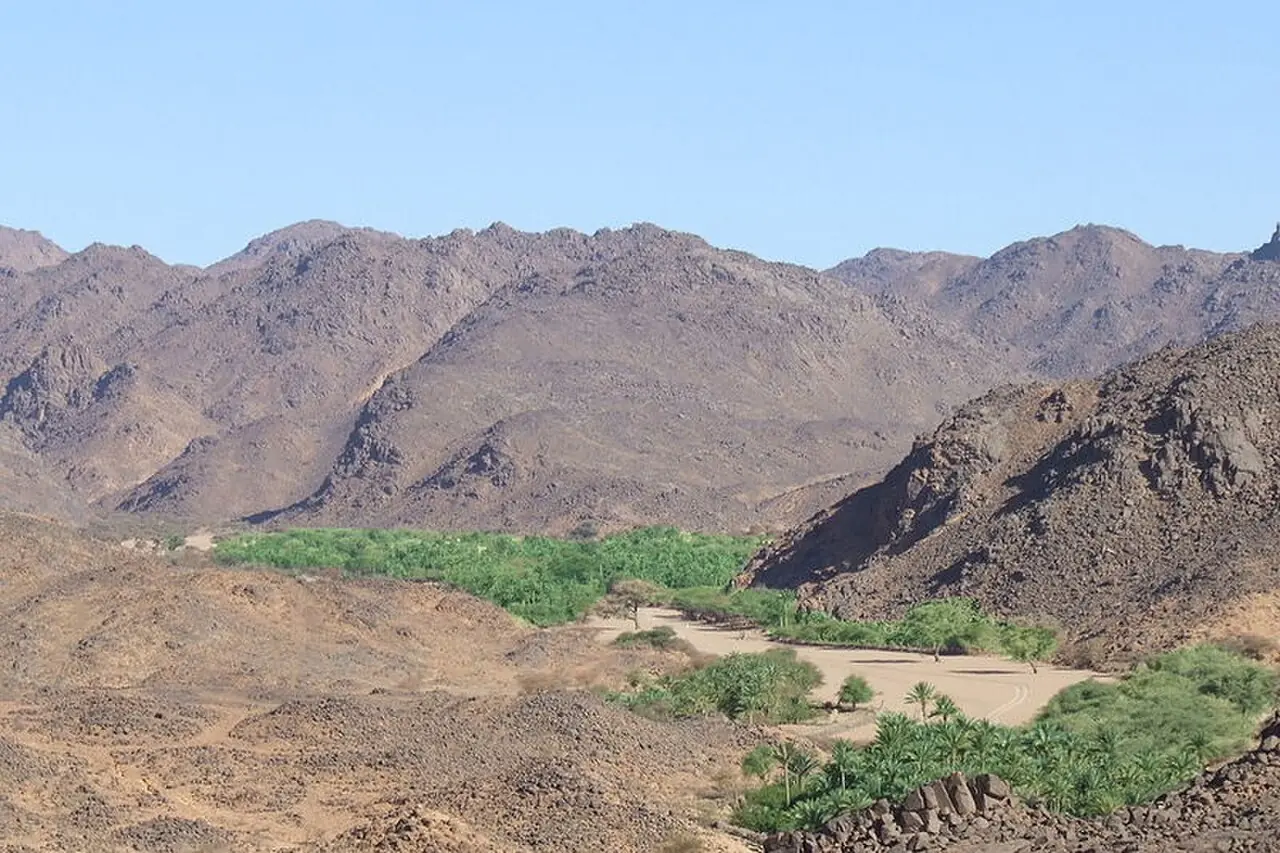 Photo: Denvermaxwell at English Wikipedia · Public domain
Published by Adama Doumbia, founder of Afrique Unie · updated 28 November 2026 · our method and sources
Why go
Northern Niger is home to one of Africa's largest protected areas, inscribed as a World Heritage Site in 1991. On one side lies the Aïr, a massif of dark, sometimes bluish granite and basalt, cut by valleys known as kori where acacias and doum palms grow. On the other is the Ténéré, one of the purest sand deserts in the Sahara, with its immense dune ridges, its gravel plains and geological curiosities such as Arakao, an ancient mountain cirque swallowed by sand.
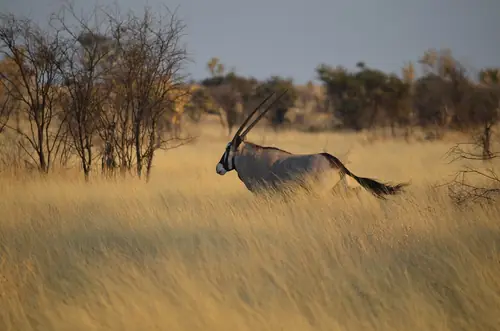
The region holds an extraordinary wealth of rock engravings and paintings, including the carved giraffes of Dabous, as well as wildlife adapted to aridity. Since 1992 the site has been on the List of World Heritage in Danger, because of insecurity and threats to its wildlife. All travel to the area is currently advised against: the risk of kidnapping is high and no trip should be considered.
Getting there
Before the crisis, you set off from Agadez in four-wheel drives with Tuareg camel drivers and guides, for expeditions lasting from one to several weeks, sometimes by camel. There are currently no conditions that would allow such a trip to be organised; you will have to wait for a lasting change in official advice.
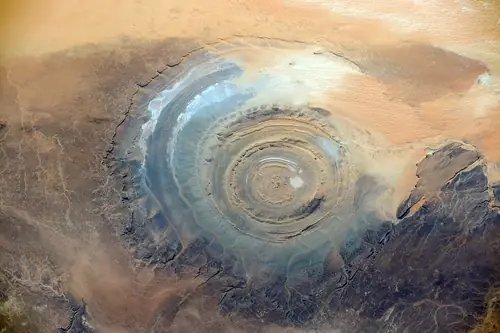
 Mauritania
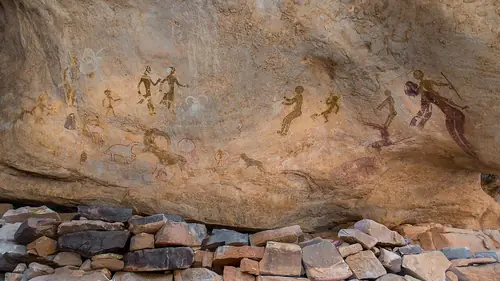
 Algeria
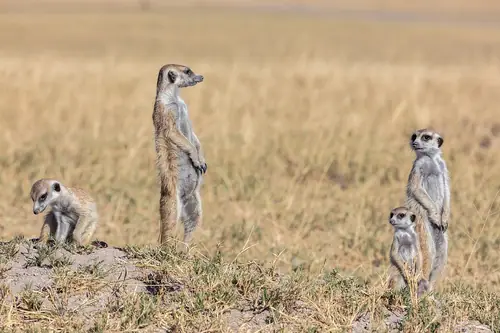
 Botswana