 AfriqueUnie
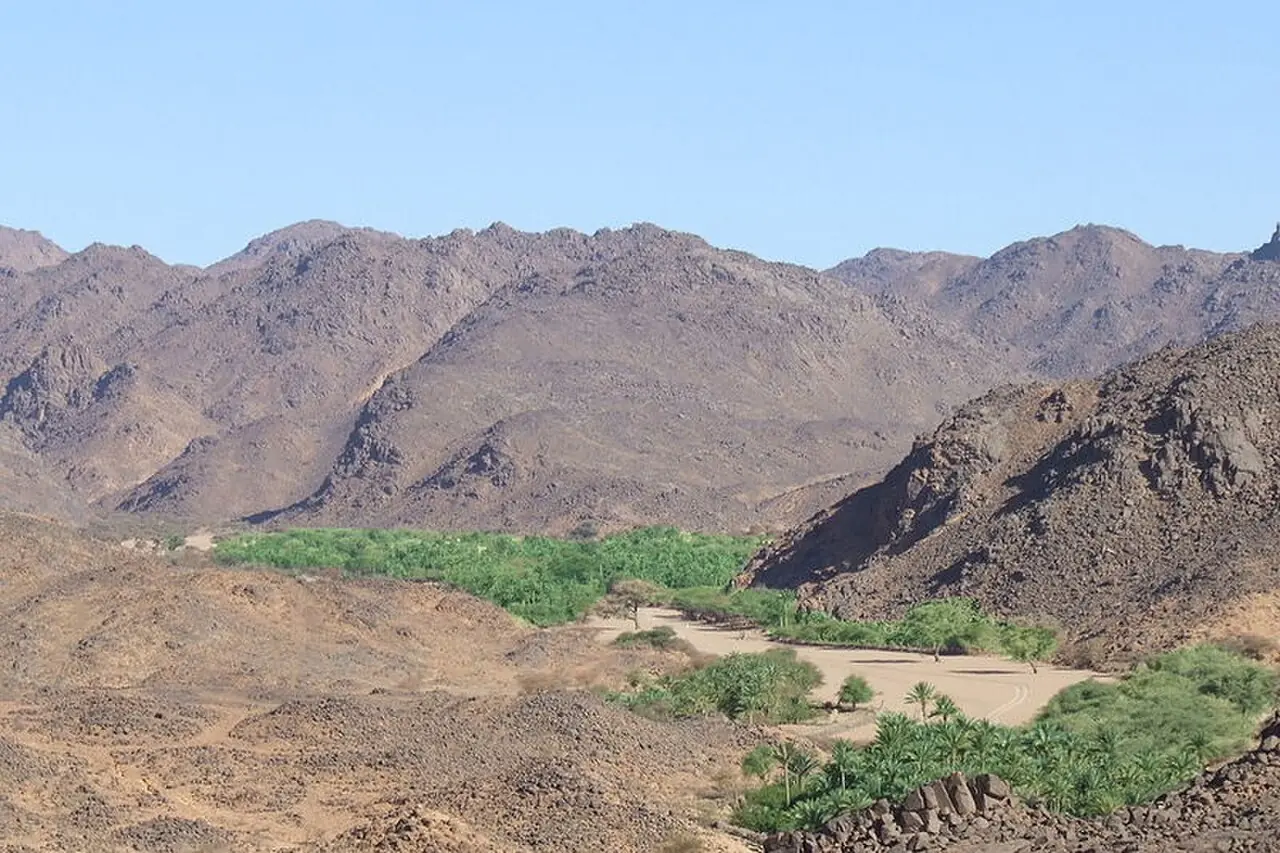 Photo: Denvermaxwell at English Wikipedia · Public domain
 Niger
Published by Adama Doumbia, founder of Afrique Unie · updated 28 November 2026 · our method and sources
Why go to Niger
Let's start with what matters most: Niger is currently a destination where all travel is advised against by European foreign ministries. The risks of kidnapping and armed attack cover the whole country, and the political situation since the 2023 coup makes any stay particularly sensitive. Before thinking any further, check your government's official travel advice. This text presents Niger as its people like to show it to the world, until travel becomes possible again.
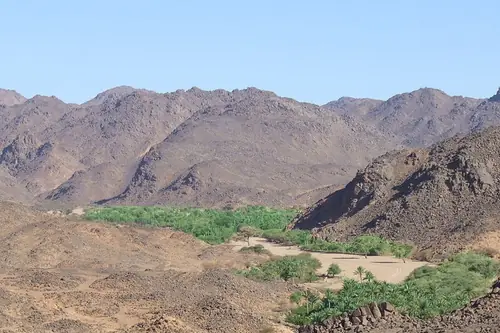
Niger is first and foremost a vast Saharan expanse, one of the most beautiful on the continent. In the north, the Aïr Mountains raise their peaks of dark granite and their valleys where acacias and doum palms survive, while the Ténéré desert unrolls immense ergs that salt caravans crossed for centuries, as far as the oases of Bilma. The rock faces bear engravings thousands of years old of giraffes, ostriches and cattle, witnesses to a once-green Sahara, like the famous Dabous giraffes.
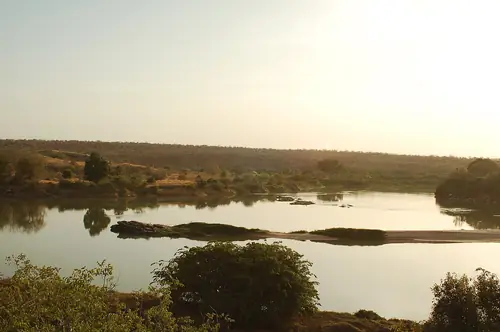
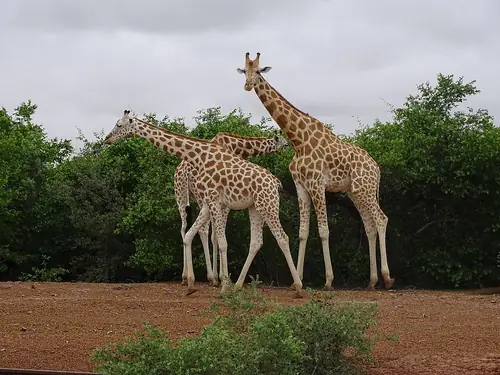
It is also a country of peoples with strong cultures. The Tuareg, with their indigo veils, their finely chiselled silver crosses and their electric guitar music, now famous all over the world; the Wodaabe Fulani, whose male beauty dances at the Gerewol have fascinated photographers and anthropologists; the Hausa of the great trading towns of the south, Zinder and Maradi; the Zarma and Songhai along the river. On the Niger itself, the peaceful life of fishermen and market gardeners, the Kouré giraffes grazing between the fields and the old earthen town of Agadez make up a country of rare beauty, which for now must be discovered through books, music and film.
History and culture
Ancient civilisations flourished on Nigerien soil, as the prehistoric sites of the Aïr and the Ténéré bear witness. Over the centuries, the west of the country was absorbed into the Songhai Empire, while the east came under the Kanem-Bornu Empire and Hausa city-states developed in the south. The Sultanate of Aïr, with Agadez as its capital from the 15th century, controlled the caravan routes linking West Africa to North Africa.
Colonised by France in the early 20th century, in the face of fierce resistance, Niger became independent in 1960 with Hamani Diori as its first president. Its political history was then marked by several coups and by Tuareg rebellions in the north. Uranium mining around Arlit made the country a strategic player. Since the army seized power in July 2023, Niger has drifted away from its Western partners, against a backdrop of deteriorating security.
8 experiences not to miss in Niger
- 01Dream of the TénéréImmerse yourself, through travellers' tales and photographs, in these seas of sand where the Tree of Ténéré was long the caravan drivers' only landmark.
- 02Listen to Tuareg guitarDiscover the music of Niger's Tuareg, with its hypnotic riffs and songs of exile and the desert.
- 03Watch the Kouré giraffesWhen it becomes possible, approach on foot the West African giraffes that roam freely among the villages.
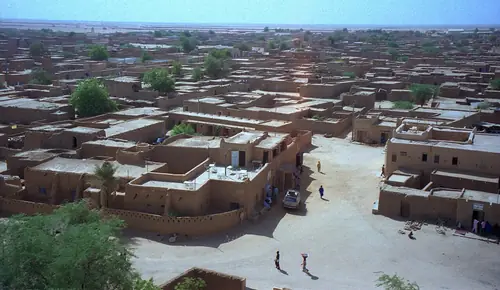
- 04Wander through AgadezOne day, explore the earthen lanes of the old town, between jewellers' workshops and houses with decorated façades.
- 05Gaze at rock artAdmire, in pictures or one day in person, the giant giraffe engravings of Dabous in the Aïr.
- 06Admire Tuareg jewelleryDiscover the silverwork of the inadan smiths, and the Agadez cross in its many regional variations.
- 07Sail on the NigerImagine a pirogue trip near Niamey, among sandy islands, hippos and market gardens.
- 08Understand the GerewolDiscover through documentaries the gatherings of the Wodaabe and their courtship dances with painted faces.
When to go to Niger
The most pleasant period runs from November to February, with hot but bearable days and cool nights, even cold in the desert, where the thermometer can drop close to zero. From March the heat becomes oppressive, often exceeding 45 °C in April and May, before the rainy season, from June to September, brings violent storms to the south and turns the Sahel green again. The harmattan wind, between December and February, sometimes fills the air with dust. These pointers only apply once the security situation allows travel again.
Getting around
Before the situation deteriorated, travellers got around by coach between Niamey, Dosso, Maradi, Zinder and Agadez, and reached the Aïr and the Ténéré by four-wheel drive with agencies and experienced Tuareg guides, often on charter flights to Agadez. Today the roads are exposed to attacks, and all travel outside Niamey is advised against, as is staying in the capital. Any presence in the country would require close coordination with your embassy and strict compliance with official instructions, which are updated regularly.
Etiquette and customs
Niger is an overwhelmingly Muslim country where hospitality is sacred and modesty valued. People greet each other at length, ask after the family, and accept the tea offered, served in three glasses, each sweeter than the last, which you drink without hurrying. Clothing covering arms and legs is a must, for women and men alike. Among the Tuareg, men wear the veil, the tagelmust, which stays on even while eating; avoid asking to see it removed. Eat with your right hand, never photograph anyone without permission, and remember that patience is the best form of courtesy.
Food and drink in Niger
Nigerien cuisine is simple and generous. Dambou, a couscous of moringa leaves and millet or maize semolina spiced up with peanuts and chilli, is a popular dish. Kilichi, beef dried in thin strips, coated in a spicy peanut paste and then grilled, is snacked on everywhere and often taken home as a souvenir. Riz sauce, rice with a tomato, peanut or okra sauce, is the basis of meals in town, while boule, a millet ball, is drunk mixed into curdled milk on hot days. Along the roads, mutton skewers and mint tea punctuate every stop.
 Benin
 Burkina Faso
 Cape Verde
 Côte d'Ivoire
 Ghana
 Guinea
 Guinea-Bissau
 Liberia
 Mali
 Mauritania
 Nigeria
 Senegal
 Sierra Leone
 The Gambia
 Togo