Red dunes among the highest in the world, the Skeleton Coast and desert-adapted wildlife: Namibia is best discovered on a self-drive trip along its endless gravel roads.
Namibia rewards those who get behind the wheel. Here the road is the journey itself: hundreds of kilometres of gravel track where you pass more oryx than cars, mountain passes that suddenly tip you out onto golden plains, and lonely filling stations where you top up the tank, grab a coffee and chat with the attendant. It is one of the few countries in Africa where you can travel entirely independently, with a 4x4 hired in Windhoek, a map and a cool box, sleeping at guest farms one night and well-equipped campsites the next. Few destinations offer such a sense of space: the country is larger than France and home to barely three million people.
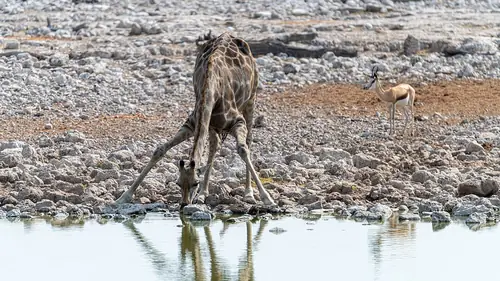
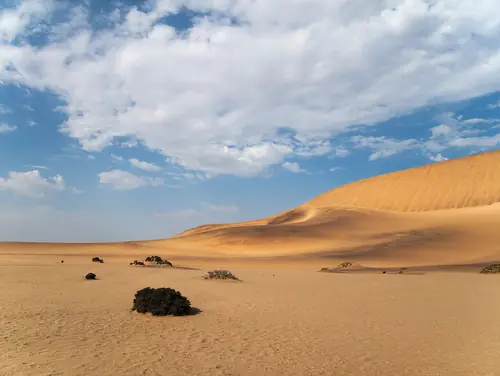
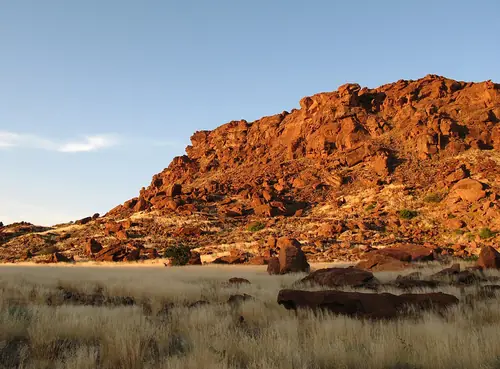
The Namib Desert, said to be among the oldest on the planet, is its heart. Its apricot and rust-coloured dunes shift hue by the hour, and the contrast between this scorching sand and the icy Atlantic, where the Benguela Current breeds thick fogs, creates landscapes found nowhere else. In the north, Etosha National Park offers one of the easiest safaris in Africa: you drive yourself from waterhole to waterhole and wait for elephants, black rhinos or lions to come down to drink.
But Namibia is more than a backdrop. Its people make up a remarkably varied society: the Ovambo of the north; the Herero, whose women still wear Victorian dresses and horn-shaped headdresses; the ochre-daubed Himba of Kaokoland; the Damara and Nama with their click languages; the San of the Kalahari; and Afrikaners and descendants of Germans who still serve apple strudel in Swakopmund. Political stability, well-maintained roads, serious tourism infrastructure and a night sky of rare clarity, recognised by several dark-sky reserves, make it an excellent first African destination as well as an inexhaustible playground for old hands.
History and culture
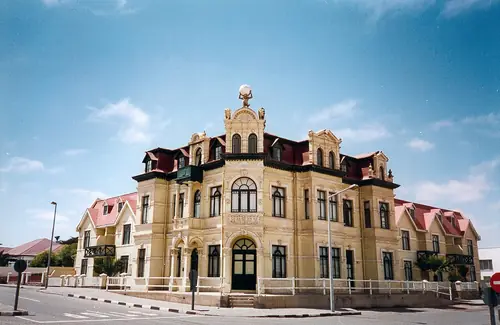
The San have lived on this land for thousands of years, as the rock engravings of Twyfelfontein, a UNESCO World Heritage Site, bear witness. Nama and Herero herders and Ovambo and Damara farmers later came to share the territory. In 1884 Germany made it its colony of South West Africa. The Herero and Nama uprising of 1904 to 1908 was crushed with a brutality that Germany has finally acknowledged as genocide: it remains a living memory, spoken of with great solemnity.
After the First World War, South Africa took over the administration of the territory and extended apartheid to it. SWAPO waged a long liberation struggle until independence on 21 March 1990, under United Nations supervision, with Sam Nujoma as the first president. Since then the country has built a reputation as a stable democracy, and it was one of the first in the world to enshrine environmental protection in its Constitution, which gave rise to the communal conservancies where villagers manage the wildlife themselves.
8 experiences not to miss in Namibia
Photo : Ikiwaner · GFDL 1.201Sunrise over the dunesPass through the Sesriem gate at dawn and climb a sand ridge as the shadows retreat from the valleys of Sossusvlei.
Photo : Christoph Strässler · CC BY-SA 2.003Night at the floodlit waterholeEtosha's rest camps have floodlit waterholes where you can sit in silence and watch the animals come to drink after dark.
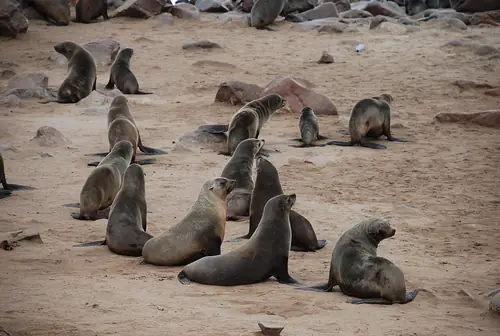
Photo : Josep M. Gracia · CC BY-SA 4.004The seals of Cape CrossTens of thousands of Cape fur seals crowd onto the rocks amid a din and a smell you will never forget.
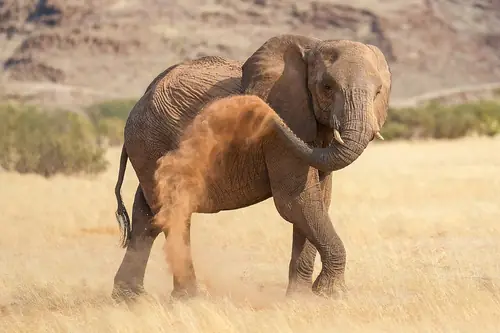
Photo : Giles Laurent · CC BY-SA 4.005Damaraland and its desert elephantsTrack the elephants that have adapted to the arid land along dry riverbeds with a guide, then visit the engravings of Twyfelfontein.
Photo : Daniel Kraft · CC BY-SA 3.006Sandboarding and quad biking in SwakopmundHurtle down the dunes lying flat on a board, or set off to discover the desert's hidden small creatures with a naturalist guide.
07The starry skies of NamibRandSpend a night far from any light in a private reserve in the southern Namib, beneath a Milky Way of rare sharpness.
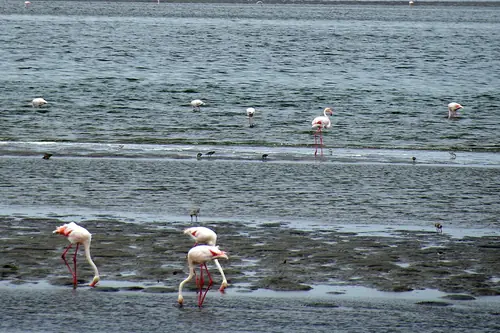
Photo : Balou46 · CC BY-SA 4.008Kayaking on the Walvis Bay lagoonPaddle among inquisitive seals, sometimes with dolphins, then watch the flamingos that frequent the lagoon.
When to go to Namibia
The dry season, from May to October, is ideal: clear skies, sparse vegetation that makes game viewing in Etosha easier, and animals concentrated around the waterholes. Be warned that June and July bring very cold nights in the desert, sometimes close to freezing, so pack a fleece and a woolly hat. September and October turn hot, but this is the best time for wildlife. From November to April the rains arrive as thunderstorms, mainly in the north and centre; the landscapes turn green, migratory birds flock in and newborn animals abound, but some tracks become tricky. On the coast, morning fog is common all year round and it is often cool, even in the height of the southern summer.
Getting around
A self-drive tour is the most natural way to travel: hire a vehicle in Windhoek, ideally a high-clearance 4x4, often fitted with a rooftop tent. Driving is on the left. The main roads are tarred, but most of the network is gravel: keep your speed down, as running off gravel roads is the leading cause of accidents among travellers. Fill up at every opportunity, carry plenty of water and check your spare wheel. Avoid driving at night because of animals. Public transport is scarce away from the main routes; if you would rather not drive, small-group guided tours and light-aircraft flights to remote lodges are the alternative.
Etiquette and customs
Namibians are quietly courteous. Always greet people before asking for anything, even a cashier: a simple “Good morning, how are you?” opens every door. Before photographing anyone, especially in Himba or Herero villages, ask permission; choose visits organised with the communities themselves, who earn an income from them, over impromptu stops where sweets get handed out. On farms and at lodges, respect the fences and close gates behind you. Time is elastic outside the towns, and patience is appreciated. On the road, raising a hand to greet other drivers is a charming local habit.
Food and drink in Namibia
Namibia is meat country. In the Katutura district, kapana is grilled straight over the embers: thin strips of beef that you dip into a mix of chilli and spices and eat standing up off a sheet of paper. Biltong, dried and spiced beef or game, comes along on every car journey. Potjiekos simmers for hours in a three-legged cast-iron pot over the fire of the braai, the South African barbecue that sets the rhythm of the evenings. Lodges happily serve oryx, kudu or springbok. On the coast, the oysters of Walvis Bay and Lüderitz are renowned. The German heritage lives on in the bakeries, the lager-style beers and the cakes served at coffee time.
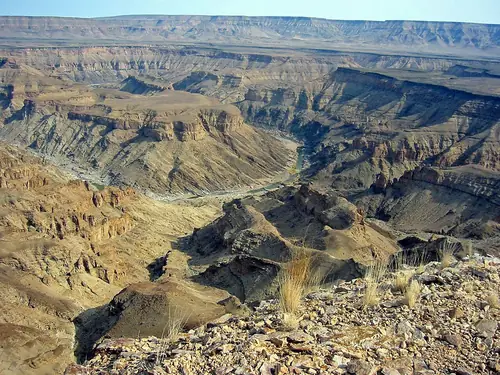
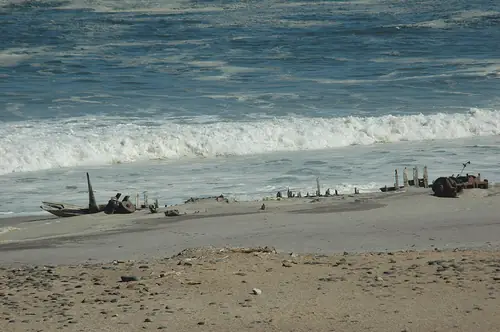
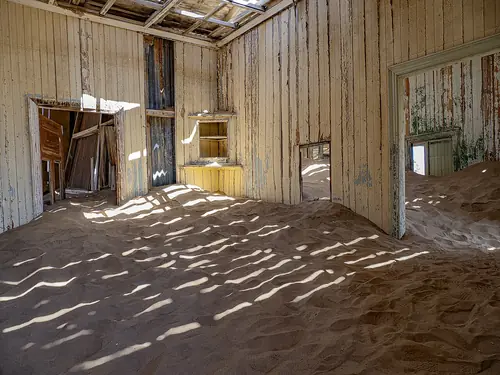
The must-sees: Sossusvlei and Deadvlei, Etosha National Park, Fish River Canyon, Skeleton Coast, Twyfelfontein and Damaraland, Kolmanskop.
Which cities should I visit in Namibia?
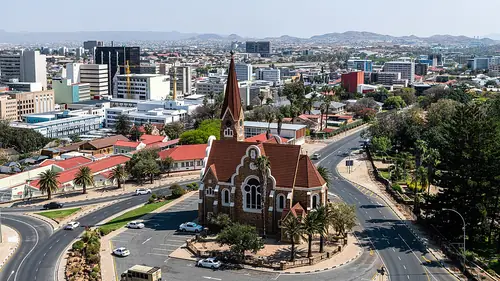
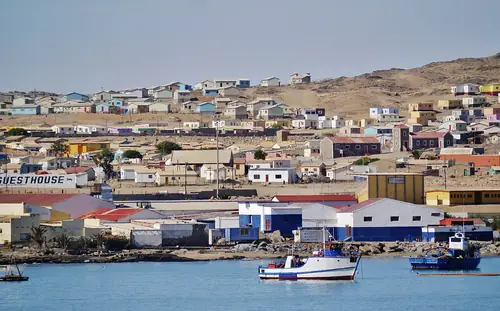
Windhoek, Swakopmund, Lüderitz. The capital is Windhoek.
How much should I budget for a trip to Namibia?
Mid-range: around €60–120 per person per day, excluding flights. This is only a guide and depends above all on the accommodation and activities you choose.
What currency and languages are used in Namibia?
Currency: Namibian dollar (NAD). Languages: English, Afrikaans, Oshiwambo.
How do I get to Namibia?
The main international airport has the code WDH. Compare flights with the ‘Flights’ button on this page.
Do I need a visa to visit Namibia?
Entry requirements depend on your nationality and change regularly. Check them on the country's official website or with your foreign ministry before booking, and make sure your passport is valid.
What should I eat in Namibia?
Dishes to try while you're there: Kapana, biltong, potjiekos.
Namibia is best explored by rental car, often an equipped 4x4: the main tarred roads are good, but many journeys are on gravel roads that require caution. FlyNamibia links Windhoek with Walvis Bay, Ondangwa or Katima Mulilo, and light aircraft serve remote lodges. Regular passenger trains are suspended; long-distance buses (notably Intercape) and minibuses link Windhoek with the main towns. Traffic drives on the left.
Health and safety
Yellow fever
Certificate required only if you arrive from, or transited through, a country with a risk of yellow fever (from 9 months, incl. airport transits over 12 h); vaccine generally not recommended.
Malaria
Present in some areas (northern regions, Kavango, Zambezi, Kunene, Owambo regions, Otjozondjupa, Omaheke; not in Windhoek): ask a doctor depending on your itinerary.
Water and food
Unless your accommodation says otherwise, drink sealed bottled or filtered water, and wash your hands often.
Sources: France Diplomatie, Viaggiare Sicuri, Belgian Foreign Affairs, GOV.UK, checked in November 2026. All 54 countries
Entry requirements (visas, vaccinations) and security conditions change regularly: check them with the official authorities before booking. Official tourism website: Namibia Tourism Board.
Affiliate cookiesWe would like to load a script from our partner Travelpayouts. It may set cookies so that we receive a commission when you book through our links, at no extra cost to you. If you decline, the site works in exactly the same way. Find out more
 AfriqueUnie
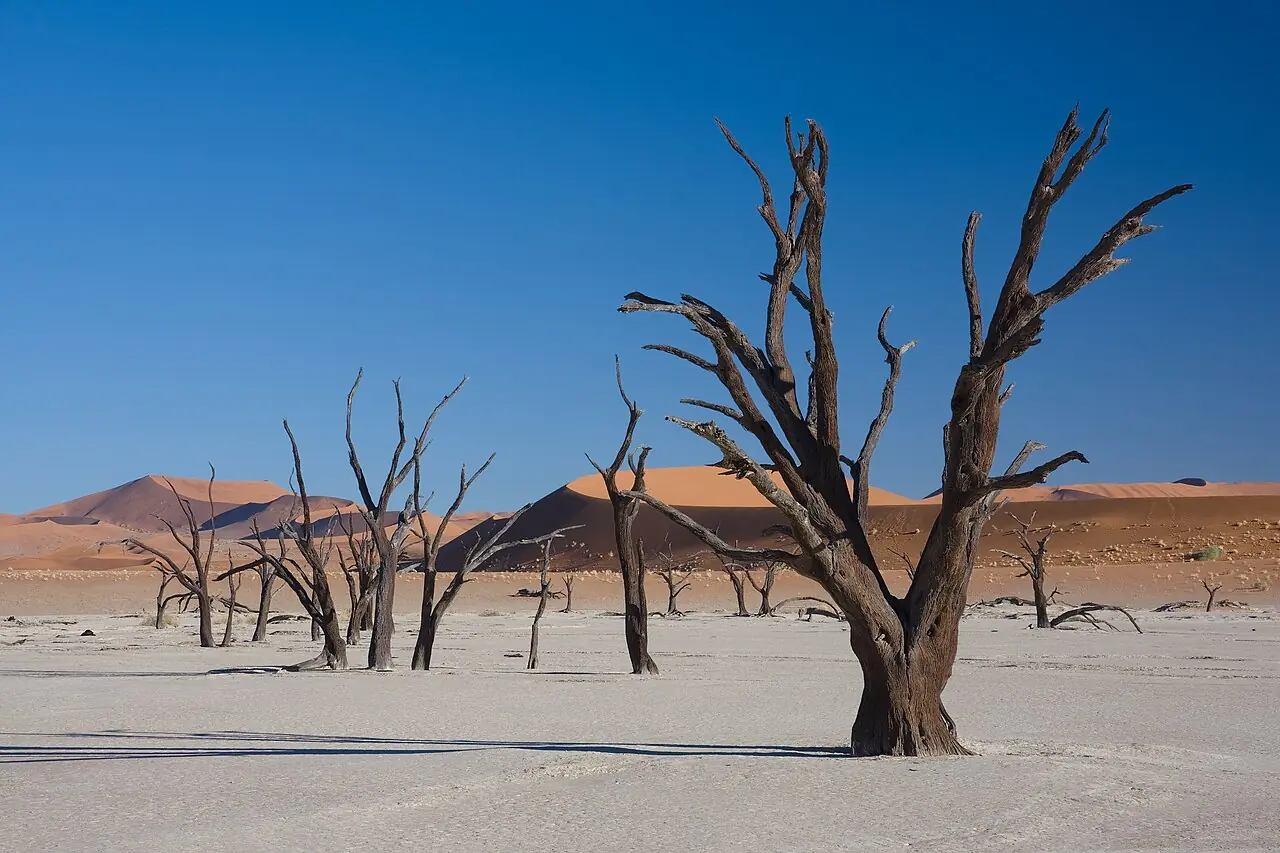 Photo: Ikiwaner · GFDL 1.2
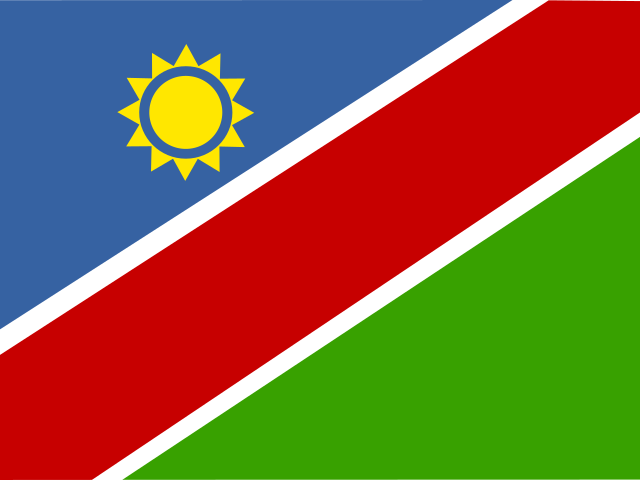 Namibia

 Eswatini
 Lesotho
 Malawi
 Mozambique
 Zambia
 Zimbabwe