AfriqueUnie
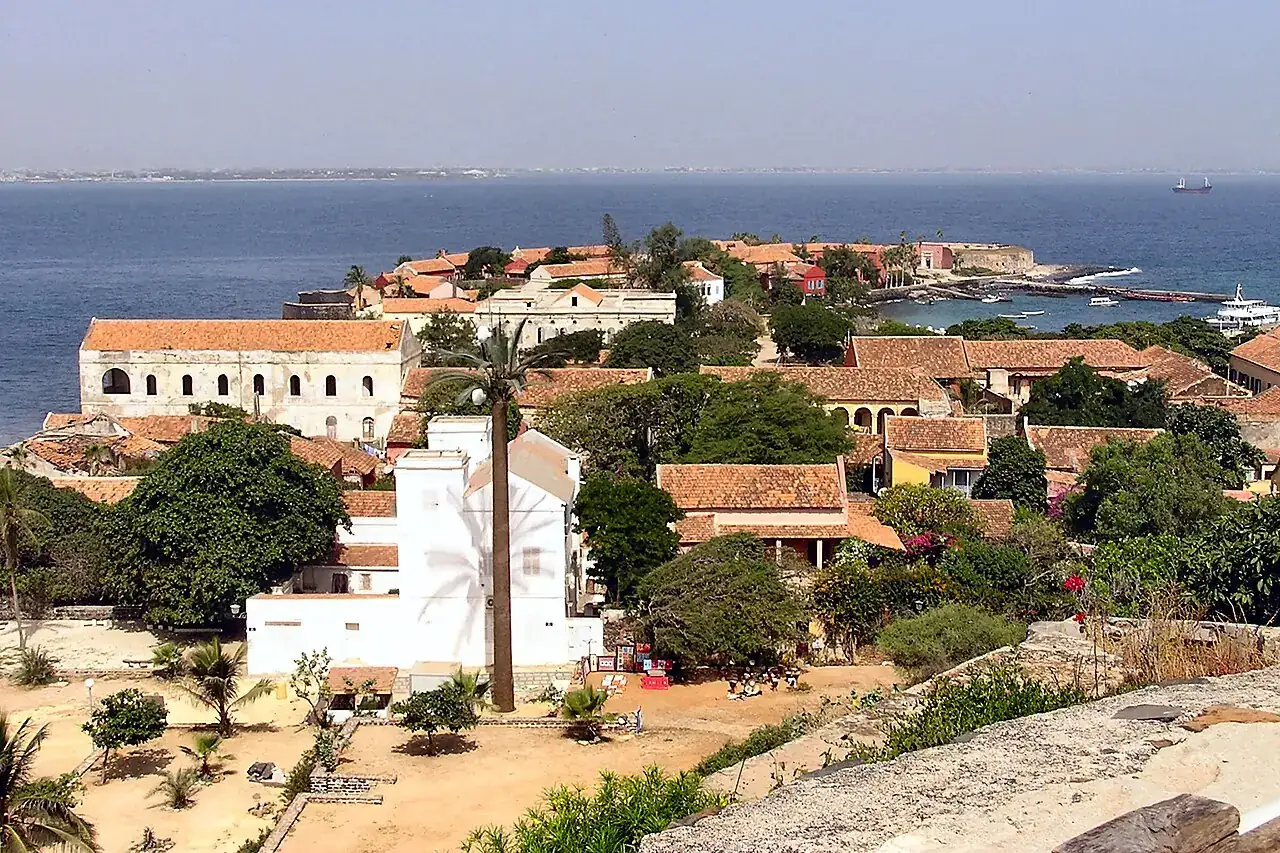 Photo: Manu25 · CC BY-SA 4.0
Published by Adama Doumbia, founder of Afrique Unie · updated 28 November 2026 · our method and sources
Six countries, six ways of life
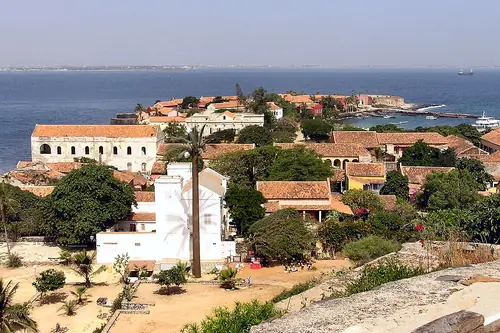
- Senegal: French-speaking, welcoming and famous for its teranga, Senegalese hospitality. Dakar has the jobs, hospitals and cultural life, while the Petite Côte around Saly and Mbour and the Casamance region appeal to those seeking peace and the sea. French gets you by, but a few words of Wolof open many doors.
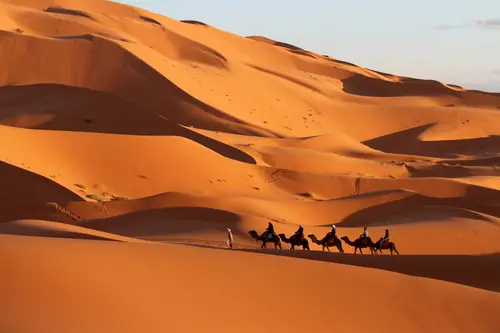
- Morocco: Close to Europe, well connected by air and with good roads and railways. Marrakech, Agadir, Essaouira, Tangier and Rabat each have a very different feel, from Agadir's near-constant sunshine to Tangier's cooler Atlantic air. French is widely understood in the cities, alongside Moroccan Arabic and Amazigh.
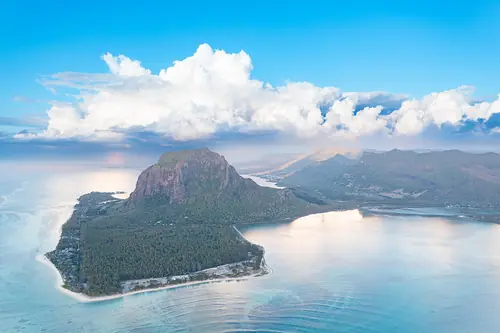
- Mauritius: A stable, safe and well-run island in the Indian Ocean where people speak Creole, French and English. The setting is enviable and the infrastructure solid, but life is more expensive than in the other countries on this list, especially coastal housing and imported goods.
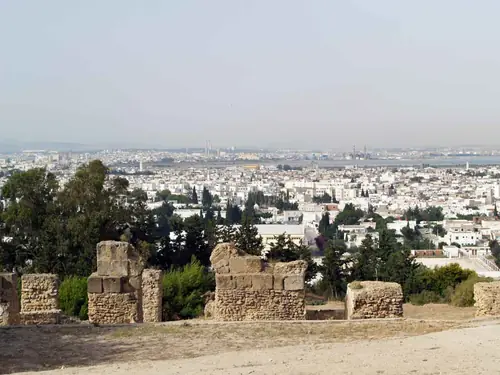
- Tunisia: A short flight from major European cities, with a Mediterranean climate, rich cuisine and a strong French-speaking tradition. Tunis and its northern suburbs, Sousse, Monastir, Hammamet and Djerba are already home to many foreign retirees.
- Côte d'Ivoire: A dynamic, business-minded country whose economic capital, Abidjan, is lively and has good private healthcare. It tends to attract working professionals and the diaspora more than retirees looking for quiet. The climate is hot and humid all year round.
- Cape Verde: A Portuguese-speaking archipelago off Senegal, with a dry, sunny climate, wonderful music and a relaxed way of life. Sal, Boa Vista and São Vicente are popular, but island life means limited healthcare and a heavy reliance on imported goods.
Cost of living: what is cheap and what is not
Living in Africa is not automatically cheaper than in Europe: it all depends on how you live. If you eat local food, shop at the market, use public transport and live like your neighbours, your outgoings can drop considerably. If you want to recreate your exact European lifestyle, costs rise quickly.
Usually affordable: fruit, vegetables, fish and seasonal produce, personal services such as household help, tailoring and repairs, shared transport and simple leisure activities. Often expensive, sometimes more so than in Europe: imported goods such as cheese, wine and certain food or cosmetic brands, household appliances, cars, electricity if you run air conditioning a lot, international schools and expatriate neighbourhoods.
The gap between city and countryside is often wide. Dakar, Abidjan, Casablanca and the Mauritian coast are far pricier than smaller towns and villages, which in turn offer fewer services, less healthcare and a narrower choice of goods. Before deciding, spend several weeks there outside the tourist season and keep a record of what you actually spend.
Residence permits: the basics by country
- General rule: Entering on a tourist visa or visa exemption does not give you the right to settle. To live in a country long term you need a residence permit, and the conditions (income, housing, insurance, criminal record) change regularly. Always check with the country's embassy or consulate and read your government's travel advice.
- Senegal: Foreigners settling long term apply for a resident card (carte de résident) from the immigration authorities. Required documents and processing times vary, so check with the Senegalese embassy before you go.
- Morocco: Beyond the period you may stay without a visa, you need to apply for a residence card (carte de séjour) from the relevant police authorities. Proof of income and of an address are usually among the documents requested.
- Mauritius: Mauritius offers residence permits for several profiles, including a Retired Non-Citizen status and permits for investors and workers, handled by the Economic Development Board. The retiree status notably requires you to transfer income regularly to a local bank account: check the current conditions on the official website.
- Tunisia, Côte d'Ivoire, Cape Verde: Each country issues its own residence card with its own rules. Only the country's authorities and its diplomatic missions are authoritative.
Healthcare: getting covered and knowing where to go
This is the first thing to sort out, especially after sixty. Leaving your home country to live outside Europe usually means losing your normal public health cover. French nationals can join the Caisse des Français de l'étranger (CFE), a voluntary social security fund that keeps them linked to the French system; British, Belgian, Swiss, Canadian and other residents should check with their own authorities. Most people moving abroad take out international health insurance, alone or as a top-up.
Standards of care vary widely. Capitals and large cities such as Dakar, Casablanca, Rabat, Tunis, Abidjan and the Port Louis area have well-equipped private clinics and specialists. Outside the big cities, options quickly become limited, and on Cape Verde's smaller islands you may need to be transferred to another island or abroad for major treatment.
Make sure your policy covers medical evacuation and repatriation, which is essential in the event of a serious accident. Think about your medication too: some drugs are hard to find or sold under other names, and malaria is present in Senegal and Côte d'Ivoire. A travel health consultation before you leave is a must.
Pensions, tax, banking and money transfers
State and private pensions can generally be paid abroad, either into an account at home or in your new country. Pension providers regularly ask for a life certificate proving you are still alive; if you do not return it, payments may be suspended. UK retirees should read the guidance on gov.uk: the UK State Pension only rises each year if you live in the EEA, Switzerland, Gibraltar or a country with a qualifying social security agreement with the UK. Other nationalities should check with their pension provider.
Some countries have social security agreements with African states. France, for instance, has bilateral agreements with Morocco, Senegal, Tunisia, Côte d'Ivoire and Cape Verde, which help coordinate the two systems for people who have worked in both. Their content varies, so check the details with Cleiss, the French public body that publishes them, or with your pension provider.
Tax is simple in principle but not in practice. Tax treaties generally prevent double taxation, but where your pension is taxed depends on the type of pension, your tax residence and the country you choose. Check with your tax authority before you leave, not afterwards.
Keep a bank account at home and open a local one once you have your residence permit. Compare the fees for international transfers, carry a back-up card and find out about currency exchange rules, which are stricter in some countries such as Morocco and Tunisia. Mobile money is widely used in Senegal and Côte d'Ivoire.
Housing: rent first, buy later
The advice repeated most often by those who have made the move: rent for at least six months to a year before buying. You will discover the area in the rainy season or the hottest months, the noise, any water or power cuts, the real distance to the nearest hospital, and whether you truly enjoy living there.
Rules on foreigners buying property vary greatly from country to country. Some allow foreigners to buy a home fairly freely but restrict certain types of land, such as farmland; in Mauritius, purchases by non-citizens are regulated: they mostly go through approved property schemes or require authorisation. Always have the title deed and the seller's rights checked by an independent notary or lawyer of your own choosing. Land disputes and plots sold several times over do happen, particularly when the land is not formally registered.
Be wary of buying remotely from photos and of intermediaries in a hurry. For the diaspora, sending money to a relative to build a house is a classic source of disappointment: arrange regular checks, dated photos, a professional on site and staged payments.
Everyday life and fitting in
The climate is often the main reason for moving, but get to know it in every season: the humid heat of Abidjan, Senegal's rainy season, the scorching summers inland in Morocco and Tunisia, the cyclone season in Mauritius. Choosing the coast or higher ground makes a real difference.
Language makes everything easier. French is enough in most situations in Senegal, Morocco, Tunisia, Côte d'Ivoire and Mauritius, and English is also widely spoken in Mauritius. In Cape Verde, Portuguese and Cape Verdean Creole dominate, so lessons before you leave are a very good idea. Everywhere, learning a few polite phrases in the local language is appreciated.
Avoid living only among expatriates. Clubs and associations, neighbourhood life, volunteering, sport or cookery classes all help you build connections. Respect local customs too: the importance of greetings, respect for elders, modest dress in some places and a strong sense of family solidarity. Patience is a precious quality when dealing with paperwork, which is often slower than in Europe.
Moving back home: advice for the diaspora
Returning after years in Europe or North America is often a long-held dream, but it needs as much preparation as any move abroad. Gather your civil records, renew your national identity documents, have your qualifications and employment records certified, and find out the rules for shipping and clearing your personal belongings through customs. Several countries have public services dedicated to their diaspora: ask your consulate.
Reverse culture shock is real. The country has changed, and so have you, and family and friends may have high expectations, including financial ones. Take time to find your place, observe before launching a project and rebuild a professional network. If you are still working, a long stay or an assignment on the ground lets you test the job market before leaving your job for good.
Finally, review your social rights: check your pension entitlement, how your pension will be paid and your health cover, making use of social security agreements where they exist.