AfriqueUnie
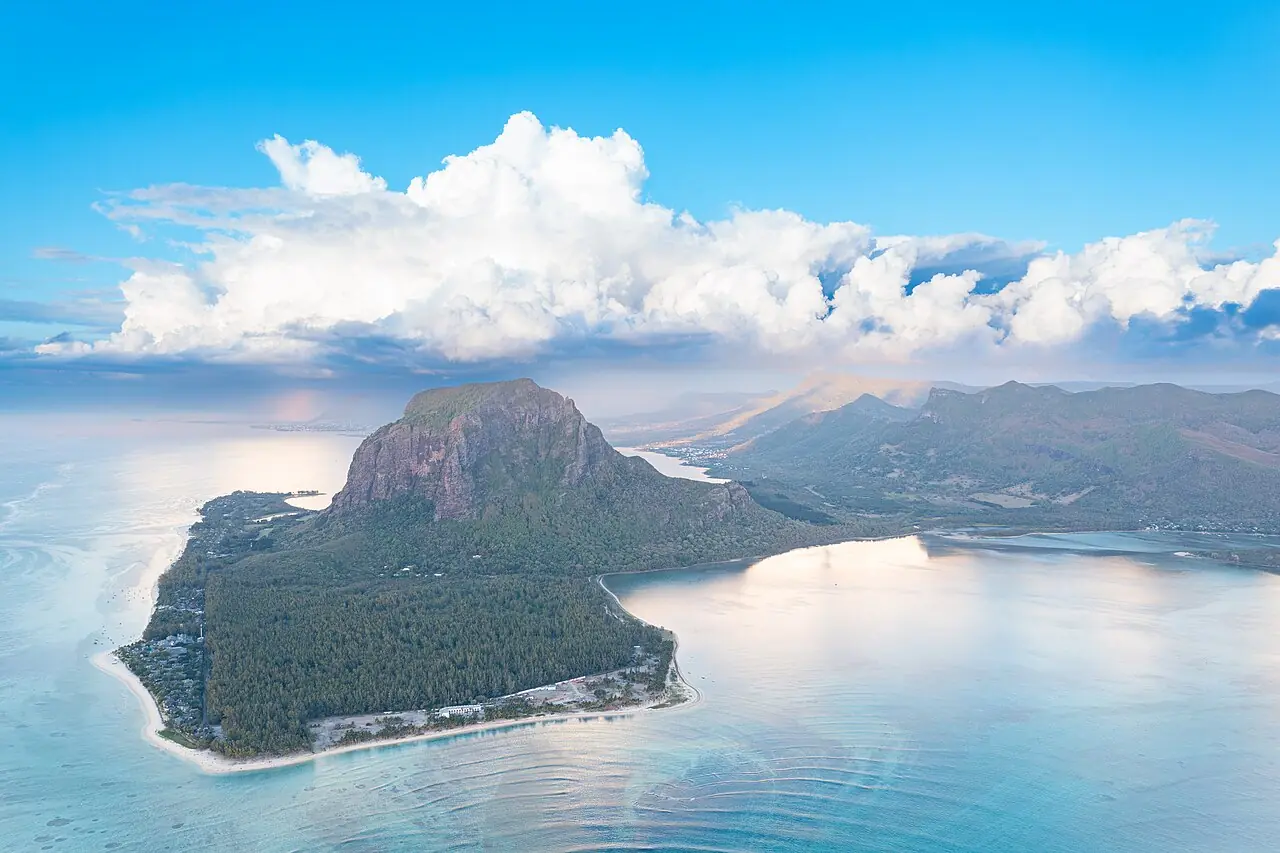 Photo: dronepicr · CC BY 2.0
Published by Adama Doumbia, founder of Afrique Unie · updated 28 November 2026 · our method and sources
The most family-friendly destinations
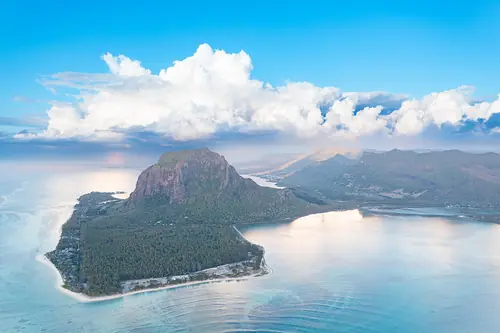
- Mauritius: Beaches sheltered by the coral reef, calm warm water and accommodation used to families: a safe bet, even with young children.
- Cape Verde: Relatively short flights from Europe, the beaches of Sal and Boa Vista, and easy hikes on Santo Antão for older children.
- Morocco and Tunisia: Close, varied and easy to organise. Children love the souks, camel rides and nights under canvas in the desert.
- Senegal: Dakar, car-free Gorée Island, pirogue trips in the Saloum Delta and the beaches of the Petite Côte make for a gentle trip with plenty of new sights.
- South Africa: Cape Town, the Garden Route and its beaches, penguins and reserves where you can go on a self-drive safari as a family, at your own pace.
- Namibia: For adventurous families: giant dunes, animals at the Etosha waterholes and quiet roads for a self-drive trip.
Finding the right pace
With children, less is more. Limit long journeys, stay at least two or three nights in each place and alternate busy days with quiet ones by the pool or on the beach. A week in one place, with a few excursions, often works better than a packed tour.
In the tropics, the heat is at its strongest in the middle of the day: plan visits for early morning and late afternoon, and keep midday for a nap or a swim. Choose accommodation with a shaded outdoor space, or even a pool: it is often what children talk about most when they get home.
Health and malaria: talk to a doctor
Book an appointment with your GP, paediatrician or a travel clinic at least a month before you leave. They will tell you which vaccinations each child needs for their age and the country, and what to do about malaria if your destination is affected.
Malaria is present across much of sub-Saharan Africa and can be serious in children. Some destinations, or some regions of a country, are free or largely free of it, which is an important factor when choosing a family trip. Wherever you go, protect children from mosquitoes from dusk onwards: covering clothes, a repellent suitable for their age on medical advice, and a mosquito net.
Take a small first-aid kit put together with your doctor, and buy travel insurance that covers medical costs and repatriation for the whole family.
Family safaris
A safari is often a child's dream, but it requires patience: long hours in a vehicle, early starts and staying quiet. It generally works best once a child can sit still and calm for several hours.
Minimum ages vary between lodges and activities. Some welcome families with private vehicles and dedicated activities, while others do not accept young children on open-vehicle game drives or walking safaris. Gorilla visits, in Rwanda and Uganda alike, are restricted to teenagers above a minimum age set by the parks. Always check the conditions before booking.
In South Africa, self-driving in certain parks and reserves lets you enjoy a safari at your own pace, stopping whenever the children need a break. Some reserves lie outside malaria areas: ask your doctor for advice.
Beaches and swimming
The lagoons of Mauritius, sheltered by the coral reef, offer calm water that is ideal for little ones. Elsewhere, especially on Atlantic coasts, waves and currents can be strong: swim at beaches that are supervised or recommended by your accommodation, and respect the flags.
The tropical sun is intense, so hats, UV-protective T-shirts and high-factor sun cream are essential, along with sandals for walking on coral or pebbles.
Practical tips
- Documents: Each child needs their own passport. Some countries ask for extra documents for minors, particularly if they are travelling with only one parent: check official websites.
- Accommodation: Family rooms or apartments are invaluable. Check for a secure pool and whether a cot is available.
- Food: Stick to sealed bottled water, fruit you can peel and well-cooked dishes. Bring a few familiar snacks for journeys.
- Transport: In many countries, car seats are not standard: ask for one when booking a hire car or a transfer.
- Keeping busy: A travel journal, binoculars and a wildlife guide make journeys and game drives far more exciting.