AfriqueUnie
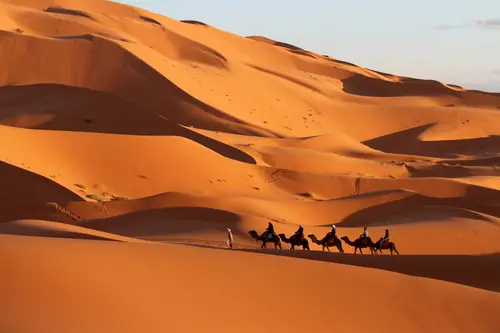
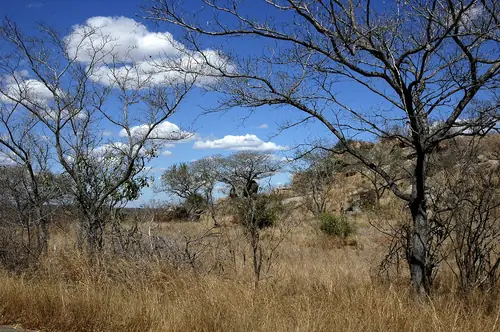
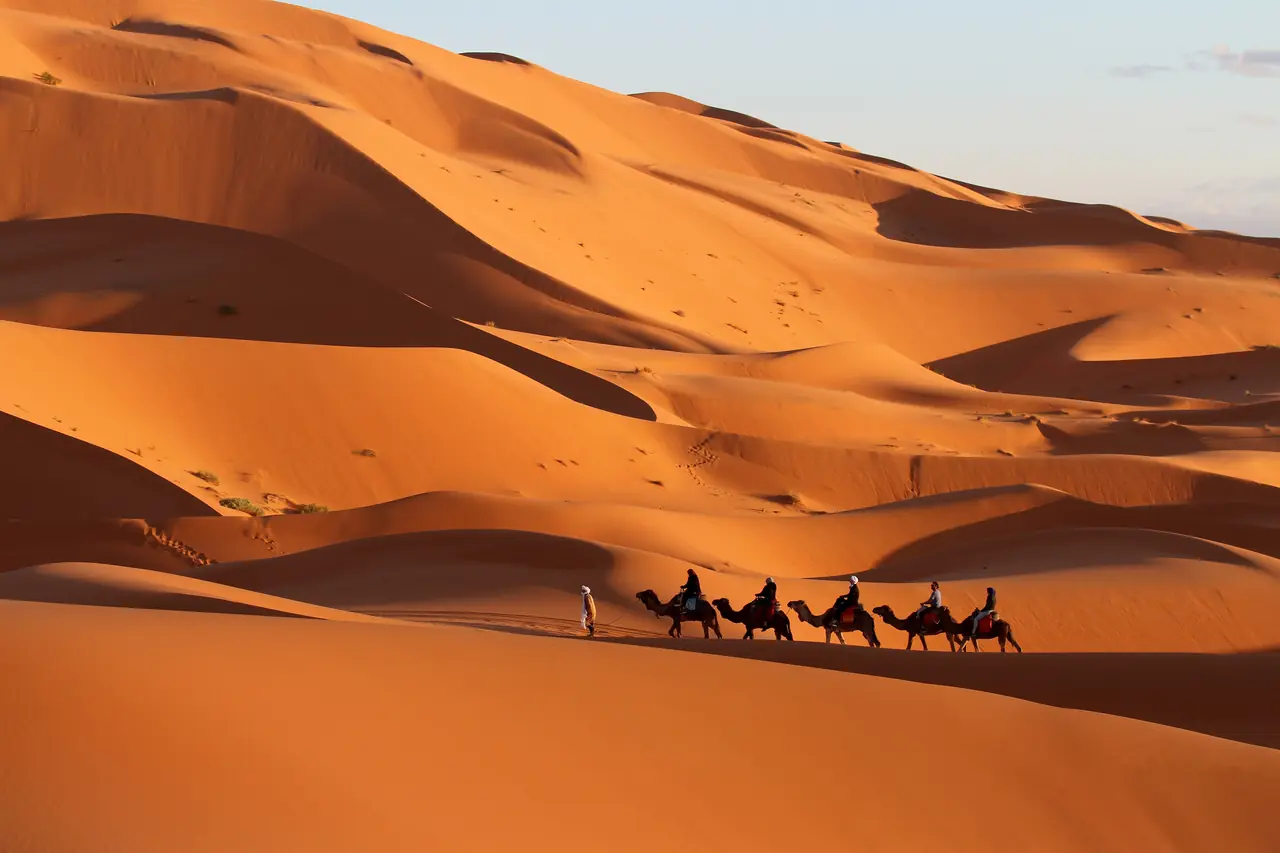 Photo: Merzougaloisirs · CC BY-SA 4.0
Published by Adama Doumbia, founder of Afrique Unie · updated 28 November 2026 · our method and sources
Why it matters in Africa
In many countries public hospitals are under-resourced, and private clinics often ask for payment or a guarantee before treatment. Away from the big cities, an accident in the bush may require medical transport, sometimes by air, to a capital or a neighbouring country.
These costs quickly run into thousands, even tens of thousands, of euros. Without insurance you pay them yourself. Good insurance pays or refunds medical costs, organises transport and gives you an assistance line that answers day and night.
What the policy should cover
- Medical and hospital costs: The core cover. Check the limit: prefer a high one, in the hundreds of thousands of euros or more, and check the excess.
- Repatriation and medical evacuation: Transport to a suitable hospital and then home should be covered at actual cost, without a low cap.
- 24-hour assistance: A number that always answers and can guarantee payment to a clinic. Save it in your phone and keep it on paper.
- Personal liability: If you accidentally cause harm to someone.
- Baggage and cancellation: Useful but secondary. Cancellation cover is usually bought when you book the trip.
Safaris, diving, trekking: check the exclusions
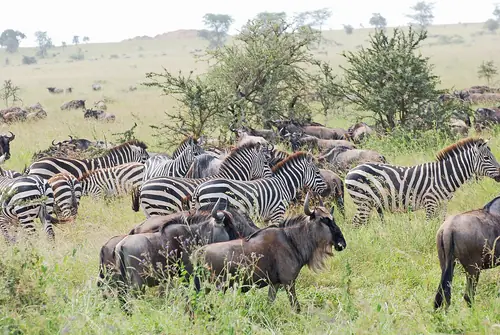
Many policies exclude some activities or cover them only as an add-on: scuba diving beyond a certain depth, high-altitude trekking such as climbing Kilimanjaro, hot-air ballooning, riding a motorbike. Read the exclusions and ask for an add-on if your plans include them.
Also check the maximum trip length and excluded countries: some insurers do not cover areas your government advises against all travel to.
Credit card or a dedicated policy?
Some premium credit cards include travel insurance, provided the trip was paid with the card. Medical limits, trip length and excluded activities vary a lot: ask your bank for the policy wording and compare it with what you need.
For a long trip, a safari or a holiday with sporting activities, a dedicated travel policy often gives better cover. If your card includes insurance, a top-up policy can fill its gaps.
Insurance and visas
Some countries or consulates ask for an insurance certificate before issuing a visa; this is often the case, for example, for a tourist visa to Algeria. The certificate usually has to cover medical costs and repatriation for the whole stay.
Requirements change and depend on the consulate: check the official list of documents before preparing your application.
Before you leave
- Compare at least two offers: Same dates, destinations and activities: compare limits, excesses and exclusions, not just the price.
- Keep your documents to hand: Policy, policy number and assistance number on your phone, offline, and on paper.
- Tell someone at home: Leave them a copy of your policy and your itinerary.
- Vaccines and medication: Insurance does not replace prevention: see a travel health clinic before you go, especially about yellow fever and malaria.