AfriqueUnie
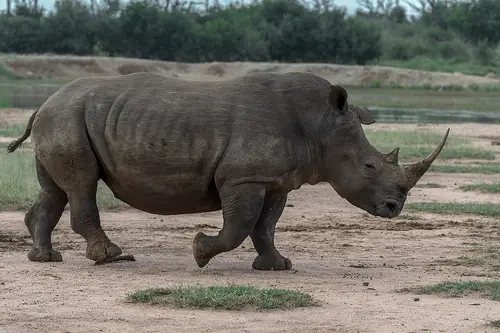
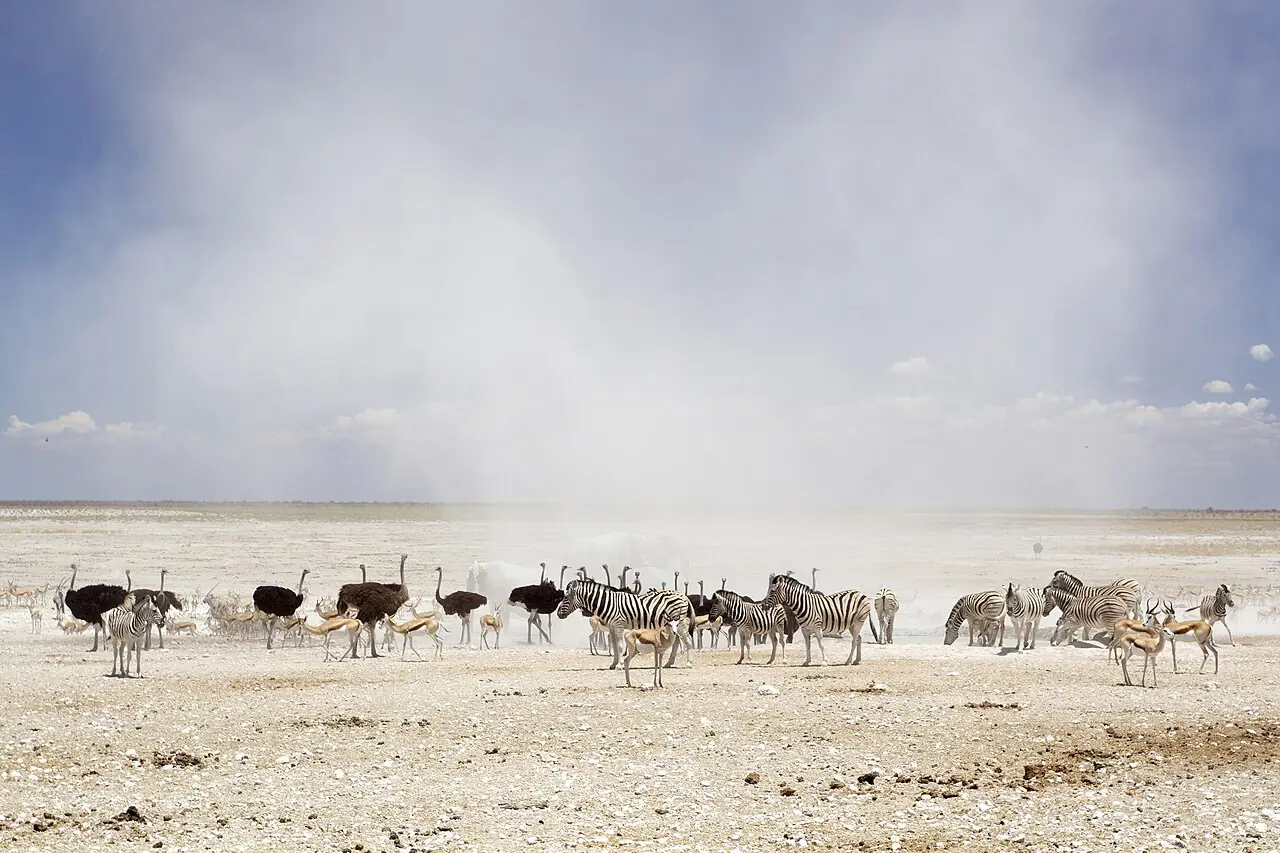 Photo: Yathin S Krishnappa · CC BY-SA 3.0
Published by Adama Doumbia, founder of Afrique Unie · updated 28 November 2026 · our method and sources
Why go
In northern Namibia, an immense pan of white salt stretches to the horizon, so vast that it can be seen from space. The Etosha Pan is almost always dry; all around it, the savannah and mopane thickets shelter one of the most accessible concentrations of wildlife on the continent: elephants dusted white, giraffes, zebras, springbok, oryx, wildebeest, lions and, above all, the black rhinos for which the park is a stronghold.
Etosha's magic lies in how simply it works: in the dry season, the animals have no choice but to come and drink at the springs and waterholes scattered along the tracks. All you have to do is take up position, engine off, and wait. The species then file past in turn, each with its own codes: elephants chasing the others away, nervous zebras, lionesses appearing out of nowhere. The park is easy to explore in an ordinary car, on well-maintained gravel roads.
Getting there
Etosha is about four to five hours' drive on tarred roads north of Windhoek. You enter through Andersson Gate in the south, near Okaukuejo camp, or through Von Lindequist Gate in the east, near Namutoni. Galton Gate, in the west, opens onto a wilder area. The public rest camps inside the park and many lodges just outside let you spend several nights. You must respect the gate opening times, between sunrise and sunset.
Frequently asked questions
Can you visit Etosha by car without a guide?
Yes, Etosha is one of the easiest parks in Africa to explore on your own: the gravel roads are well maintained and suitable for an ordinary car. You may not get out of your vehicle except in camps and designated areas, and speed limits apply. Guided drives, including at night, are offered from the camps.
What are Etosha's opening hours?
The park and camp gates open at sunrise and close at sunset, with times that vary by month. You must be inside your camp or out of the park before closing time. Times are posted at the gates and in the camps.
Which waterholes are floodlit at night in Etosha?
Okaukuejo, Halali and Namutoni camps each have a floodlit waterhole that you can watch on foot from inside the camp. Okaukuejo's is the most famous, and black rhinos often come to drink there in the evening. You need to stay in the camp to enjoy it after the gates close.
Is there malaria in Etosha?
Northern Namibia, including the Etosha area, carries a malaria risk, mainly during the rainy season, roughly November to April. See a doctor before travelling to find out whether preventive treatment is advised. Protect yourself from mosquitoes in the evening.
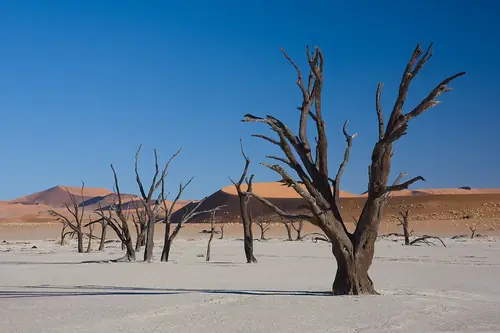
How long does it take to get from Etosha to Sossusvlei?
The two sites are far apart: allow a long day's drive, via Windhoek or through Damaraland. Most itineraries include stops along the way, such as Damaraland or Swakopmund. Avoid driving after dark because of animals on the road.
 Botswana
 Eswatini