AfriqueUnie
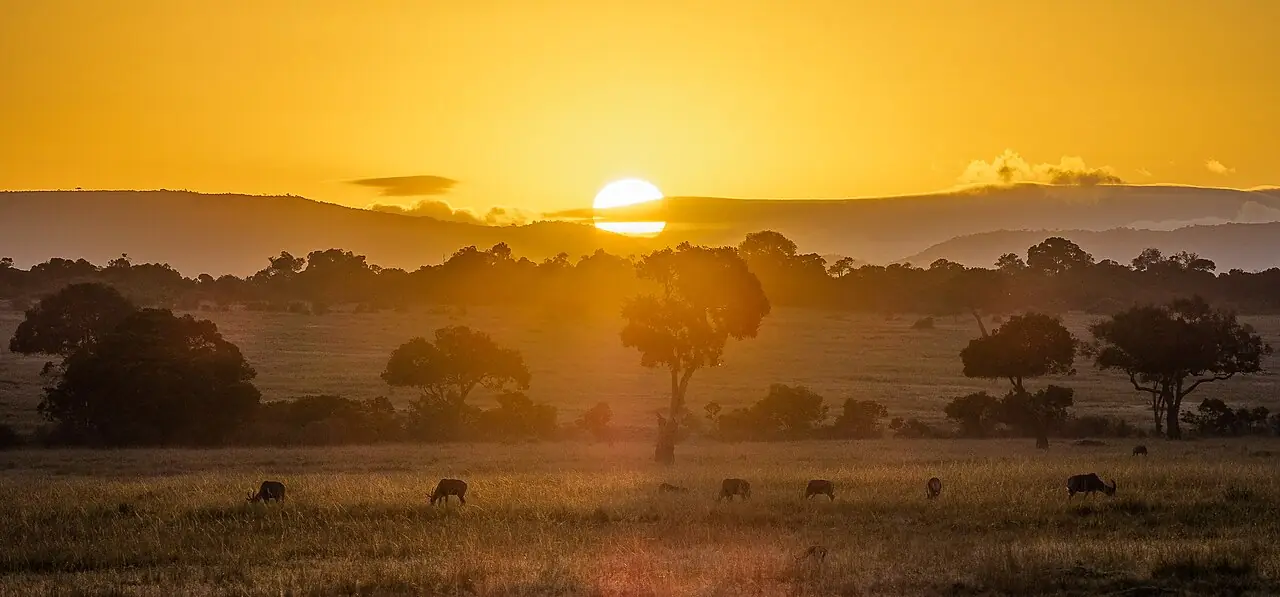 Photo: Danijel Mihajlovic · CC BY-SA 4.0
Published by Adama Doumbia, founder of Afrique Unie · updated 28 November 2026 · our method and sources
Why travel differently in Africa
Tourism is one of the main sources of income for many African countries. In Rwanda, for example, it is the largest source of foreign exchange. Yet part of the money travellers spend often leaves the country again. Responsible travel is about making sure that a bigger share of what you spend stays where it belongs, in the hands of local people.
It is also a matter of conservation. In many regions, wildlife shares the land with herders and farmers. When the communities living next to a park earn an income from tourism, they have every reason to protect the animals rather than see them as a threat to their livestock or crops. At Bwindi, in Uganda, where the creation of the park in 1991 caused serious tensions with neighbouring communities, sharing part of the tourism revenue aims to ease them.
Finally, travelling responsibly means respecting the cultures you discover. None of this requires giving up comfort or enjoyment: it is mostly about making informed choices.
Choosing where to stay: what a genuine commitment looks like
- The word "eco-lodge" is not enough: The term is not protected: any property can use it. Ask precise questions before you book; a serious place will be happy to answer them.
- Energy: Solar panels, solar water heaters, modest lighting, little or no generator use at night: in remote areas, energy is a good indicator.
- Water: Where water is scarce, ask how it is sourced and treated: rainwater harvesting, grey-water recycling, composting toilets, filtered-water stations to refill your bottle.
- Local jobs: Who works there, and in what roles? A good sign is people from the area working not only in housekeeping or the kitchen, but also as guides, managers and supervisors.
- Revenue sharing: At best, the community owns the land or the property, or receives a share of the takings, a lease fee or a per-night levy. Ask how that money is shared out and what it pays for: schools, clinics, wells, anti-poaching patrols.
- Waste and sourcing: Sorting and composting waste, no single-use plastic bottles, food bought from nearby farmers and craftspeople: all signs of a consistent approach.
- Labels: There are more than fifty tourism eco-labels worldwide, of varying quality. Recognised benchmarks include Green Key, an international label for accommodation; the criteria of the Global Sustainable Tourism Council (GSTC), the global reference used to accredit certification bodies; and, in Kenya, the Ecotourism Kenya eco-label. A label is a clue, not a guarantee: many excellent small operations have none.
Community tourism, country by country
- Kenya: the Maasai Mara conservancies: A conservancy is a conservation area set up on private or community land. To the north and east of the Maasai Mara National Reserve, neighbouring Maasai landowners have pooled their land and lease it to safari operators in return for a fee or a share of the profits. The number of beds and of vehicles allowed at a sighting is strictly limited, and walking safaris and night drives, not permitted in the reserve, are possible. The model has its limits: some landowners feel they do not receive their fair share.
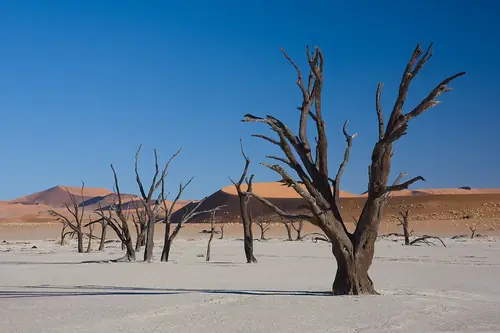
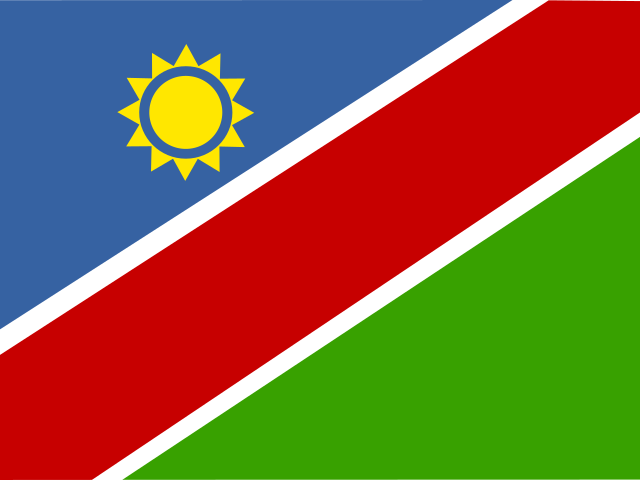
- Namibia: communal conservancies: Since a 1996 law, rural communities in Namibia have been able to set up conservancies on communal land and manage wildlife and tourism themselves. The income must go back to the community. They include community campsites, villages open to visitors and craft workshops.
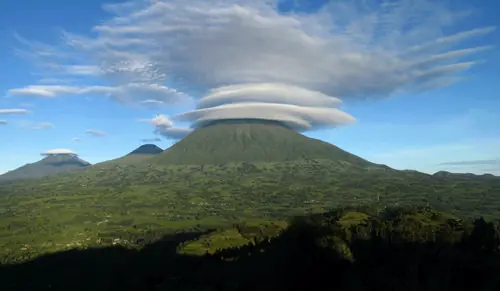
- Rwanda: sharing park revenue: The Rwandan government gives communities living around the national parks a share of annual tourism revenue: 5% from 2005, rising to 10% in 2017. Around Volcanoes National Park, local cooperatives and associations offer cultural visits, crafts and guided walks.
- Uganda: Bwindi and its villages: Communities around the Bwindi forest receive part of the park's revenue. For village visits, choose those that genuinely involve the Batwa, the Indigenous people evicted from the forest when the park was created, in running them and in sharing the benefits.
- Senegal: the village camps of Casamance: Casamance is where the first self-managed village camps were born, from the 1970s: simple lodgings built and run by local people, with the profits going to the village. Check your government's travel advice before heading to Casamance.
- Morocco: mountain guesthouses and cooperatives: In the Atlas, village guesthouses and treks with local guides and muleteers support entire valleys. In the south-west, argan oil cooperatives, often run by women, let you buy directly from the producers.
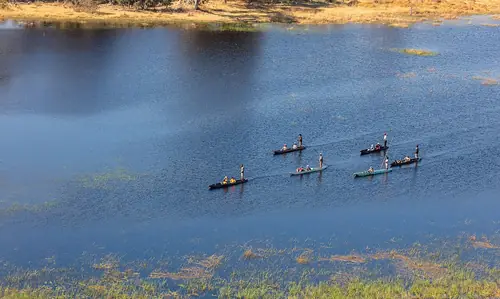
- Botswana, Tanzania, Madagascar: Botswana also relies on community-based natural resource management, but, according to several studies, much of the tourism income from the Okavango Delta goes to foreign companies: again, ask questions. In Tanzania, some villages offer cultural visits led by their residents. In Madagascar, several parks, such as Andasibe-Mantadia, can only be visited with a local guide, which directly supports nearby villages.
Watching wildlife without disturbing it
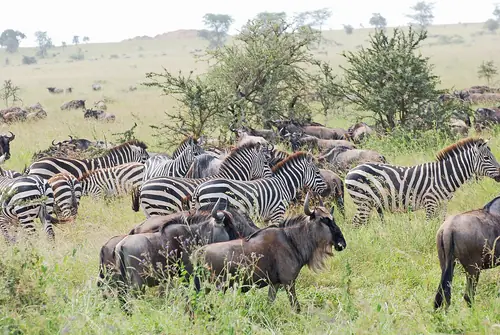
Rule number one: no interaction with wild animals. No selfies with a "tame" cheetah, no walking with lions, no bottle-feeding lion cubs. In South Africa in particular, private farms breed lions in captivity; many animal welfare organisations warn that cubs petted by tourists often end up, as adults, in canned hunting or the lion bone trade. A genuine sanctuary does not let visitors touch the animals and does not breed big cats.
On safari, vehicles should stay on the tracks, except in areas where off-road driving is explicitly allowed and supervised. Keep your distance, switch off the engine near animals, speak quietly and never ask your guide to get closer for a photo. Do not feed any animal, monkeys included, and never bring home souvenirs made from protected species (ivory, tortoiseshell, coral).
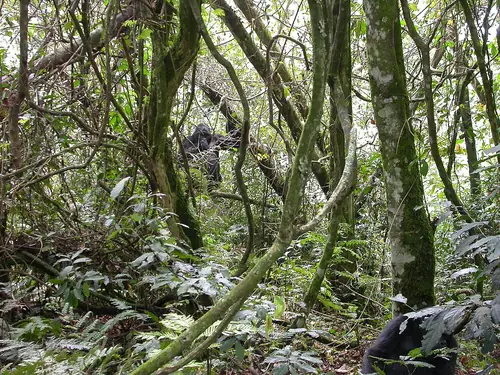
Mountain gorilla trekking in Rwanda and Uganda follows strict official rules set by the park authorities. Group sizes and viewing time are limited, and a distance of at least seven metres (sometimes more, depending on current rules) must be kept between people and gorillas. The reason is health: gorillas are highly vulnerable to human illnesses, especially respiratory ones. If you are unwell, even with a simple cold, say so and give the visit a miss. Always follow the trackers' instructions. A minimum age applies: check the current rules with the relevant park authority.
Photos, children and respect for people
Always ask before photographing someone, with a gesture or a few words in the local language, and accept a refusal without insisting. Avoid photographing children without a parent's consent, and never post images of children in distress or poverty.
Do not hand out sweets, pens or coins to children you meet. It encourages them to beg from travellers, sometimes at the expense of school. If you would like to help a school, go through the head teacher, a recognised local association or the community organisation hosting you.
Learn the local customs: covered clothing in places of worship, how to greet people, using the right hand to give and receive. Choose village visits where residents tell their own stories over those where they serve as a backdrop.
Spending locally: guides, craftspeople and neighbourhood eateries
The most direct way to support the local economy is to buy local. Hire guides from the area, ideally licensed or recommended by the tourist office or the park authority. Their pay stays in the community.
Buy crafts directly from the makers, in workshops, cooperatives or markets, rather than in airport shops. If you haggle, stay courteous. Eat in small neighbourhood restaurants, use local transport when it is safe to do so, and tip trackers, guides and lodge staff according to the customs you are told about.
For an organised tour, choose an operator based in the country and ask what share of the trip goes to guides and communities.
Waste, plastic and water
- Rwanda: Plastic bags are banned under a law that came into force in 2008, and the ban is strictly enforced.
- Kenya: Since 28 August 2017, the manufacture, import and use of plastic bags have been banned, with some of the toughest penalties in the world. Since June 2020, single-use plastics have also been banned in national parks, beaches, forests and conservation areas.
- Tanzania and Morocco: Zanzibar banned plastic bags as early as 2005, and the ban has applied to the whole of Tanzania since 1 June 2019. Morocco banned the manufacture and sale of plastic bags in 2016.
- In your luggage: Remove plastic bags from your luggage before you leave, including shopping bags; use cloth bags instead. Bring a filter water bottle and take home batteries and other waste that is hard to deal with locally.
- Water, a scarce resource: In dry regions, every litre counts. Take short showers and reuse towels and sheets. From 2015, and above all in 2017-2018, Cape Town faced a water crisis so severe that the city planned for a "Day Zero" when the taps would be turned off: a reminder of how fragile this resource is in the south of the continent.
Voluntourism, orphanages and carbon offsetting
Voluntourism, those trips of a few weeks sold as humanitarian volunteering, is heavily criticised. Volunteers are often unqualified for the tasks on offer and sometimes take work that local people could do. If you want to get involved, choose longer placements that match your skills, with reputable organisations.
Orphanage visits and volunteering with children in care raise an even more serious problem. Orphanage tourism is widely condemned: it has been described as turning children into commodities, exposed to strangers with a risk of abuse. In several countries, a large share of children living in orphanages have at least one living parent, and the influx of volunteers can even encourage the creation of fake orphanages. Child protection advocates recommend never visiting an orphanage as a tourist and supporting programmes that help families keep their children instead.
Then there is the flight, often the biggest part of the carbon footprint of a trip to Africa from Europe or North America. Let us be honest: offsetting is no substitute for cutting emissions. Many offset projects have been criticised for overstating their benefits. Start by reducing: travel less often but for longer, choose direct flights, limit domestic flights. Only then choose projects certified to recognised standards, as a contribution rather than a way of cancelling out your emissions.