 AfriqueUnie
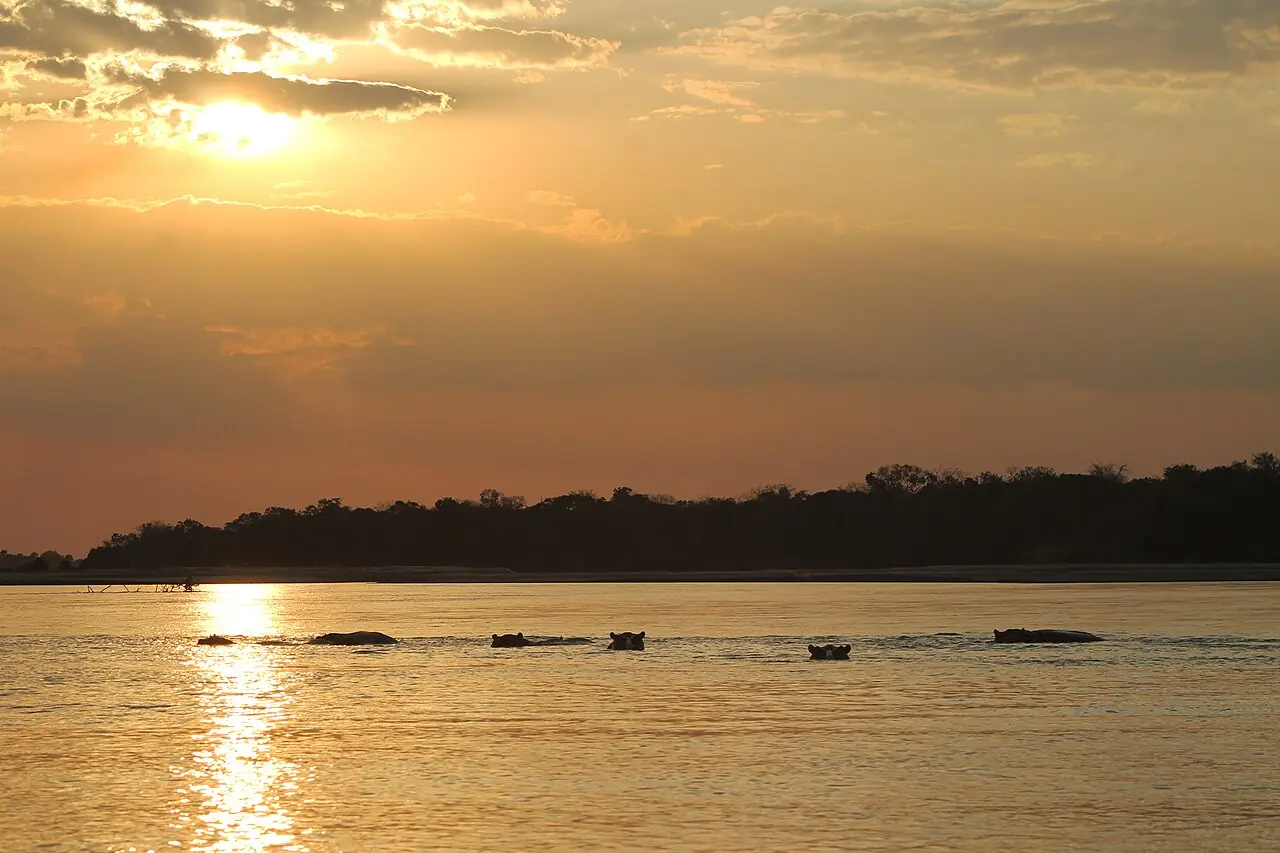 Photo: istolethetv · CC BY 2.0
Published by Adama Doumbia, founder of Afrique Unie · updated 28 November 2026 · our method and sources
Why go
In southern Tanzania, Nyerere National Park was created in 2019 from the northern part of the former Selous Game Reserve, one of Africa's largest protected areas, a UNESCO World Heritage Site since 1982. Covering about 30,000 square kilometres, it is one of the largest national parks on the continent. Yet visitors concentrate in a limited sector along the Rufiji river, so you rarely meet other vehicles.
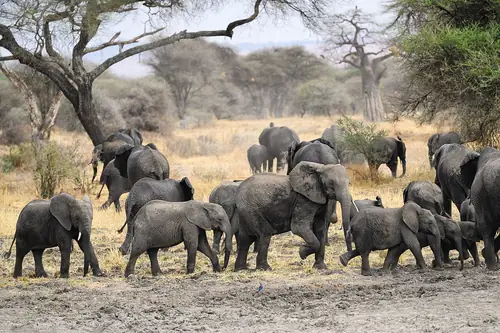
The Rufiji and its string of lakes, lined with borassus palms and dead trees, give the park its character. Safaris here are by vehicle, but also by boat, close to hippos, crocodiles and water birds, and on foot with armed guides, something impossible in many northern parks. Elephants, giraffes, buffalo, lions and leopards are present, and the park holds one of Africa's most important populations of African wild dogs. The reserve has, however, suffered from poaching, which has placed it on the List of World Heritage in Danger, and a large hydroelectric dam has been built on the Rufiji.
Getting there
Most visitors arrive by light aircraft from Dar es Salaam, in just under an hour, or from Zanzibar, landing on the airstrips that serve the camps. The road from Dar es Salaam takes about six to seven hours, partly on dirt tracks. The camps, few in number and often small, organise all activities. The park combines perfectly with a beach stay on Zanzibar.
Frequently asked questions
What is the difference between Selous and Nyerere National Park?
Nyerere National Park was created in 2019 from the northern part of the former Selous Game Reserve, and that is where the camps and tourist activities are. The rest of the Selous Game Reserve remains to the south. This is why the park is still often called Selous.
How do you get to Nyerere National Park?
Most visitors arrive by light aircraft from Dar es Salaam or Zanzibar, in under an hour, landing on airstrips that serve the camps. By road, allow about six hours from Dar es Salaam, with the last stretch on a gravel track. France Diplomatie strongly advises against driving outside towns at night in Tanzania.
What activities can you do in Nyerere National Park?
You can go on game drives, take boat safaris on the Rufiji close to hippos, crocodiles and water birds, and walk with armed guides. The camps organise all activities, so book boat trips and walks when you book your stay. The park is also one of the best places in Africa to see African wild dogs.
When is the best time to visit Nyerere National Park?
From June to October, in the dry season, animals gather around water and the tracks are passable. During the long rains, roughly March to May, some camps close. Stay at least three nights to enjoy the full range of activities.
What health and safety precautions should you take in Nyerere?
The park is a malaria area and tsetse flies are present, so antimalarials, repellent and light-coloured clothing are essential. The tourist area along the Rufiji is under increased vigilance, but France Diplomatie advises against all but essential travel to Lindi and Ruvuma regions, which the park touches in the south. Stay within the areas organised by your camp.

 Kenya
 Rwanda