 AfriqueUnie
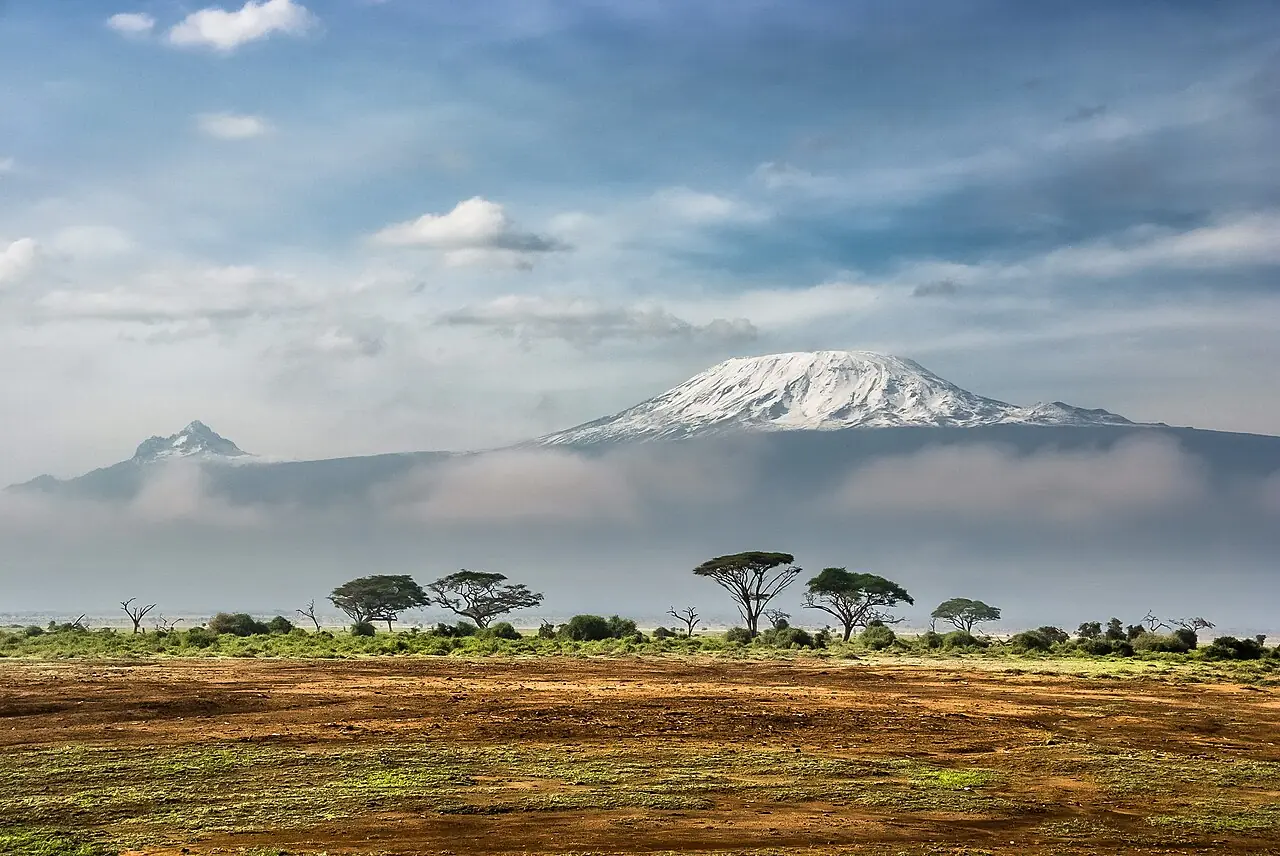 Photo: Sergey Pesterev · CC BY-SA 4.0
Published by Adama Doumbia, founder of Afrique Unie · updated 28 November 2026 · our method and sources
Why go
At 5,895 metres, Kilimanjaro is Africa's highest peak and the highest free-standing mountain in the world. It is a great volcano made up of three cones, the tallest of which, Kibo, is still capped by rapidly retreating glaciers. What makes it unique is that it requires no technical mountaineering skills: with good fitness, preparation and time to acclimatise, ordinary walkers can reach Uhuru Peak on the crater rim.
The climb is a journey through different worlds. You set off through farmland and tropical rainforest, home to colobus monkeys, before crossing a moorland of giant heathers, then an alpine desert where astonishing giant groundsels and lobelias grow, and finally a mineral landscape of rock and ice. On summit night you walk by head torch in the cold, arriving at sunrise, when the glaciers catch fire and the clouds spread out below you.
Getting there
The usual base is the town of Moshi, about an hour from Kilimanjaro Airport, or Arusha. The climb must be made with a licensed guide and a team of porters, on one of the official routes: Marangu, with its huts, Machame, Lemosho, Rongai or the Northern Circuit. Allow between five and nine days depending on the route.
Frequently asked questions
Do you need mountaineering experience to climb Kilimanjaro?
No, the standard routes are a long high-altitude trek that requires no ropes or ice axe. The real challenge is altitude: above 5,000 metres the air is thin, and acute mountain sickness can affect anyone, however fit. The slow pace set by the guides and a reasonably long itinerary are your best allies.
Can you climb Kilimanjaro without a guide?
No, the national park requires every climber to be accompanied by a licensed guide and a support crew, usually booked through a local operator. Park fees and camping or hut nights are normally included in the package. Check that your operator follows recognised guidelines on the fair treatment of porters.
Is there a minimum age for climbing Kilimanjaro?
Yes, the minimum age generally applied for summit climbs is 10, with younger children limited to lower-altitude walks unless special permission is granted. There is no upper age limit, but medical advice is strongly recommended, especially if you have heart or breathing problems. Ask your operator about the rules in force when you book.
Is it very cold at the summit of Kilimanjaro?
Yes, summit night is usually below freezing, and the wind can make the cold biting even in fine weather. Pack layers: thermal base layers, a fleece, a down jacket, a waterproof shell, a warm hat, warm gloves and over-mitts. Lower down, by contrast, you walk through humid forest heat, so you need to be able to adapt.
What is there to do near Kilimanjaro after the climb?
Many travellers continue with a safari in northern Tanzania, to Ngorongoro, the Serengeti or Tarangire, starting from Arusha. Others head to the beaches of Zanzibar on a domestic flight to rest. Around Moshi, coffee farms and waterfalls on the lower slopes make easy day trips.
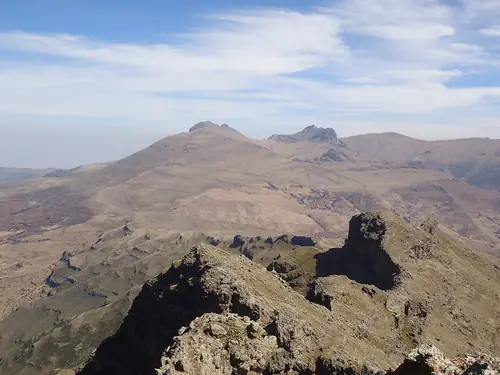
 Ethiopia
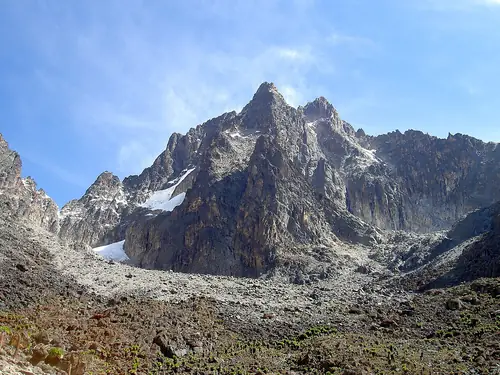
 Kenya
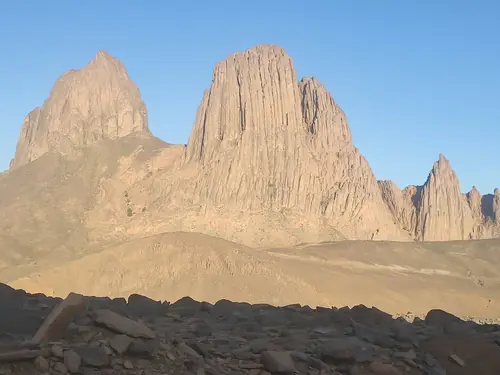
 Algeria
 Angola