 AfriqueUnie
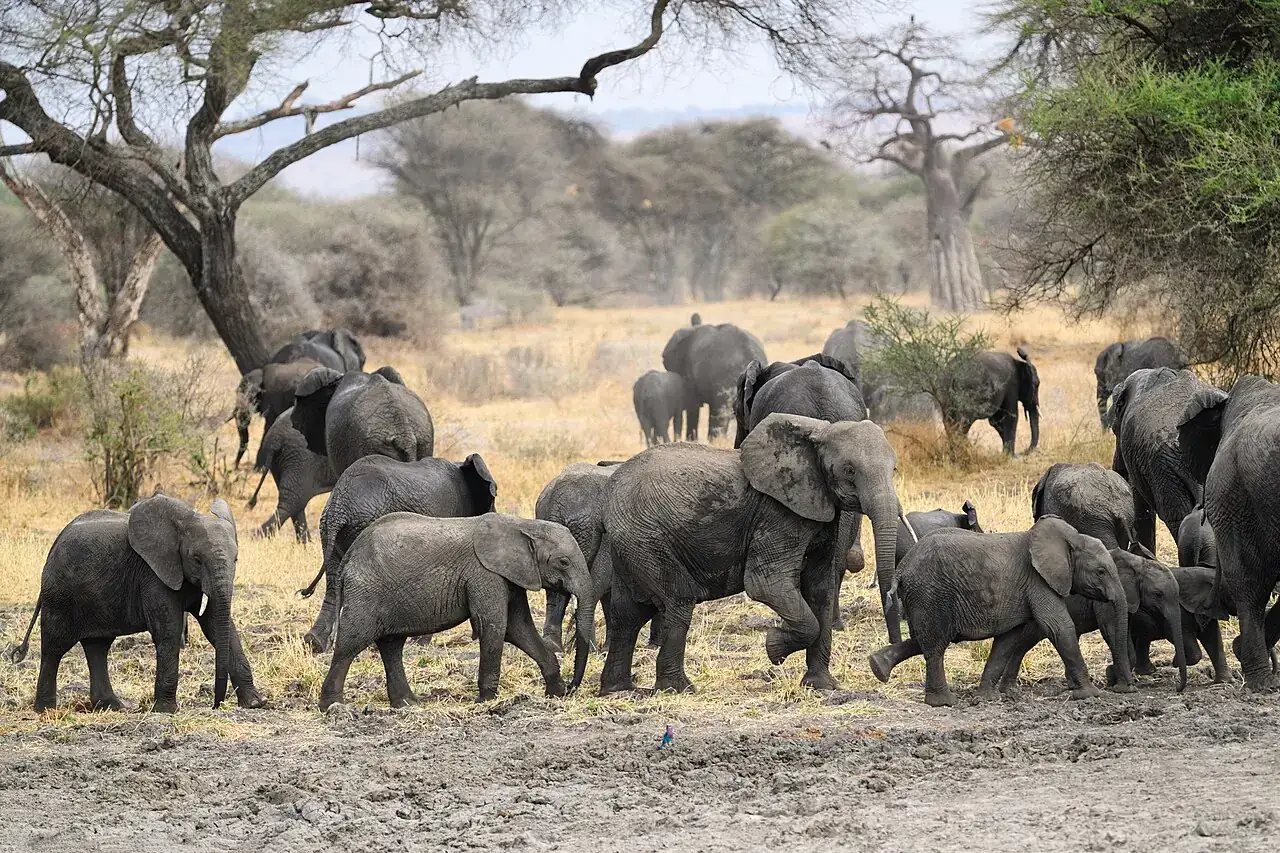 Photo: Eric Kilby · CC BY-SA 2.0
Published by Adama Doumbia, founder of Afrique Unie · updated 28 November 2026 · our method and sources
Why go
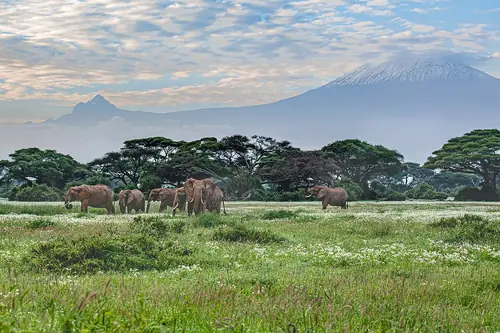
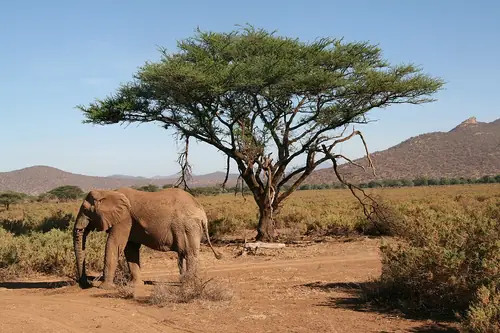
Two hours by road from Arusha, Tarangire National Park, covering about 2,850 square kilometres, takes its name from the river that runs through it from south to north. In the dry season, when the rest of the region runs short of water, it becomes the only permanent source for miles around, and wildlife pours in: zebra, wildebeest, buffalo, eland, impala and above all elephants, seen in some of the largest herds in northern Tanzania.
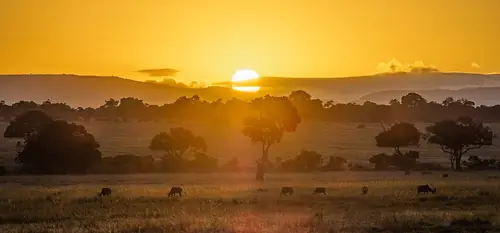
The landscape is one of the most photogenic in the country: gigantic baobabs, some of them several centuries old, dot the golden grass savannah, alongside umbrella acacias and swamps where buffalo wallow. Lions, leopards and pythons live here, and the park counts several hundred bird species. Less crowded than the Serengeti or Ngorongoro, Tarangire often offers quieter sightings, and some camps run walking safaris or night drives in the adjoining areas.
Getting there
The park lies about 120 kilometres south-west of Arusha on a tarred road, a drive of around two hours; light aircraft also serve its airstrips. It is often the first stop on the northern circuit, before Lake Manyara, Ngorongoro and the Serengeti. Lodges and tented camps are found inside the park and on its edges, in the neighbouring conservation areas.
Frequently asked questions
When can you see the most elephants at Tarangire?
During the dry season, from June to October, when the Tarangire River remains one of the only sources of water in the area. Elephants then gather in large herds, along with zebra, wildebeest and buffalo. In the rainy season the animals disperse outside the park, but the landscapes are green and birdlife is abundant.
Can you visit Tarangire as a day trip from Arusha?
Yes, the park is about two hours' drive from Arusha, which makes a day trip possible. You do need to leave early and get back before dark, so it is a fairly long day. A night in a camp inside or on the edge of the park lets you enjoy sunrise and sunset, the best times for wildlife.
Can you do a walking safari at Tarangire?
Walking safaris and night drives are mainly offered by some camps in the conservation areas next to the park, with an armed guide. Inside the park itself, game viewing is essentially done by vehicle. Ask your accommodation which activities are permitted.
Are there tsetse flies at Tarangire?
Yes, they are present in some wooded areas of the park. Their bite is painful, and they are attracted to dark colours, especially dark blue and black. Wear light-coloured, covering clothes and use insect repellent.
Which parks can you combine with Tarangire?
Tarangire is often the first stop on Tanzania's northern circuit. It is usually followed by Lake Manyara, the Ngorongoro Crater and then the Serengeti. Allow one or two nights at Tarangire rather than rushing through.
 Kenya
 Rwanda