AfriqueUnie
 Photo: Ikiwaner · GFDL 1.2
Published by Adama Doumbia, founder of Afrique Unie · updated 28 November 2026 · our method and sources
May opens the main safari season in southern Africa. In Namibia, Botswana, Zimbabwe and Eswatini the rains have stopped, temperatures are falling and the landscapes are still green. Nights turn cold in the desert and on the plateaus, but the days are bright and pleasant. At Victoria Falls, the Zambezi is usually close to its highest level: the sight is powerful, even if the spray sometimes hides part of the falls. In Botswana, the annual floodwaters from Angola usually begin to spread into the Okavango Delta just as the dry season sets in.
In East Africa the long rains usually continue for much of the month in Kenya and Tanzania, and the Gulf of Guinea coast enters its main rainy season, from Abidjan to Accra. North Africa, on the other hand, enjoys a late spring that is still mild on the coast, before the fierce summer heat inland. In Senegal, Cape Verde and the Gambia, the dry season lasts a few more weeks before the first rains of June or July. In Rwanda and Uganda, the rains often ease towards the end of the month.
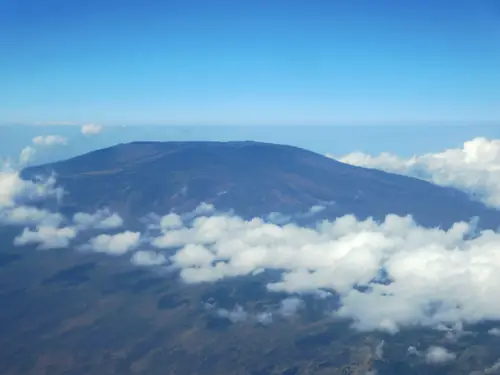
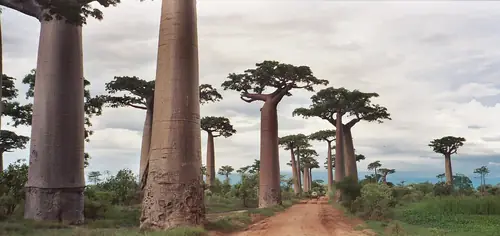
In the Indian Ocean, Mauritius, the Comoros and Madagascar move into their southern winter: less humid heat, less rain and a sea that is still warm. As for events, the Saint-Louis Jazz Festival in Senegal usually takes place between May and June, and MTN Bushfire brings musicians and artists to the Malkerns Valley in Eswatini at the end of May. May bank holidays are a chance for a short break in Morocco or Tunisia. Before the European summer, prices are often still moderate.
 Namibia
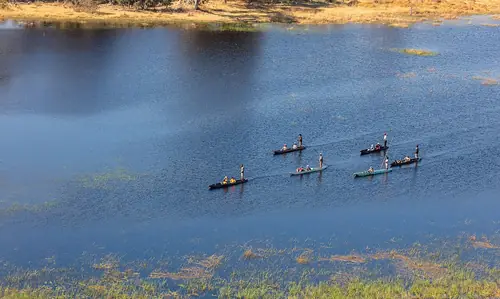
 Botswana
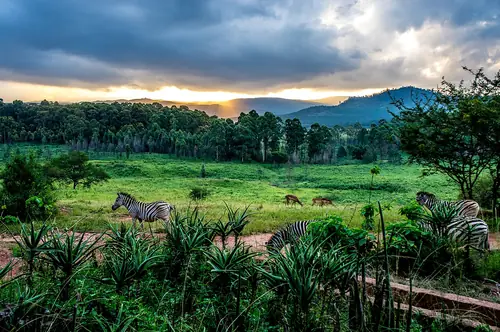
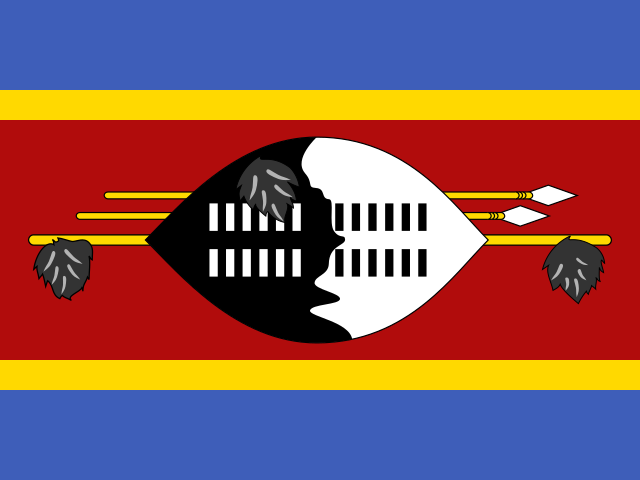 Eswatini
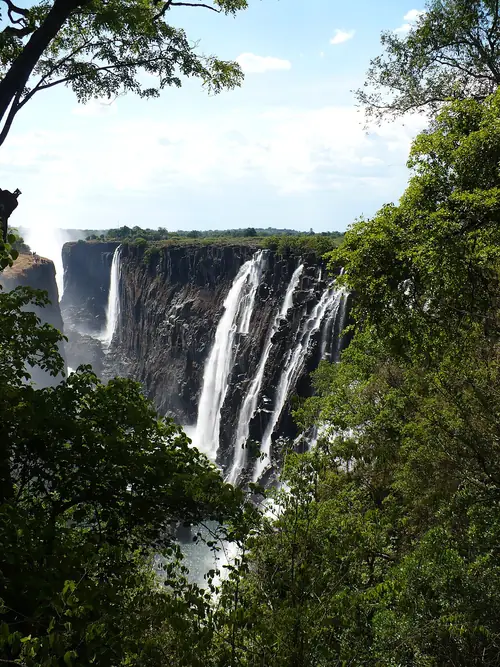
 Zimbabwe
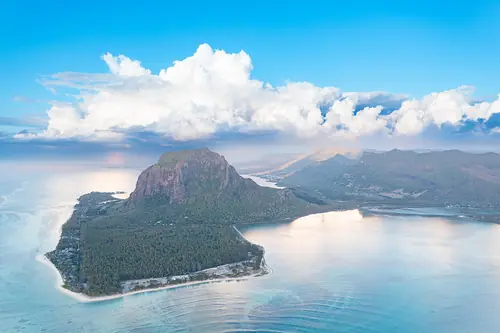
 Mauritius
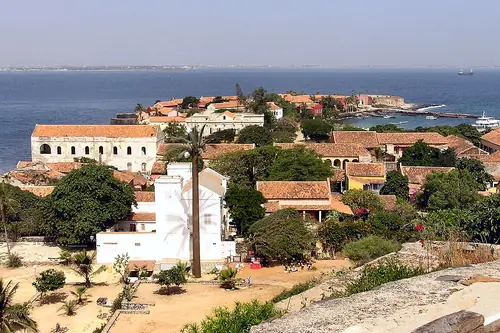
 Senegal
 Kenya
 Côte d'Ivoire
 Morocco
 Cape Verde