 AfriqueUnie
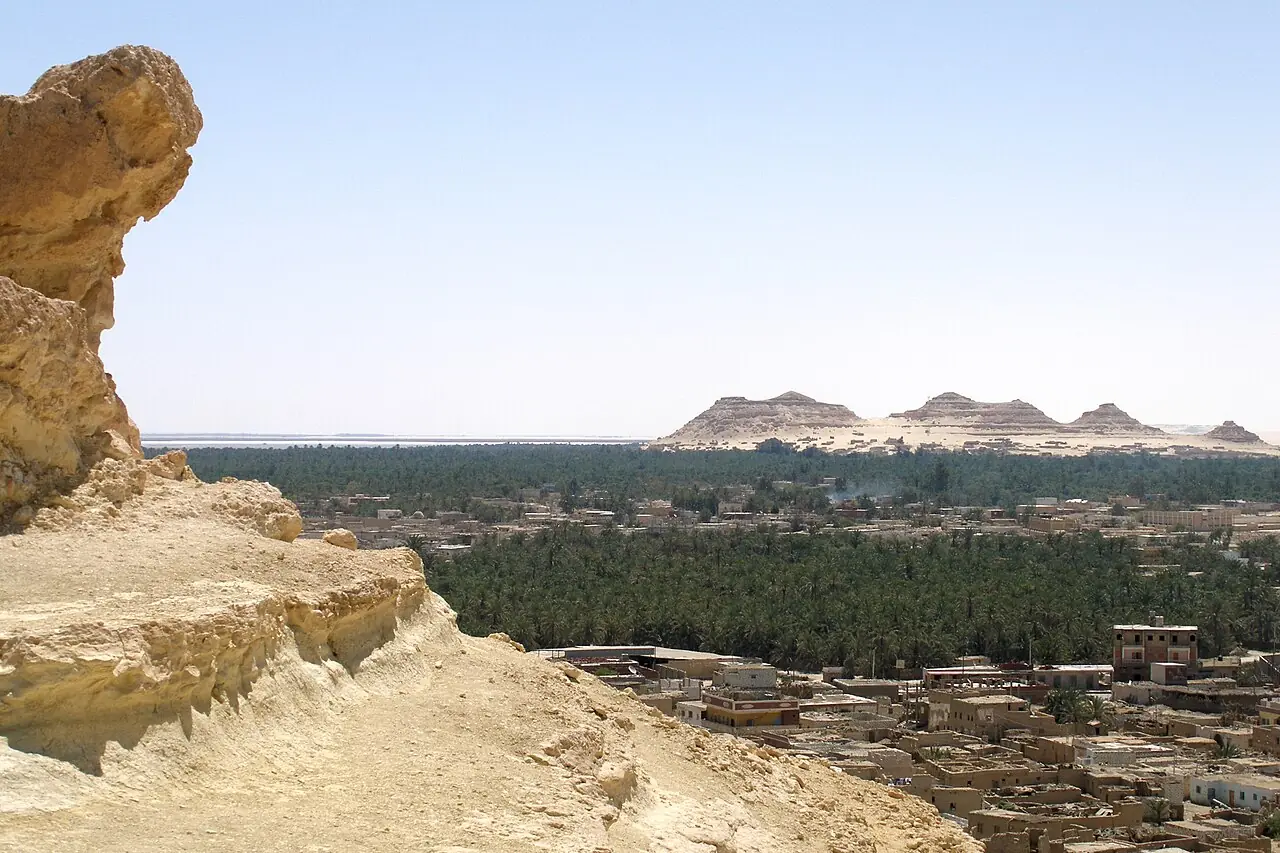 Photo: Vyacheslav Argenberg · CC BY 4.0
Published by Adama Doumbia, founder of Afrique Unie · updated 28 November 2026 · our method and sources
Why go
Lost in the Libyan Desert, about fifty kilometres from the Libyan border, Siwa Oasis is one of the most isolated and distinctive places in Egypt. Its palm and olive groves spread across a depression below sea level, between great turquoise salt lakes and the first dunes of the Great Sand Sea. Its inhabitants, of Amazigh origin, still speak their own language, Siwi, and have kept traditions quite distinct from those of the Nile Valley.
In antiquity, Siwa was home to the oracle of Amun, so renowned that Alexander the Great crossed the desert to consult it; the ruins of the temple still stand on the hill of Aghurmi. In the centre of town, the old fortress of Shali, built of kershef, a mixture of salt and mud, has been slowly dissolving since exceptional rains in the 20th century. Visitors bathe in springs such as the one known as Cleopatra's, float in the salt pools, explore the painted tombs of Gebel al-Mawta and head out by 4x4 into the dunes.
Getting there
Siwa is reached by a paved road of about 300 kilometres across the desert from Marsa Matruh, on the Mediterranean coast, itself a few hours from Alexandria. From Cairo the journey takes a good ten hours; overnight buses run. Police checkpoints line the road and formalities for foreigners can change: check before you set off. Once there, you get around by bicycle, donkey cart or tuk-tuk.
Frequently asked questions
How do you get to Siwa Oasis?
The usual route is via Marsa Matruh, on the Mediterranean coast, followed by about 300 kilometres of tarmac road across the desert. From Cairo, buses, often overnight, make the journey in about ten hours. Siwa also has an airport linked to Cairo, but flights are rare, so check before relying on them.
Is it safe to travel to Siwa?
France places the oasis in a heightened-vigilance zone, with a police presence and frequent checkpoints: you must strictly follow the secured road routes and carry your passport. The UK excludes Siwa town and the road from Marsa Matruh from its warnings, but advises against all but essential travel to the rest of the Western Desert, including the road between Bahariya and Siwa. South of the oasis, a vast desert area is closed to civilians.
Do you need a permit to go into the desert around Siwa?
Yes, trips into the Great Sand Sea require a permit, usually obtained through an approved local organiser. Always go with an experienced driver and a 4x4 in good condition, carrying plenty of water. Be aware that the UK advises against all but essential travel to the Western Desert beyond Siwa town, and that France asks travellers to stick strictly to secured routes; access rules can change, so ask locally.
Can you swim at Siwa?
Yes, in several freshwater springs, such as the so-called Cleopatra's Spring, and in very salty pools where you float effortlessly. As Siwan society is conservative, women often swim clothed in public springs; the pools at eco-lodges offer more privacy. Rinse with fresh water after the salt pools.
What is the best time to visit Siwa?
From October to April, when days are warm but bearable and nights cool, even cold in winter in the desert. From May to September the heat becomes overwhelming, which severely limits trips into the dunes. Bring warm clothes for winter evenings.
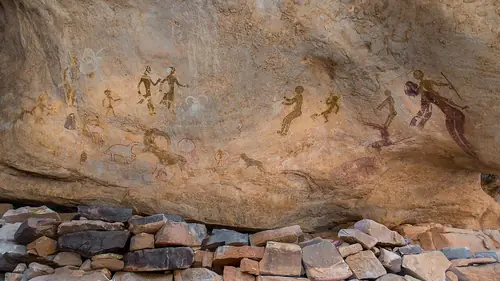
 Algeria

 Morocco
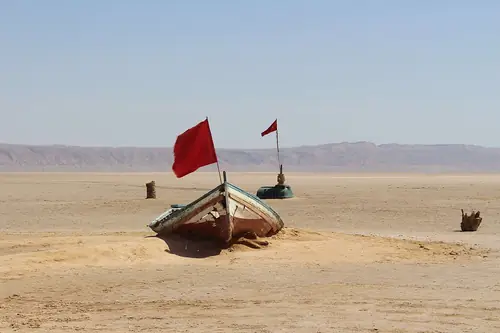
 Tunisia
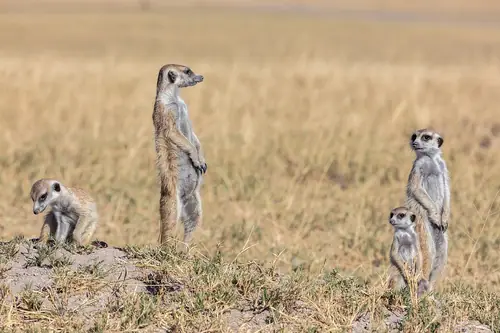
 Botswana