 AfriqueUnie
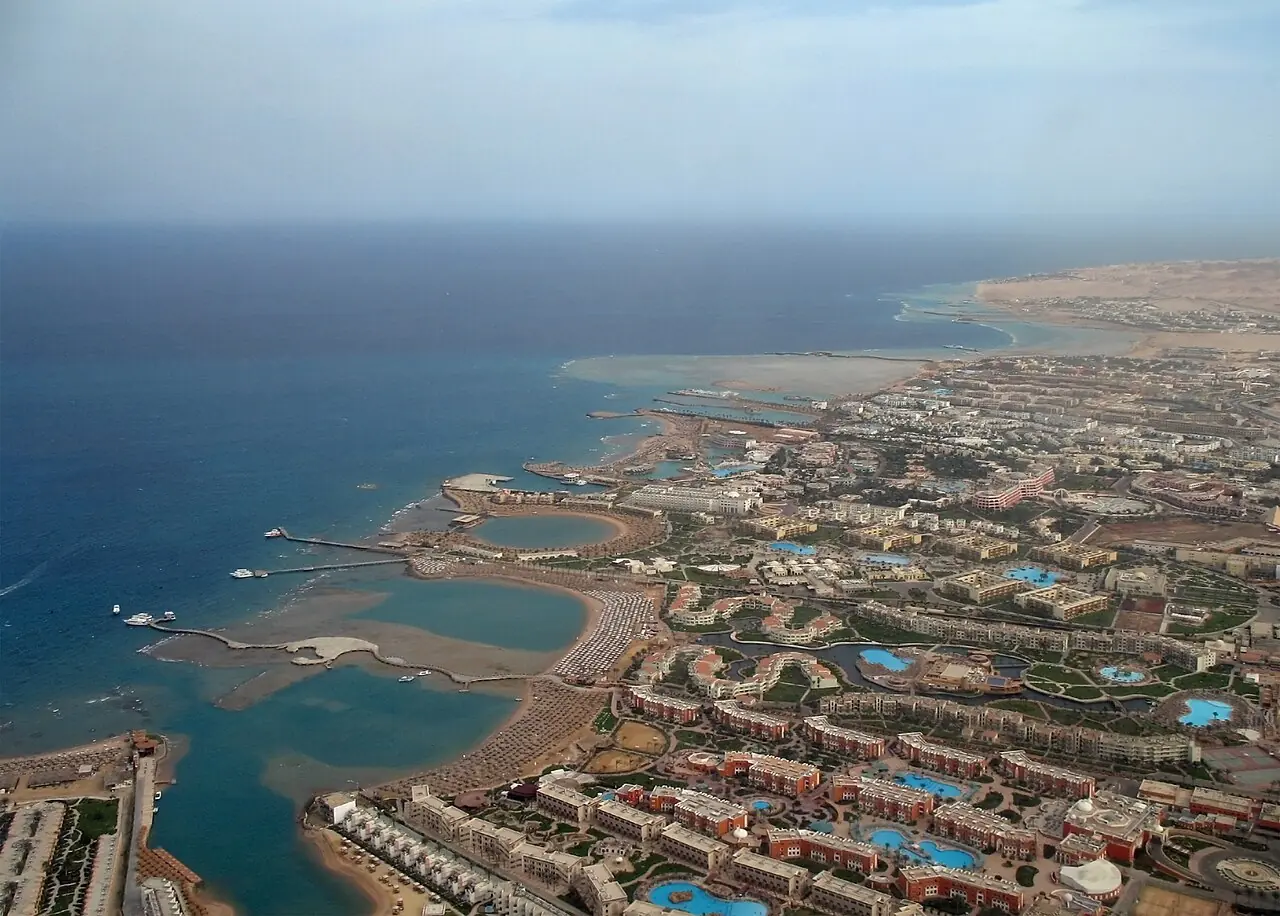 Photo: Marc Ryckaert · CC BY 3.0
Published by Adama Doumbia, founder of Afrique Unie · updated 28 November 2026 · our method and sources
Why go
Egypt's Red Sea is a world-renowned diving destination. Its warm, clear waters shelter coral reefs of great richness, home to parrotfish, clownfish, rays, turtles and sometimes dolphins. The seabed drops away sharply along the reef walls, so you can see a living reef a few metres from the shore with just a mask and snorkel.
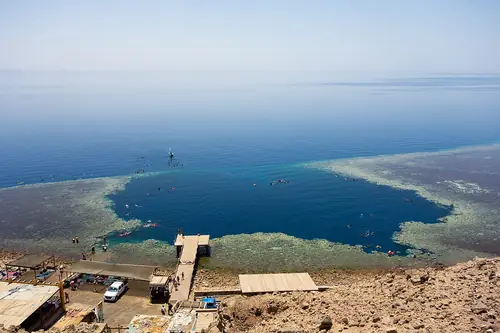
On the Sinai Peninsula, Sharm El Sheikh gives access to Ras Mohammed National Park and the Straits of Tiran, legendary dive sites, as well as the wreck of the Thistlegorm, a British cargo ship sunk in 1941. Dahab, more bohemian, is known for its Blue Hole. On the African coast, Hurghada, El Gouna and, further south, the wilder Marsa Alam offer less crowded reefs and the chance to meet dugongs.
Getting there
Hurghada, Sharm El Sheikh and Marsa Alam have international airports, with many direct flights from Europe as well as domestic flights from Cairo. Hurghada is about four hours' drive from Luxor. Travellers are formally advised not to visit northern Sinai: check your government's official travel advice on safe routes between the resorts.
Frequently asked questions
Do you need a visa for a holiday in Sharm el-Sheikh or Hurghada?
For Hurghada, yes; for Sharm el-Sheikh, not necessarily. A visa is normally required to enter Egypt, available online or, for many nationalities, on arrival. Travellers flying into Sharm el-Sheikh and staying less than 15 days in the resorts of Sharm el-Sheikh, Dahab, Nuweiba or Taba get a free entry stamp at the airport, limited to those resorts, without a visa. To travel beyond them, for example to Hurghada, Cairo or Luxor, or to stay longer than 15 days, you need a standard visa.
Is it safe to stay on the Red Sea coast?
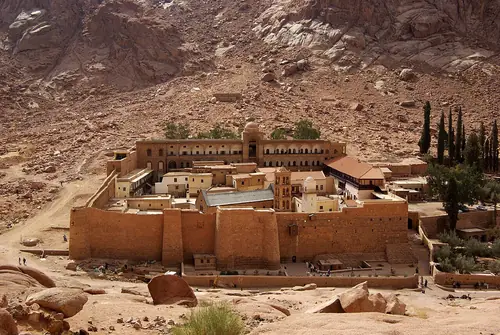
The Red Sea resorts are visited without particular restrictions: the UK considers the risk generally low in the southern Sinai resorts, and security forces routinely check vehicles and airports around Sharm el-Sheikh, Hurghada and Marsa Alam. North Sinai, north of a line between Suez and Taba, is however strongly advised against by France, and the UK also advises against all but essential travel to inland South Sinai north of the St Catherine-Nuweiba road, except for the coastal areas. In South Sinai, France recommends staying in secured hotels and not making the journey between St Catherine's Monastery and the coast at night.
Which Red Sea resort should you choose?
Sharm el-Sheikh is ideal for diving at Ras Mohammed and in the Strait of Tiran. Dahab, more laid-back, is great for shore diving and snorkelling. Hurghada and El Gouna offer a wide choice of boat trips, while Marsa Alam, further south, appeals for its quieter reefs and the chance of meeting dugongs.
Can you dive the Blue Hole in Dahab?
Yes, the rim of the Blue Hole is easy to explore with a mask and snorkel or on a dive within recreational depths. However, the arch that opens out to sea lies well beyond recreational diving limits and has claimed the lives of many divers. Stay within your certification limits and dive with an approved centre.
How can you dive safely in the Red Sea?
Choose a certified dive centre and check that the boat is insured, as safety standards vary widely. Take out dive insurance as well as medical and repatriation cover, and never go deeper than your policy allows. Decompression chambers are available notably in Hurghada, Sharm el-Sheikh, Dahab and Marsa Alam; the Red Sea is also home to sharks, some of them dangerous species, and attacks, though rare, do happen.
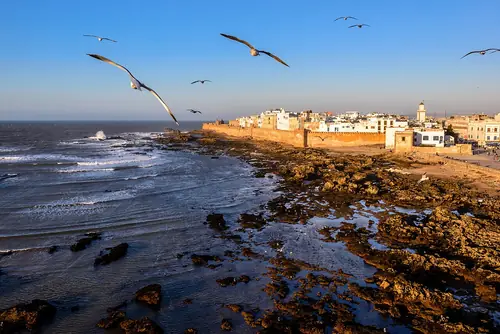
 Morocco
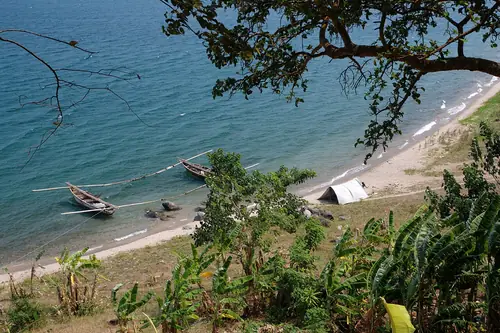
 Burundi
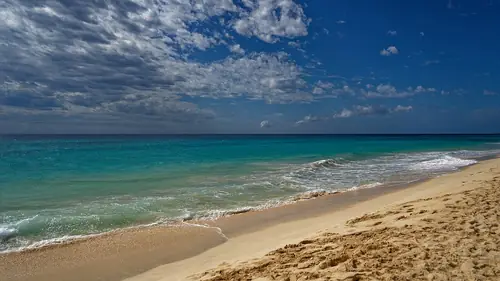
 Cape Verde
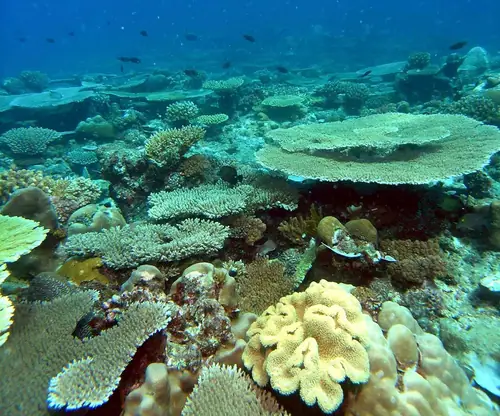
 Comoros