AfriqueUnie
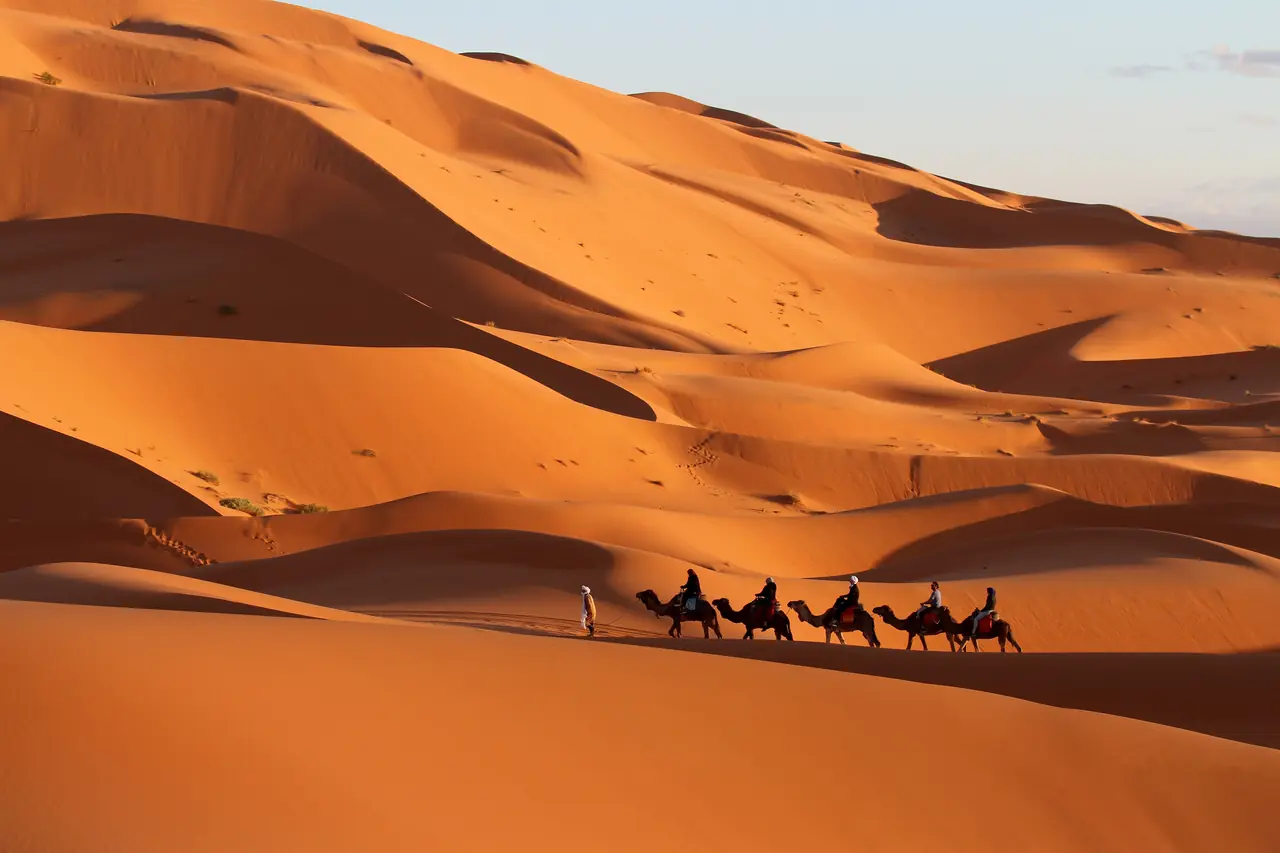 Photo: Merzougaloisirs · CC BY-SA 4.0
Published by Adama Doumbia, founder of Afrique Unie · updated 28 November 2026 · our method and sources
April is the great spring month in North Africa. In Morocco and Tunisia temperatures are mild, the countryside is still green and the ancient sites, from Carthage to the Amphitheatre of El Jem, are pleasant to visit. In Egypt the heat starts to build in the south, but Cairo and the Red Sea remain comfortable. With the Easter holidays, demand rises and flights to the Maghreb fill up quickly. In Tunisia, April is also a good month for Djerba and the southern oases, still spared from the heat.
Further south, April brings the long rains to East Africa. In Kenya, Tanzania and Rwanda, showers become frequent, some tracks are difficult and a number of coastal places close until June. In West Africa the first rains return to the Gulf of Guinea coast, while Senegal, the Gambia and Cape Verde stay dry. Inland, in the Sahel, this is often the hottest time of the year. In Ghana and Côte d'Ivoire the showers are often brief at the start of the season, but humidity rises noticeably.
In the Indian Ocean the cyclone season comes to an end. Madagascar emerges from the rains with very green landscapes, and the Seychelles enter one of their two best periods: between two wind patterns, the sea is often calm and clear, which is ideal for diving and snorkelling. In South Africa, late April brings AfrikaBurn, a pop-up city of art in the Tankwa Karoo desert, but the country is between seasons, ahead of the dry winter that is better for safaris. Southern Africa's dry-season safaris are only a few weeks away.
 Morocco
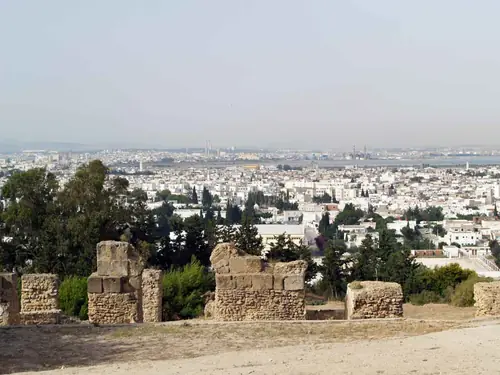
 Tunisia
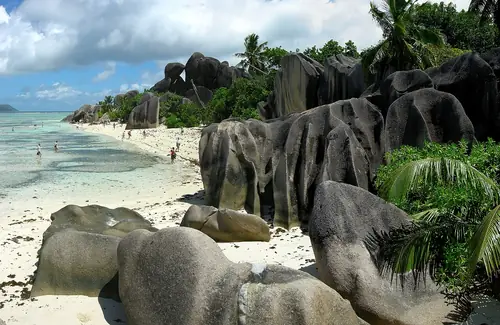
 Seychelles
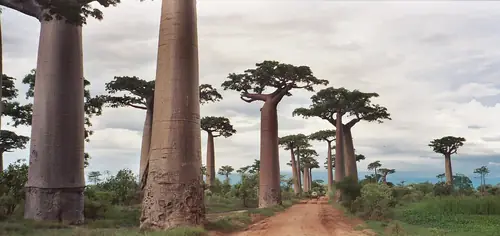
 Madagascar
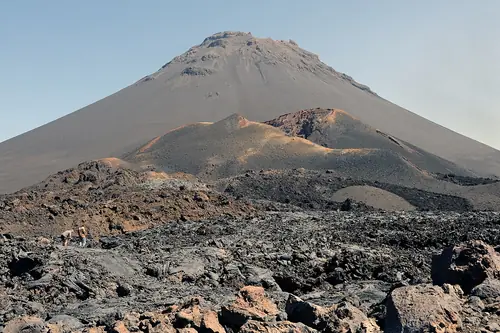
 Cape Verde
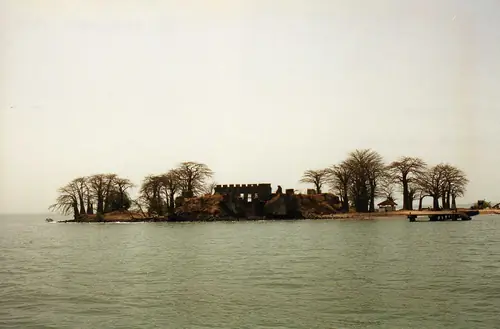
 The Gambia
 Kenya
 Tanzania
 Côte d'Ivoire
 South Africa