AfriqueUnie
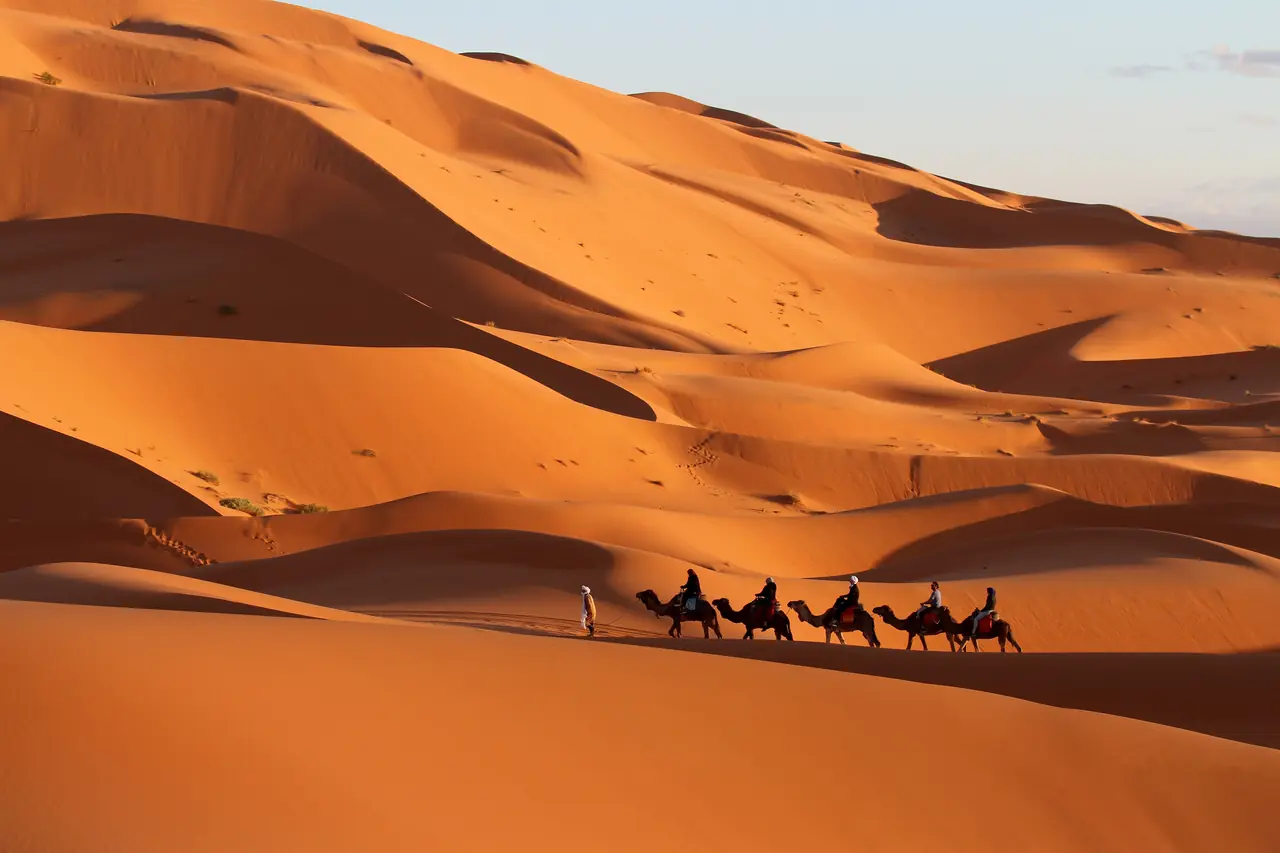 Photo: Merzougaloisirs · CC BY-SA 4.0
Published by Adama Doumbia, founder of Afrique Unie · updated 28 November 2026 · our method and sources
March is a month of transition. In North Africa spring sets in: days are mild in Morocco, the Atlas Mountains turn green and Egypt offers its last truly comfortable weeks before temperatures climb. Ramadan, whose dates move about eleven days earlier each year, can fall in March: daily life then changes pace, with quieter days and lively evenings. In Morocco it is a fine month for hiking in the Atlas, although snow may still cover the highest peaks, such as Toubkal.
In West Africa the dry season continues on the coast, but heat builds strongly inland, especially in the Sahel. The coastline remains pleasant, from Senegal to Sierra Leone by way of Guinea-Bissau, where the Bissagos Islands are explored by boat. In East Africa the short dry season comes to an end and the long rains usually arrive between late March and April in Kenya and Tanzania: early March can still work well, but the end of the month becomes uncertain. In Senegal the air stays dry and the Atlantic breeze tempers the heat in Dakar and along the Petite Côte.
In the south of the continent, the southern summer is ending. Cape Town and its vineyards still enjoy fine days, and the mountains of Lesotho are green and accessible. The interior of southern Africa is slowly emerging from the rainy season, while Madagascar, Mauritius and the Mozambique Channel remain exposed to cyclones. As for events, the Cape Town International Jazz Festival is usually held between late March and early April, and the Mindelo Carnival can still fall in early March. With fewer visitors than in February, it is also a good time to find availability.

 Morocco

 South Africa
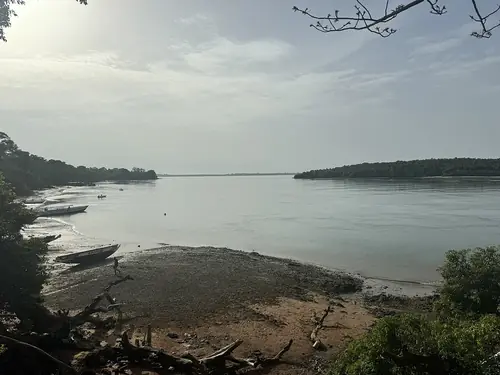
 Guinea-Bissau
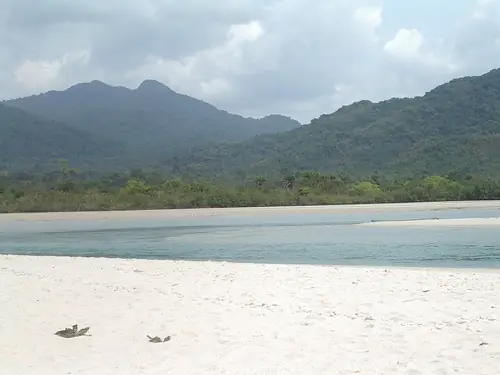
 Sierra Leone
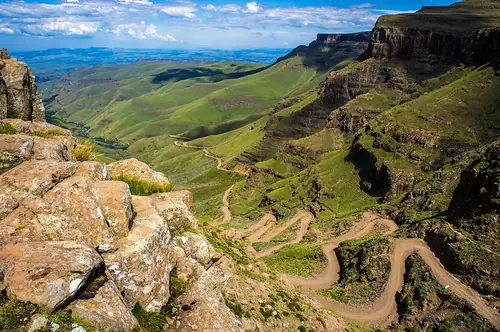
 Lesotho
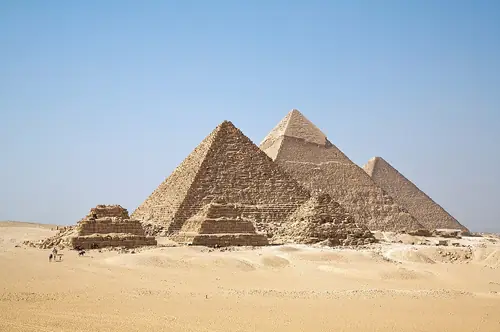
 Egypt
 Mauritius
 Zambia
 Tanzania
 Kenya