AfriqueUnie
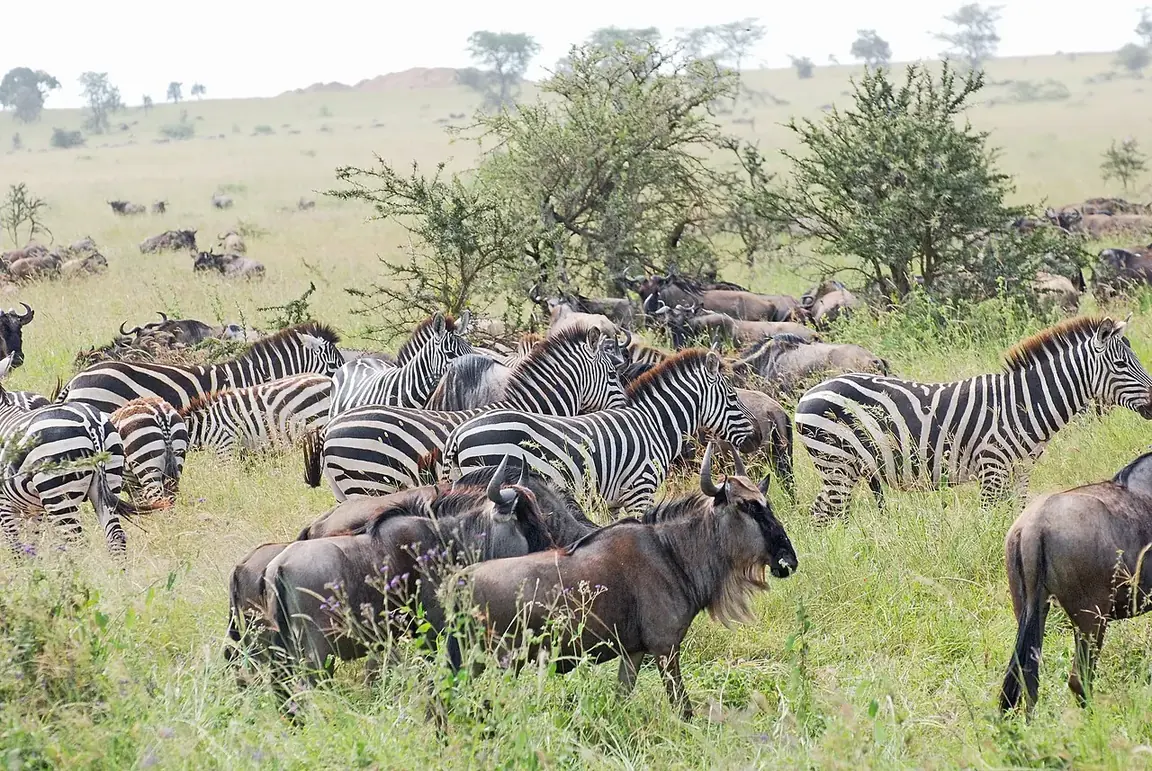 Photo: Harvey Barrison from Massapequa, NY, USA · CC BY-SA 2.0
Published by Adama Doumbia, founder of Afrique Unie · updated 28 November 2026 · our method and sources
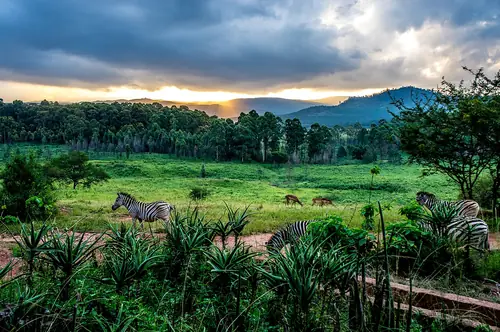
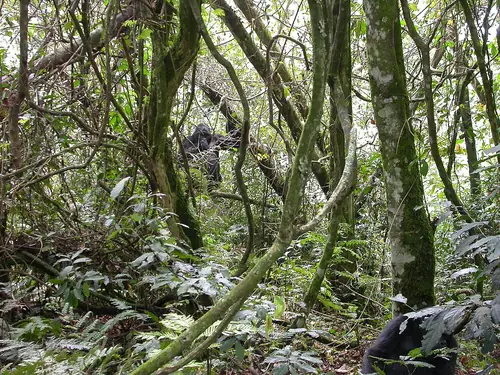
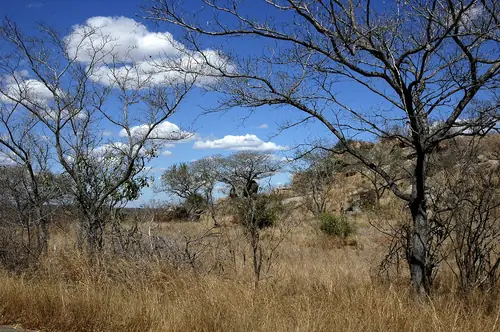
June marks the start of the long dry season across much of East and southern Africa. In Tanzania the rains have usually stopped and the great Serengeti herds begin moving north; in Rwanda and Uganda the gorilla trails gradually dry out. In South Africa, Zambia, Zimbabwe and Botswana it is the southern winter: mild, sunny days, cold nights and thinning vegetation, which makes wildlife easier to spot. In Kenya the tracks dry out and the good season resumes, although the great herds usually reach the Maasai Mara only in July.
In the north of the continent, summer sets in. The heat becomes intense in southern Egypt and the Sahara, while the Mediterranean coast and Morocco's Atlantic coast remain bearable. This is the month of several major Moroccan festivals: the Gnaoua World Music Festival in Essaouira and Mawazine in Rabat, usually in June. In West Africa the rainy season settles over the Gulf of Guinea coast, and the first showers reach the Sahel at the end of the month. In Senegal and the Gambia the dry season is ending and the heat becomes oppressive.
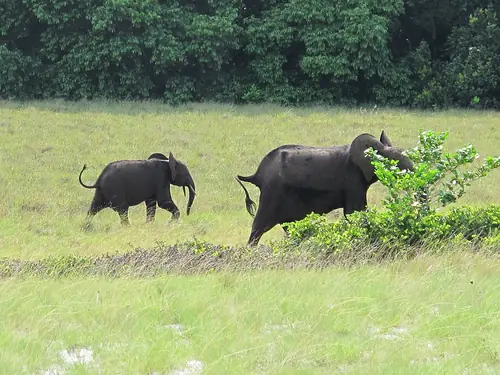
In Central Africa, June opens the dry season in Gabon, the Republic of the Congo and São Tomé and Príncipe, a good time to discover their forests and coastlines. In the Indian Ocean, Madagascar, Mauritius and the Comoros enjoy dry, cooler weather. School summer holidays have not yet begun in most of Europe, so June often offers a little more availability and lower prices than July and August on the most sought-after safaris. Cape Town, by contrast, enters its cool, wet winter.
 Tanzania
 Rwanda
 Uganda
 South Africa
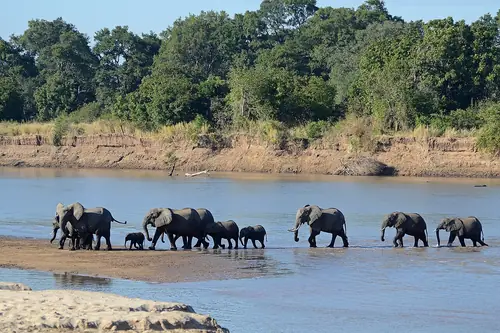
 Zambia
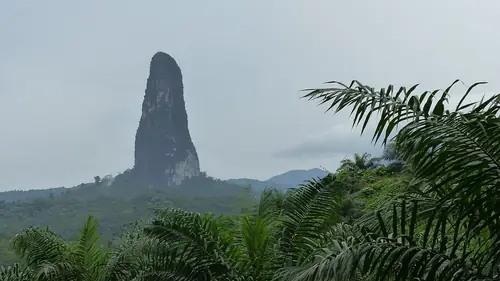
 São Tomé and Príncipe
 Egypt
 Ghana
 Morocco