AfriqueUnie
 Photo: Ricardo Liberato · CC BY-SA 2.0
Published by Adama Doumbia, founder of Afrique Unie · updated 28 November 2026 · our method and sources
October is the end of the dry season in southern Africa. In Zambia, Zimbabwe and Botswana the heat rises noticeably, waterholes become scarce and animals gather around them in large numbers: an outstanding time for wildlife viewing, provided you can cope with high temperatures in the middle of the day. At Victoria Falls the Zambezi is low: the Zambian side can be partly dry, while the Zimbabwean side remains more spectacular. In Botswana, Chobe National Park sees huge concentrations of elephants along the river at this time.
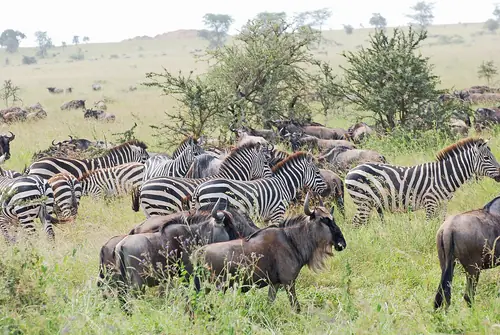
In the north of the continent, autumn brings comfortable temperatures back. Egypt reopens its high season, with another Sun Festival at Abu Simbel on 22 October, and Morocco offers mild days, cool nights and the return of desert tours. In East Africa the dry season continues in Kenya and Tanzania, ahead of the short rains in November. In West Africa the rainy season ends in the Sahel, but the heat is still strong and the tracks are still damaged. In Tanzania, the northern Serengeti may still hold some of the herds early in the month.
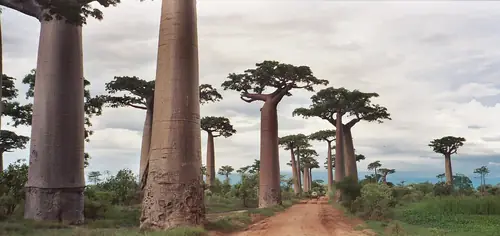
In Central Africa, Gabon and Cameroon enter a very wet period. In the Indian Ocean, the Seychelles enjoy another calm shoulder season, ideal for diving, and Madagascar reaches the end of its dry season. October half-term is a good opportunity for Morocco, Egypt or the Indian Ocean. On the music front, Felabration pays tribute to Fela Kuti in Lagos every October. In Lesotho, spring makes the highlands more welcoming for hiking, and the calm seas of the Seychelles suit sailing between the islands.
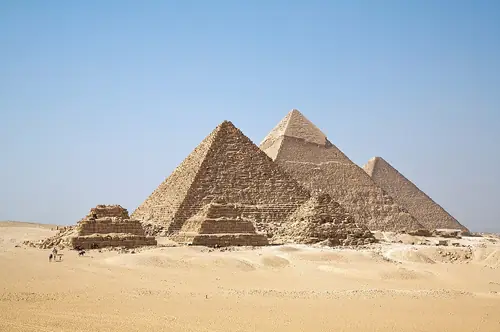
 Egypt
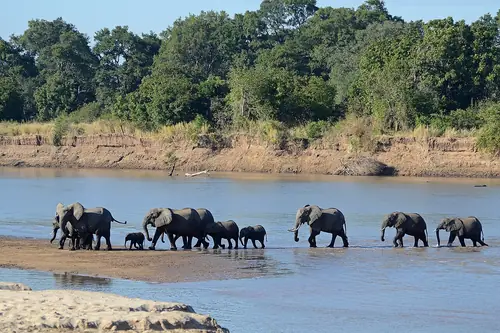
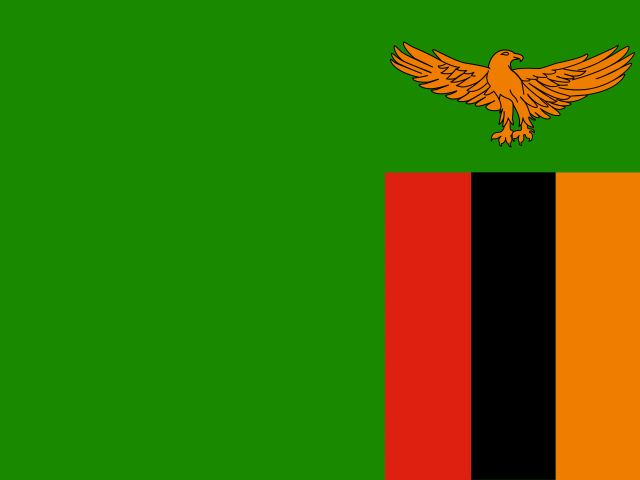 Zambia

 Morocco
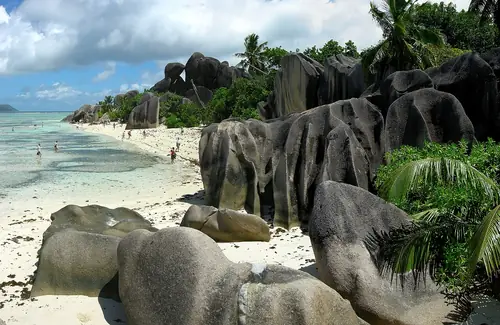
 Seychelles
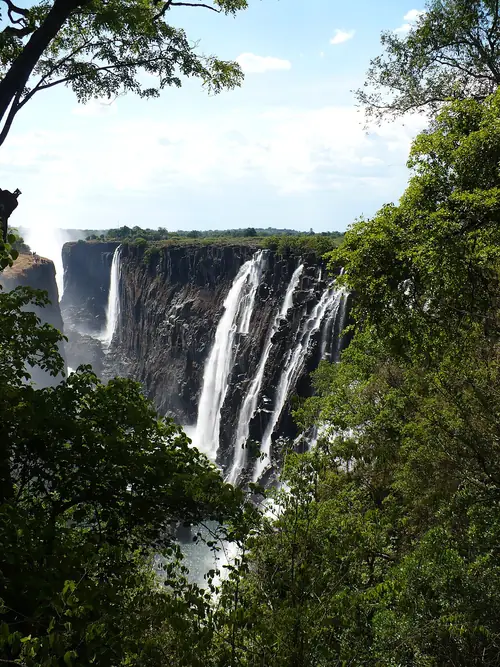
 Zimbabwe
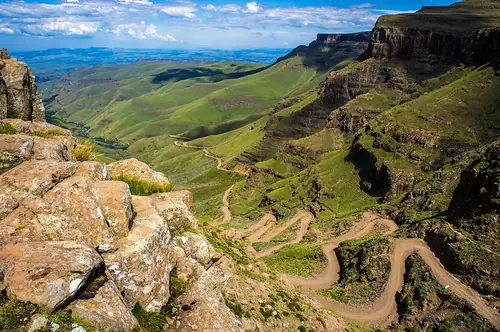
 Lesotho
 Gabon
 Cameroon
 Nigeria
 Côte d'Ivoire
 South Africa