AfriqueUnie
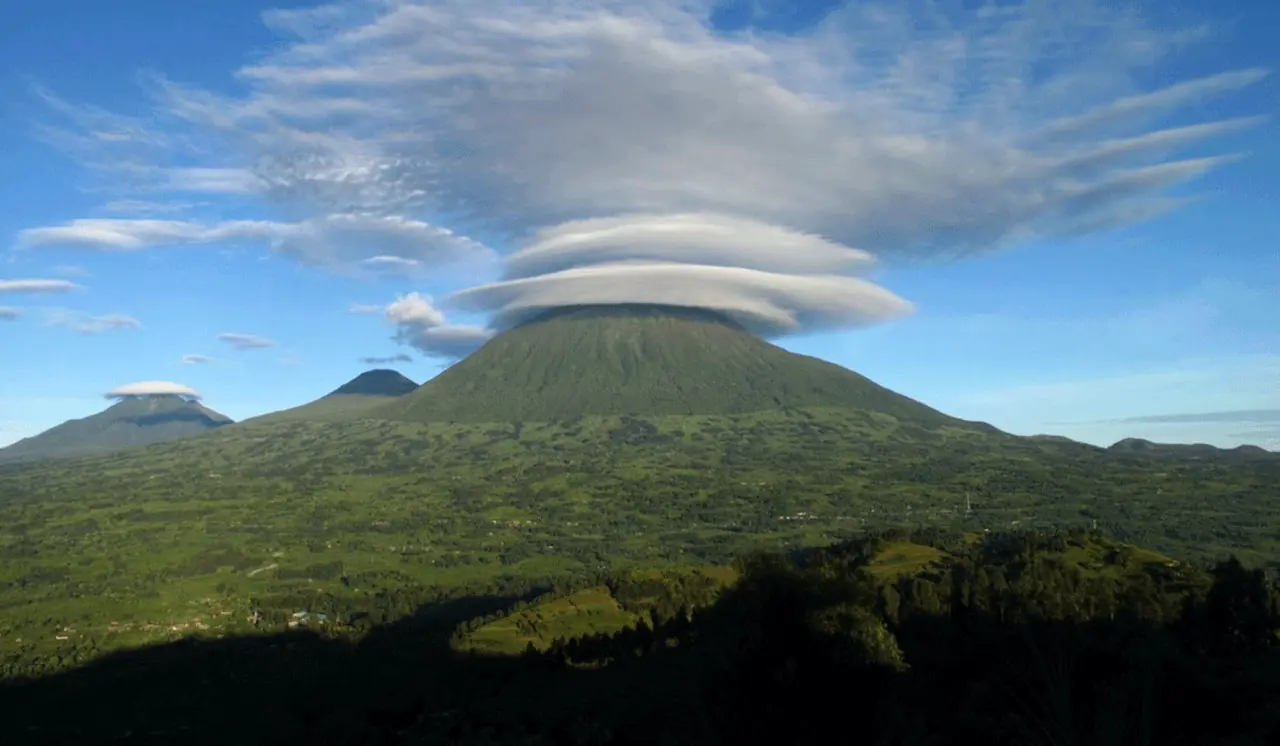 Photo: Volcanoes National Park · CC BY-SA 4.0
Published by Adama Doumbia, founder of Afrique Unie · updated 28 November 2026 · our method and sources
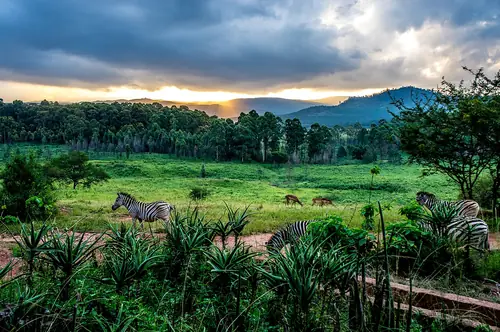
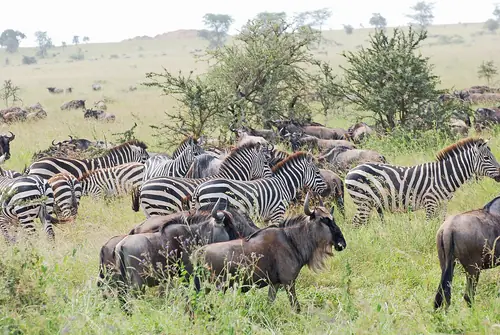
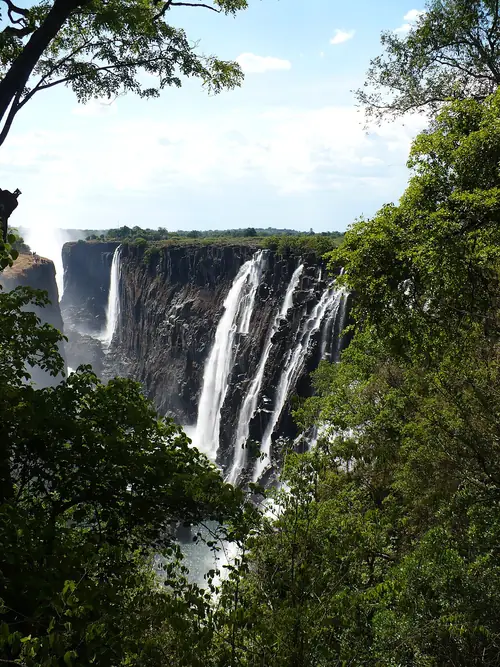
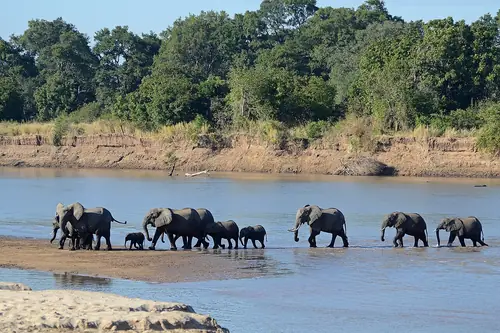
September is often seen as one of the best months of the year to travel in Africa. The dry season continues in East and southern Africa, but the summer crowds thin out once European schools go back. In Kenya, the herds of the Great Migration are usually still in the Maasai Mara, and Mara River crossings remain possible. In Zambia, Zimbabwe and Botswana, vegetation is sparse and wildlife is highly concentrated around water, which makes for particularly rewarding safaris. In Tanzania, the northern Serengeti is also a good option, often less crowded than the Maasai Mara.
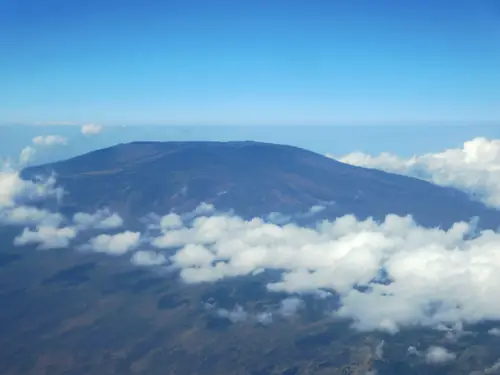
In the north of the continent, the worst of the heat gradually eases. Morocco and Tunisia return to pleasant temperatures on the coast and in the cities, while the interior and the desert remain hot early in the month. In West Africa the rainy season lingers, often into October, in Senegal, the Gambia and across the Sahel. In the Indian Ocean, Madagascar, Mauritius and the Comoros enjoy dry, sunny weather, with temperatures slowly rising. In Madagascar, whale season usually continues into September around Île Sainte-Marie.
September is also rich in ceremonies. In Rwanda, Kwita Izina, the naming of the baby gorillas born during the year, is usually held in Kinigi, at the foot of the volcanoes. In Ethiopia, Meskel, the Finding of the True Cross, lights up Addis Ababa with great bonfires in late September, just after the rainy season. In Eswatini, Umhlanga may still take place in early September, depending on the year. These celebrations draw large crowds, so book accommodation early if you want to attend.
 Rwanda

 Kenya

 Morocco
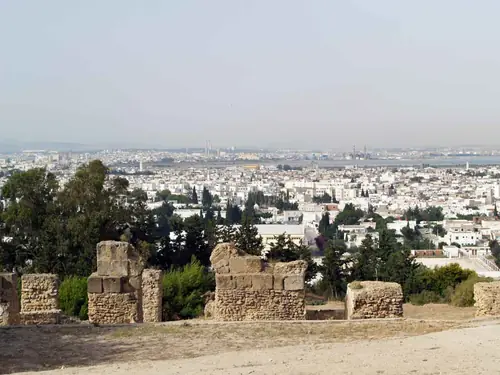
 Tunisia
 Zambia
 Comoros
 Senegal
 The Gambia
 Ethiopia
 Chad