AfriqueUnie
 Photo: Manu25 · CC BY-SA 4.0
Published by Adama Doumbia, founder of Afrique Unie · updated 28 November 2026 · our method and sources
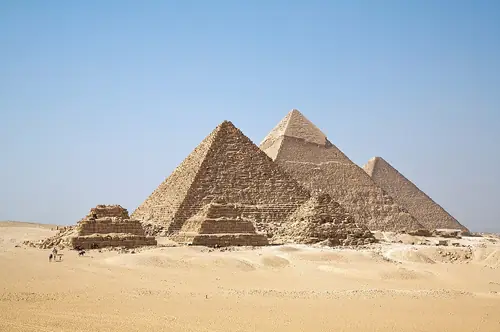
November opens the dry season in West Africa. From Senegal to the Gulf of Guinea the rains stop, the vegetation is still green and the heat is bearable: it is one of the most pleasant months to discover the region, before the harmattan and its dust arrive in December. In the north, Egypt and Morocco are in full season, with mild days and nights that turn noticeably cold in the desert. In Egypt it is the ideal time to combine Cairo, Luxor and Aswan with a few days on the Red Sea.
In East Africa the short rains usually reach Kenya and Tanzania, often as brief showers late in the day. Safaris are still possible, with landscapes turning green again and fewer visitors. In southern Africa summer begins: the first rains fall in Zambia, Zimbabwe and Botswana, and many animals give birth. The Cape Town area enters its dry, hot season, while the interior becomes heavy and stormy. In Rwanda and Uganda the end-of-year rains make the gorilla trails more slippery, without stopping the treks.
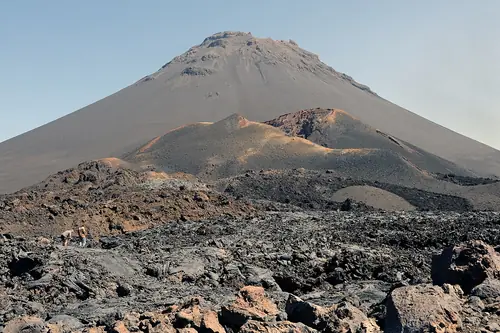
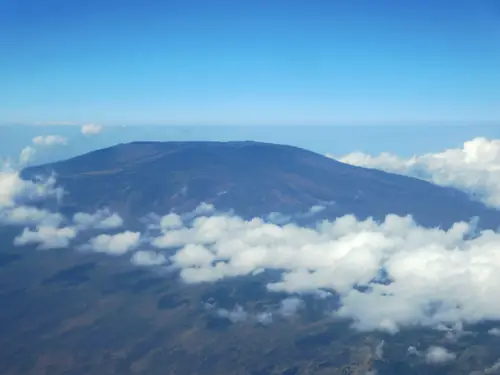
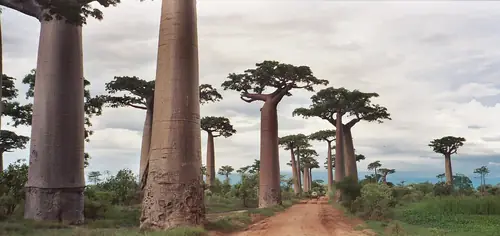
In the Horn of Africa, November usually marks the start of the whale shark season in the Gulf of Tadjoura, in Djibouti, which often lasts until February. Madagascar enjoys the last weeks of its dry season before the December rains. On the festival front, Nyege Nyege brings fans of electronic and alternative music to Jinja, in Uganda, on the banks of the Nile in November. Finally, November is a quiet month in Europe, ideal for travelling at lower prices. In Cape Verde, dry weather and a still-warm sea draw the first winter holidaymakers.
 Senegal
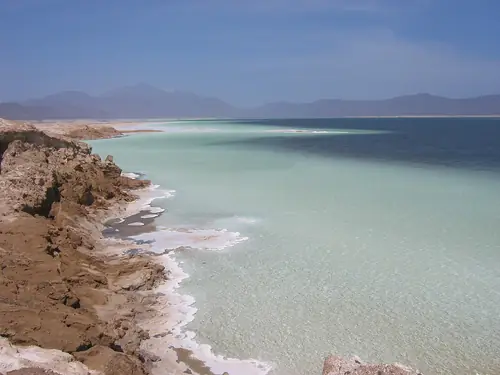
 Djibouti
 Ghana
 Madagascar
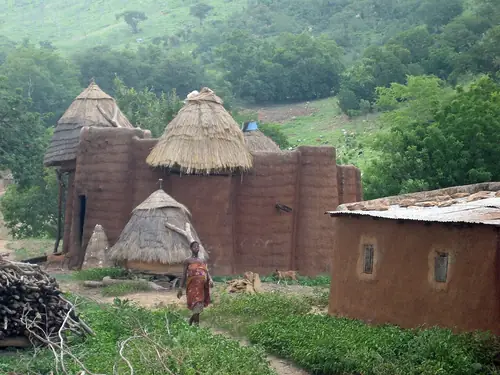
 Togo
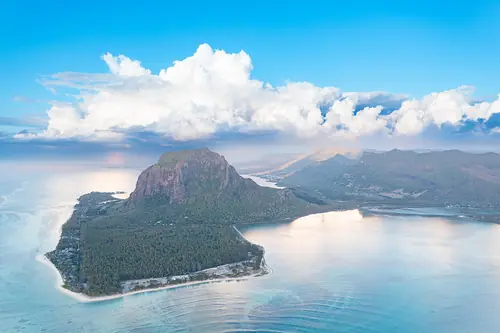
 Mauritius
 Zambia
 Gabon
 Kenya
 Uganda