AfriqueUnie
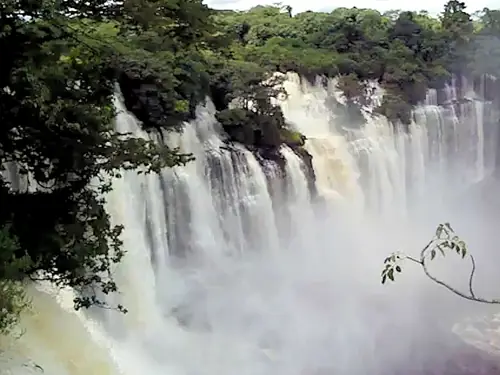
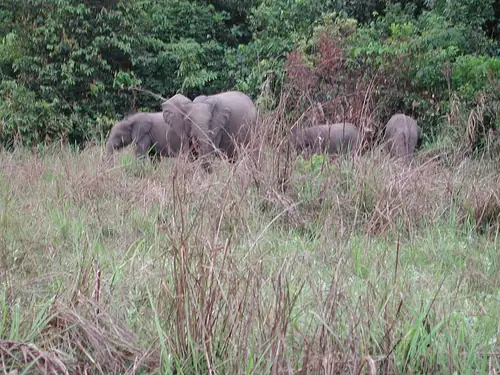
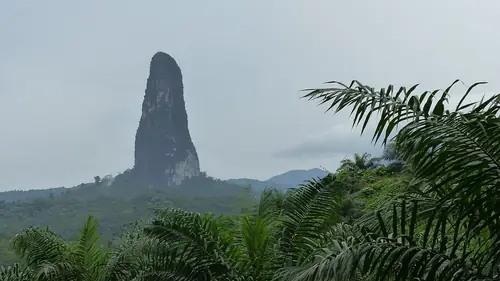
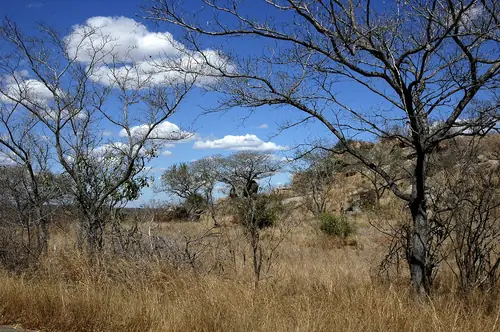
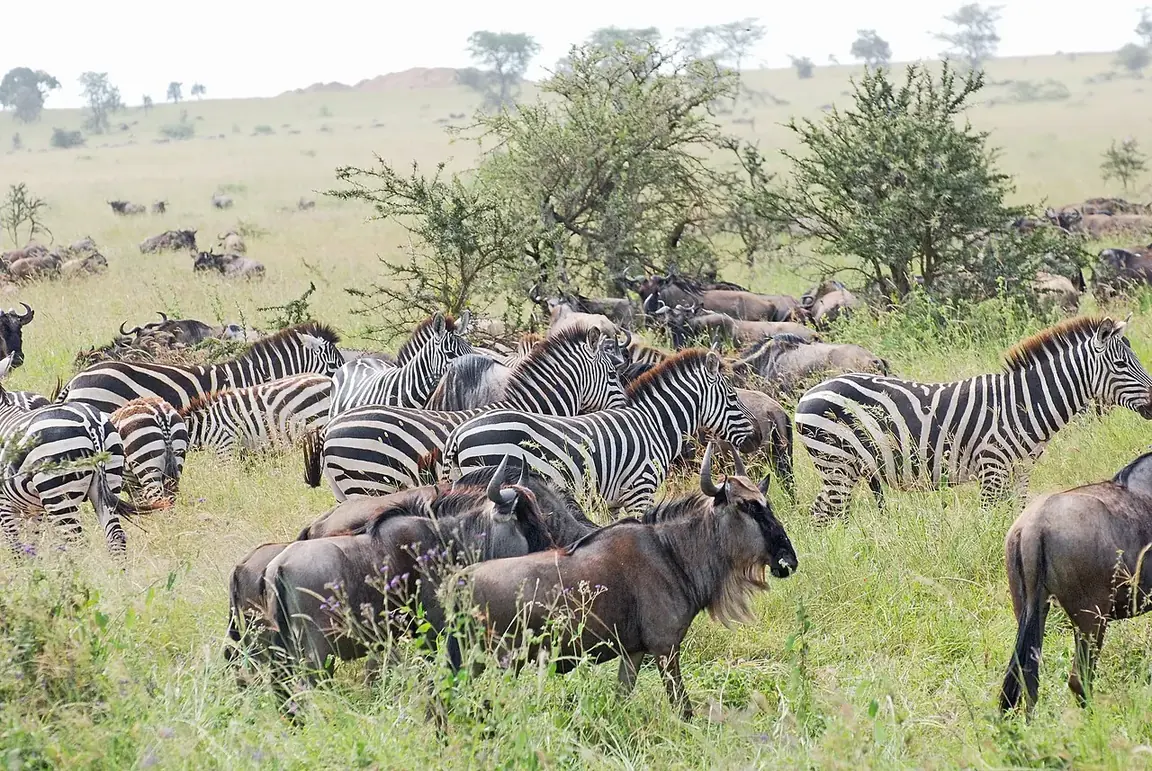 Photo: Harvey Barrison from Massapequa, NY, USA · CC BY-SA 2.0
Published by Adama Doumbia, founder of Afrique Unie · updated 28 November 2026 · our method and sources
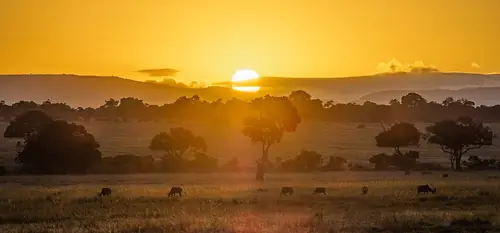
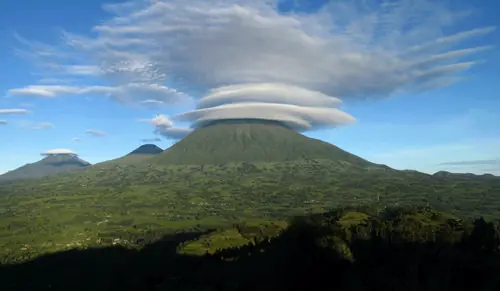
August extends the peak safari season. In East Africa the dry season is in full swing: the great herds are usually between the northern Serengeti, in Tanzania, and the Maasai Mara, in Kenya, and the Mara River crossings draw many vehicles. In Uganda and Rwanda, conditions are good for gorillas and chimpanzees. In southern Africa winter is drawing to a close: days are warming up, vegetation is sparse and wildlife gathers around the last waterholes. In Rwanda, the dry weather also makes the chimpanzee trails of Nyungwe Forest easier going.
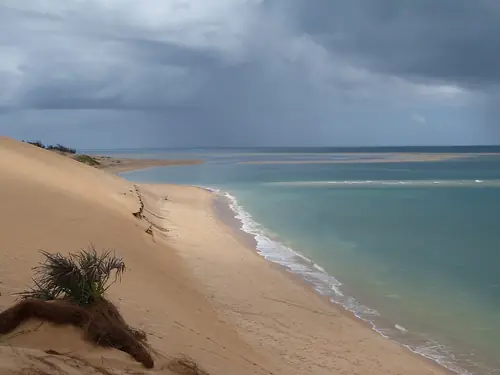
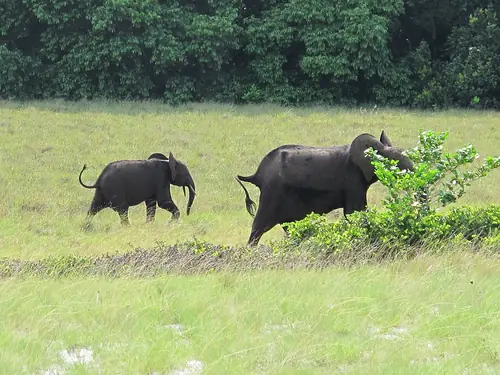
Along the Indian Ocean and Atlantic coasts, the southern winter is also humpback whale season, with sightings usually off southern Mozambique, Madagascar and Gabon. In Central Africa the dry season continues in Gabon and the Republic of the Congo. West Africa, on the other hand, is in the heart of the rainy season: Guinea and Sierra Leone receive some of the heaviest rainfall on the continent, and the heat remains overwhelming in the Sahara and southern Egypt. Morocco's Atlantic coast, from Rabat to Essaouira, remains a pleasant exception in North Africa, cooled by the ocean breeze.
On the cultural side, Chale Wote turns the Jamestown district of Accra into an open-air gallery in August, and Umhlanga, the Reed Dance, brings tens of thousands of young women to Lobamba, in Eswatini, in late August or early September. August is the busiest month of the European holidays: the most famous parks are crowded and prices are at their highest. For a quieter trip, consider lesser-known parks or private conservancies. Booking early remains the best way to secure a place.
 Tanzania
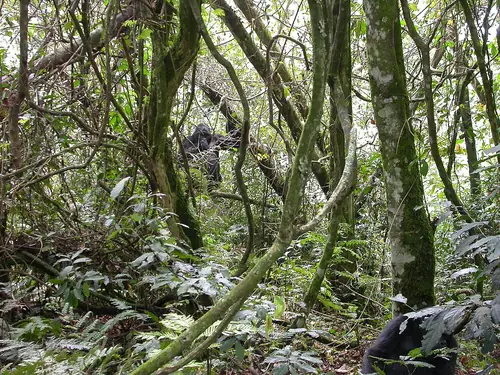
 Uganda
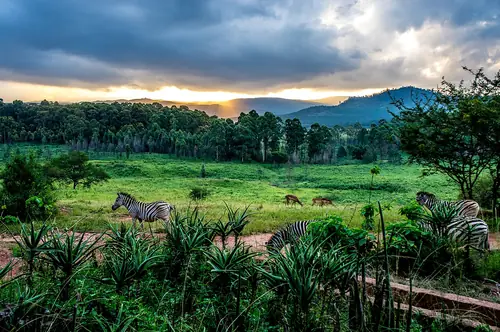
 Eswatini
 Mozambique
 Gabon
 South Africa
 Guinea
 Sierra Leone
 Ghana
 Cape Verde